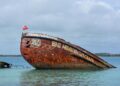
In a remarkable tale of survival, five individuals were rescued after spending months adrift in a small boat, their ordeal culminating on the distant shores of Kiribati, an island nation in the central Pacific. The group, which had faced harrowing conditions and dwindling supplies, was located by local fishermen who alerted authorities after spotting the vessel near one of the remote islands. The rescue operation not only highlights the challenges of maritime navigation in the vast pacific but also underscores the resilience of the human spirit in the face of adversity.as more details emerge regarding their harrowing journey, this incident raises critical questions about safety at sea and the resources available for those who venture into the open water.
Rescue Operation Highlights Challenges of Maritime Survival in Remote Waters
the recent rescue of five individuals after months adrift in the vast expanse of the Pacific Ocean underscores the perilous conditions faced by those who find themselves lost at sea. Stranded in a small boat,these survivors battled the relentless forces of nature,including extreme weather fluctuations and a scarcity of food and fresh water. Their harrowing experience highlights several critical challenges that accompany maritime survival, notably in remote waters:
- Limited Resources: Survivors must often contend wiht dwindling supplies and inadequate provisions, leading to desperation and difficult choices.
- Navigation Difficulties: In remote locations, the absence of landmarks and technological aids can severely hamper attempts to find a way back to safety.
- Psychological Strain: The toll of isolation and uncertainty can wreak havoc on mental health, testing survival instincts and resilience.
- Environmental Hazards: Encounters with unpredictable weather,risky marine wildlife,and lack of shelter exacerbate the risks faced by those adrift.
This incident was a stark reminder of the vulnerabilities inherent in maritime travel and the urgency of effective search and rescue operations. The triumphant recovery of the five survivors was made possible through coordinated efforts involving local fishermen and government agencies,showcasing the importance of community involvement in emergency responses.Their safe return not only marks the conclusion of a gripping survival tale but also prompts discussions on enhancing maritime safety protocols to prevent such tragedies from occurring in the future.
Lessons Learned from the Harrowing Experience of Adrift Survivors
The ordeal faced by the five individuals rescued from a small boat in Kiribati serves as a stark reminder of the fragility of human life at sea and the resilience required to endure such harrowing circumstances. Their survival story highlights several critical lessons that can inform future maritime adventures and searches. First, readiness is paramount; adequate provisioning of food, water, and safety equipment can greatly enhance chances of survival. moreover, the importance of navigational skills cannot be overstated, as being able to read the stars or utilize emergency tools might mean the difference between hope and despair when lost at sea.
The psychological impacts of being adrift underline the necessity of mental fortitude and emotional resilience. Survivors frequently enough report that maintaining a sense of purpose-whether it was fishing for sustenance or rationing supplies-was crucial to their survival. The collective human spirit, showcased through shared experiences and the bolstering of communal bonds, also plays a vital role in overcoming extreme adversity. This experience also calls for improved search and rescue protocols that can ensure quicker response times in future maritime crises. By learning from these survivors, we can aim to better equip and prepare those venturing into the vast and unpredictable ocean.
International Collaboration Crucial for Enhancing Search and Rescue Capabilities in Isolated Regions
the recent rescue of five individuals after months adrift in the vast expanse of the Pacific Ocean underscores the urgent need for enhanced search and rescue operations in remote regions. This incident not only emphasizes the unpredictability of maritime travel but also highlights the importance of solidifying international partnerships to bolster rescue efforts. Kiribati, an island nation with scattered atolls, faces unique challenges due to its geographical isolation, making it imperative that neighboring countries and international organizations work collaboratively to improve response strategies in emergency situations.
International collaboration can significantly improve capabilities through shared resources,training,and intelligence. By working together, nations can create a more thorough system for:
- Rapid deployment of rescue teams: Coordinated efforts can ensure that specialized teams reach those in distress more efficiently.
- Shared technology and equipment: Access to advanced search and rescue technology can be pooled among nations to enhance operational effectiveness.
- Training programs: Joint training initiatives can prepare personnel for the unique challenges posed by isolated maritime environments.
Key Takeaways
the remarkable rescue of five individuals after enduring months adrift in the vast expanse of the Pacific Ocean serves as a testament to human resilience and the vital role of international search and rescue operations. as these survivors begin their recovery on the shores of Kiribati, their harrowing experience sheds light on the perils faced by those at sea and the indispensable efforts of maritime authorities in responding to emergencies. The story not only highlights the desperate conditions these individuals faced but also the spirit of hope and the unyielding quest for survival against overwhelming odds. As communities and nations alike reflect on this incident, it serves as a poignant reminder of the fragility of life at sea and the enduring strength of the human spirit.