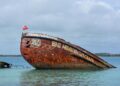
In an era marked by climate change and rising sea levels,the unlikely connection between Ireland and Tuvalu,a small Pacific island nation,is capturing international attention. Eamon Ryan, Ireland’s Minister for the Environment, has emerged as a pivotal figure in this dialog, advocating for greater awareness and action on environmental issues that transcend borders. As Tuvalu faces an existential threat from climate-induced rising waters, Ryan’s efforts highlight the shared vulnerabilities and responsibilities of nations, no matter how disparate their geographies. This article explores the profound ties that link Ireland to Tuvalu,revealing how both nations are grappling with the impacts of climate change and the urgent need for global solidarity.
Exploring the Environmental Ties Between Ireland and Tuvalu
In a world increasingly affected by climate change, the environmental connection between Ireland and Tuvalu illuminates the shared challenges faced by island nations, irrespective of their size or geographical location. Both countries are grappling with the ramifications of rising sea levels, extreme weather events, and fragile ecosystems, prompting a call for collaboration and solidarity. Ireland’s commitment to sustainable practices mirrors Tuvalu’s urgent need for climate action, as it seeks to safeguard its unique biodiversity and cultural heritage in the face of existential threats.
Furthermore, both nations showcase a deep-seated respect for their natural environments, fostering a sense of global stewardship. The bond can be seen through various initiatives aimed at addressing pressing issues such as:
- climate advocacy: Ireland’s role in international forums amplifies Tuvalu’s voice on climate negotiations, raising awareness about the plight of vulnerable communities.
- Biodiversity preservation: Collaborative projects focusing on marine conservation highlight the shared responsibility to protect oceanic ecosystems that sustain both populations.
- Renewable energy strategies: Both nations are investing in cleaner energy sources, seeking to reduce their carbon footprints while inspiring other countries to follow suit.
Ireland’s Role in Supporting Tuvalu’s Climate Change Resilience
As the impacts of climate change intensify, Ireland has emerged as a dedicated ally to Tuvalu, a small island nation grappling with existential threats from rising sea levels and extreme weather events. Recognizing the unique vulnerabilities faced by this Pacific nation, the Irish government has directed resources and expertise towards enhancing Tuvalu’s climate resilience. Through various initiatives, Ireland is committed to fostering innovation and sustainable practices that can safeguard Tuvalu’s environment and support its community. Examples of Ireland’s contributions include:
- Financial Aid: Providing funding for climate adaptation projects that enhance water security and coastal defenses.
- Technical Support: Sharing knowledge in sustainable agricultural practices to improve food security on the islands.
- Capacity Building: Partnering with local organizations to develop skills and infrastructures that empower Tuvaluans to combat climate challenges.
The collaboration between Ireland and Tuvalu extends beyond immediate aid, as both nations share a commitment to international climate policies that prioritize the voices of vulnerable communities. Ireland’s global advocacy for climate justice resonates deeply with Tuvalu’s plight,and the small island nation has found a fervent supporter in Ireland’s Climate Minister Eamon Ryan. In turn, Tuvalu’s rich cultural heritage and pressing climate narrative provide Ireland with valuable insights into the pressing need for global action on climate change. Together, they symbolize the solidarity that is crucial for responding to the overarching challenges of our time.
Building Bridges: Recommendations for Strengthening Bilateral Cooperation
To fortify the ties between ireland and Tuvalu, a complete approach that leverages shared interests and capabilities is essential. Frist and foremost, enhancing environmental cooperation should be a priority, given both nations’ commitment to climate action. Initiatives might include joint research projects on climate resilience, knowledge exchange regarding sustainable practices, and support for renewable energy development. Additionally, partnerships in education and capacity building can create lasting bonds, fostering scholarship programs that enable students from both countries to learn from each other’s unique geographical and cultural contexts.
Moreover, fostering economic collaboration could yield mutual benefits. Establishing trade agreements that focus on sustainable goods could enhance market access while promoting eco-friendly practices. Initiatives such as cultural exchanges and tourism partnerships can also enrich the relationship, allowing citizens of both nations to engage directly and deepen their understanding of each other’s heritage. By pursuing these avenues, Ireland and Tuvalu can cultivate a robust and dynamic bilateral relationship that respects and uplifts their distinct identities while addressing pressing global challenges collaboratively.
Closing Remarks
Eamon Ryan’s emphasis on the unique relationship between Ireland and Tuvalu highlights not only the urgent realities of climate change but also the interconnectedness of nations, regardless of size or geography.As a tiny island nation faces existential challenges, Ireland’s commitment to fostering dialogue and collaboration reflects a broader understanding of our shared responsibilities on this planet. The partnership transcends mere diplomatic ties; it represents a collective urgency to address the global climate crisis. As the world watches, Ireland’s role in supporting Tuvalu offers a poignant reminder that even the smallest voices can rise in unison to advocate for a sustainable future. Both nations stand at a crossroads, faced with the pressing need for action, and their collaboration may well serve as a model for others in the face of a changing climate.