

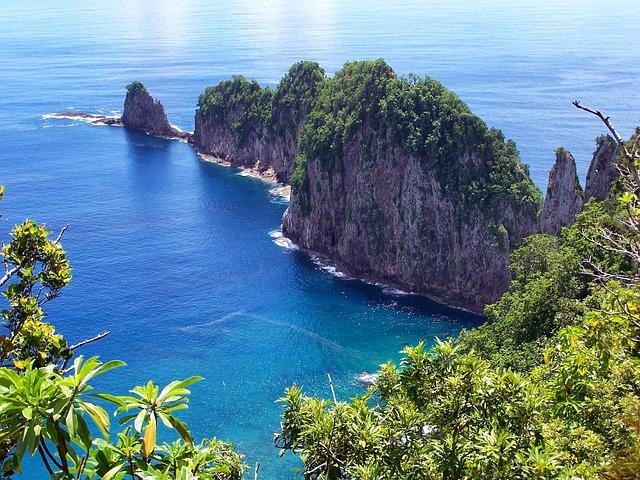
in a bold stance against deep-sea mining, American Samoa has officially expressed its opposition to the controversial practice, highlighting growing concerns over environmental protection and marine conservation. As local leaders advocate for the preservation of their pristine underwater ecosystems, the situation becomes increasingly complex with the potential actions of the Trump administration, which has signaled support for mineral extraction in the deep ocean. This clash between local governance and federal intentions raises critical questions about the future of marine environments and the rights of territories in the face of national policy. In this article, we delve into the implications of American Samoa’s rejection of deep-sea mining and the looming challenges posed by federal interests.
American Samoa Voices Its Concerns Against Deep-Sea Mining
In a recent expression of concern, local leaders from American Samoa are rallying against the potential initiation of deep-sea mining activities in their maritime regions. The proposed measures, driven by the Trump administration, have raised alarms among residents who fear environmental degradation and threats to their unique ecosystems. Key issues cited by the community include:
- Risk to Biodiversity: The deep-sea ecosystems are vital habitats for numerous marine species, and mining could disrupt delicate balances.
- Impact on Fisheries: The livelihoods of local fishermen depend on healthy ocean waters, which could be jeopardized by mining operations.
- Cultural Significance: The ocean holds historical and cultural importance for the people of American Samoa, which could be undermined by industrial extraction.
Community advocates are demanding that their voices be heard in discussions about natural resource management. They emphasize the need for sustainable practices rather than short-term economic gains that could have lasting detrimental effects on their way of life. Moreover, activists are urging policymakers to prioritize the health of ocean environments over corporate interests, as they contend that the consequences of deep-sea mining extend far beyond territorial waters, affecting global ecological health and climate change initiatives.
Potential Environmental Impacts and Economic Consequences of Mining
The decision by American Samoa to oppose deep-sea mining highlights the growing concerns over the environmental ramifications of such activities. Mining operations in oceanic regions can lead to notable disruption of marine ecosystems, threatening biodiversity and the delicate balance of underwater habitats. The process of collecting minerals from the seabed frequently enough results in the release of toxic substances and sediment plumes,which can smother coral reefs and interfere with the feeding mechanisms of various marine species. Moreover,the long-term impacts on fisheries and the livelihoods of coastal communities could be devastating,as many rely on a healthy ocean for sustenance and economic stability.
Beyond environmental degradation, the economic consequences of deep-sea mining also warrant serious consideration. Local economies could suffer in multiple ways,including the potential decrease in tourism attracted by pristine marine environments. The minerals extracted-while potentially lucrative-may not benefit local populations, as profits frequently flow to multinational corporations. Additionally, as demand for these resources fluctuates with global markets, communities dependent on mining might experience economic instability, becoming vulnerable to boom-and-bust cycles. In this context, the decision to prioritize conservation over exploitation resonates deeply with the values of sustainability and ecological integrity, emphasizing the importance of protecting vulnerable ecosystems for future generations.
policy Implications and Recommendations for Sustainable Ocean Management
The recent stance taken by American Samoa against deep-sea mining underscores the urgent need for comprehensive policies that prioritize ecological health and community welfare in ocean management. Key recommendations for sustainable practices include the establishment of protected marine areas that safeguard biodiversity and support local fisheries. Moreover, implementing rigorous environmental assessments to evaluate the potential impacts of mining activities is essential to mitigate damage to fragile ecosystems. Engagement with local communities in decision-making processes can empower residents and ensure that their voices are heard in matters that affect their livelihoods and cultural heritage.
In light of growing global pressure and the potential for unilateral decisions from federal authorities, it is crucial that a collaborative approach is adopted among stakeholders, including government agencies, environmental organizations, and indigenous communities. Effective strategies may involve the crafting of legislation that articulates clear boundaries for resource extraction and enforces penalties for violations. Strengthening international cooperation on ocean governance can also facilitate facts sharing and best practices, ensuring that all nations uphold their duty to protect the world’s oceans. Ultimately, a shift toward sustainable ocean management practices will not only preserve marine ecosystems but also enhance the resilience of coastal communities in the face of climate change.
Concluding remarks
the decision by American Samoa to reject deep-sea mining reflects a growing concern over environmental protection and the management of underwater ecosystems. Local leaders are seeking to safeguard the rich marine biodiversity that defines their territory,standing firmly against potential exploitation by external interests. Tho, the looming presence of the Trump administration raises uncertainties about the future of mining activities in these pristine waters. As the debate intensifies, the clash between local sovereignty and federal ambitions will likely play a pivotal role in determining the fate of American Samoa’s marine resources. As the situation develops, it will be essential to monitor both the local response and the federal government’s actions, ensuring that the voices of those who call this unique region home are heard louder than the call of profit from the depths below.










