
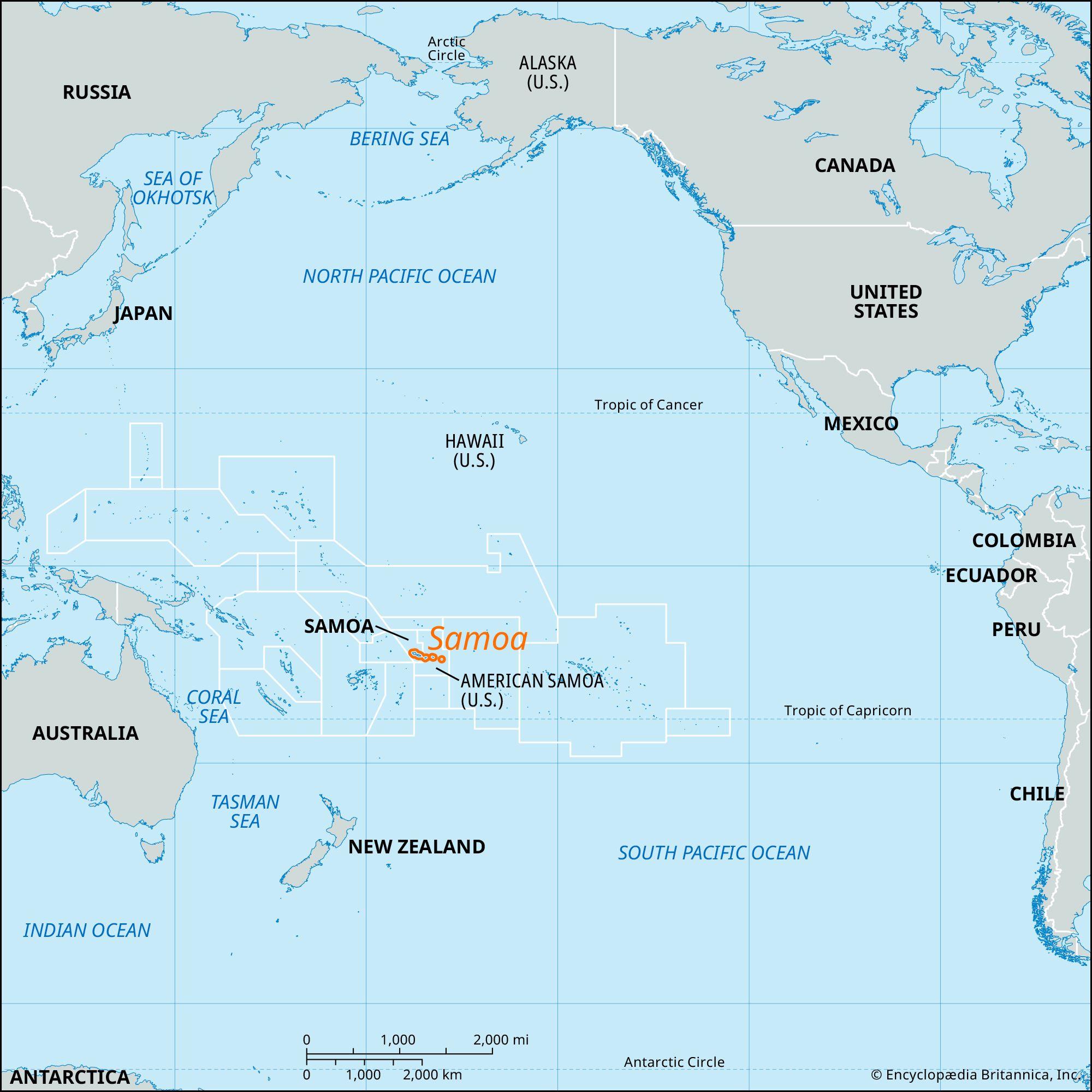
In a contentious push for economic revitalization, a representative from American Samoa is advocating for the reopening of protected waters in the Pacific Ocean to tuna fishing. This call to action underscores a growing concern among local communities facing financial challenges, particularly in the wake of declining tuna stocks and increasing competition from foreign fleets. As governments and environmentalists grapple with the balance between conservation and economic sustainability,the debate over the management of Pacific marine resources is intensifying. This article explores the implications of this proposal, the environmental considerations at stake, and the potential impact on both the local fishing industry and marine ecosystems.
Lawmakers Propose Balancing Conservation and Commercial Interests in Pacific Waters
In a recent move aimed at addressing the complex interplay between environmental stewardship and economic sustainability, lawmakers are advocating for a balanced approach to the usage of the Pacific’s waters. The proposal primarily focuses on reopening certain protected regions for tuna fishing, which proponents argue could benefit local communities reliant on the fishing industry. This strategy is designed to support local economies while ensuring that conservation efforts are not entirely sidelined. Key aspects of the proposal include:
- Regulated Fishing Practices: Implementing strict guidelines on fishing limits to avoid overexploitation.
- Community Involvement: Engaging local stakeholders in decision-making to ensure their voices and needs are prioritized.
- Periodic Assessments: Establishing a framework for ongoing ecological assessments to monitor the health of the marine ecosystem.
Opposition to the proposal highlights the potential risks associated with reopening protected waters, emphasizing the importance of preserving critical habitats for various marine species.Environmental advocates argue that such habitats play a crucial role in maintaining biodiversity and the overall health of ocean ecosystems.To navigate these concerns, legislators suggest establishing a collaborative framework that includes:
| Stakeholder Group | Proposed Role |
|---|---|
| Local Fishermen | Provide input on fishing practices and sustainable methods. |
| Environmental Organizations | Offer expertise on conservation and ecological assessments. |
| Government Agencies | Enforce regulations and monitor compliance with conservation efforts. |
Impact of Tuna Fishing on Local Communities and Sustainable Practices
Local communities in American Samoa are closely intertwined with the fishing industry, as tuna serves not only as a primary food source but also as a vital part of the economic fabric. The push to reopen protected Pacific waters to tuna fishing has sparked a debate among residents, environmentalists, and policymakers. Proponents argue that lifting restrictions could revitalize local economies by providing jobs and increasing seafood availability, especially amid fluctuating global tuna prices. However, this approach raises concerns about the sustainability of fish populations and the health of marine ecosystems, which local communities rely on for their livelihood.
To navigate this complex situation, it is indeed crucial to consider sustainable fishing practices that balance economic growth with ecological preservation. Effective strategies may include:
- Implementing catch limits to prevent overfishing and ensure tuna stocks remain healthy.
- Promoting community-based management that empowers local fishers to establish rules, fostering stewardship of marine resources.
- Enhancing monitoring and enforcement of fishing activities to combat illegal, unreported, and unregulated (IUU) fishing.
These measures can create a framework for sustainable fishing that supports local communities while protecting vital marine ecosystems. By engaging stakeholders in clear discussions, American Samoa can work toward a model of fishing that prioritizes both economic and environmental health.
Urgent Recommendations for Policy Changes to Support Fisheries and Environmental Goals
The call from the American Samoa representative to expand tuna fishing in previously protected Pacific waters is igniting a heated debate among conservationists, policymakers, and fishing communities. Proponents argue that re-opening these regions could substantially benefit local economies dependent on the tuna industry,which has faced challenges due to declining fish stocks and increased competition. The urgent need for policy changes is underscored by the potential for job creation and increased revenue from sustainable fishing practices,which might also help counteract the economic impacts of recent global disruptions on the fisheries sector.
However, such a move raises critical questions regarding how best to balance immediate economic benefits with long-term environmental sustainability. To address these concerns, it is essential to implement measures that ensure responsible fishing practices and protect marine ecosystems. Key recommendations for policy changes include:
- Establishing quotas: Mandate strict catch limits based on scientific assessments to prevent overfishing.
- Enhancing monitoring systems: Deploy advanced technologies to track fishing activities and ensure compliance with regulations.
- Investing in research: Support studies on tuna populations and their habitats to inform evidence-based management decisions.
- Promoting community engagement: Involve local communities in the decision-making processes to foster stewardship and innovation in fisheries management.
| Policy Advice | Expected Outcome |
|---|---|
| Establishing quotas | Prevention of overfishing |
| Enhancing monitoring systems | Increased compliance and openness |
| Investing in research | Better-informed management strategies |
| Promoting community engagement | Stronger environmental stewardship |
The Way Forward
the call from American Samoa’s representative to open protected Pacific waters to tuna fishing underscores the complex balance between environmental stewardship and the economic needs of local communities. As fishing communities face challenges from dwindling resources and rising costs, the debate over sustainable practices versus immediate access to marine resources intensifies. The potential implications of such a policy shift not only affect the fishing industry but also the broader ecological health of the Pacific Ocean.Stakeholders, conservationists, and policymakers will need to engage in a extensive dialog to navigate these competing interests and find solutions that promote both economic vitality and environmental sustainability. As this story develops, the outcome will serve as a critical case study for other regions grappling with similar dilemmas in the pursuit of balance between conservation and economic livelihoods.










