

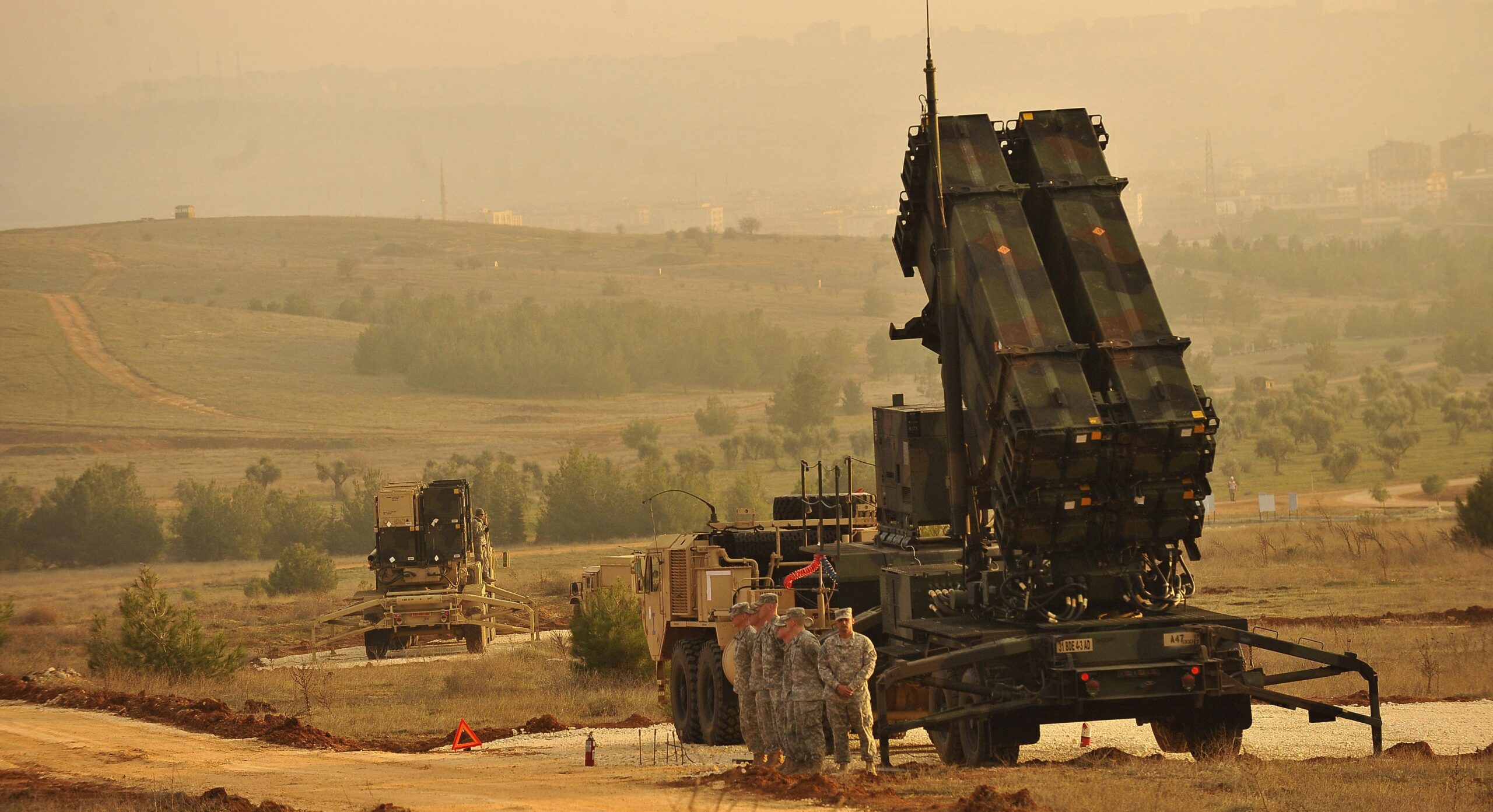
In a significant shift in military strategy, the United States has commenced the relocation of Patriot missile batteries from South Korea to the Middle East, a move that underscores the changing dynamics of regional security. This decision, confirmed by U.S.defense officials,comes amid escalating tensions in the Middle East and reflects a broader reassessment of American military resources in response to emerging threats. the transfer of these advanced surface-to-air missile systems aims to bolster defense capabilities in an area marked by ongoing geopolitical volatility. As experts analyze the implications of this deployment, the strategic rationale behind the move raises critical questions about the U.S. commitment to its allies in Asia and its evolving role in global defense.
U.S.Strategic Rebalance: Understanding the Transfer of Patriot Missile Batteries to the Middle east
the recent transfer of Patriot missile batteries from South Korea to the Middle East underscores a significant shift in U.S.military strategy in response to evolving threats and geopolitical dynamics. This move illustrates the prioritization of defense capabilities in regions where tensions have escalated, notably involving nations like Iran and its proxy groups. The repositioning of these assets aims to bolster defense systems in key allied regions, ensuring a rapid response capability against aerial threats, including drones and ballistic missiles that have become increasingly prominent. By transferring state-of-the-art missile defense systems to the Middle East, the U.S. seeks to enhance the deterrence posture and reassure regional allies of its commitment to their security.
Key factors influencing this strategic redeployment include:
- Rising Regional Threats: Increased missile activities from adversarial nations have necessitated an immediate defensive response.
- Allied Support: This transfer strengthens the defense umbrella for U.S. allies such as Israel and Gulf states.
- Resource Management: Consolidating military assets allows for a more efficient allocation of resources based on current threat assessments.
- Strategic Presence: Maintaining a robust military stance in the Middle East aims to deter aggression and stabilize the region.
| Region | Reason for Deployment |
|---|---|
| South Korea | Distance from immediate threats, established defense systems |
| Middle East | Increased threat level from missiles and drones |
Regional Security Implications: Analyzing the Impact on U.S. Alliances and Military Posture
The recent repositioning of Patriot missile batteries from South Korea to the Middle East signifies a strategic shift that could have significant implications for U.S. alliances and military posture. This move might potentially be interpreted as a recalibration of defense priorities,responding to increasing tensions in the Middle East,particularly amid threats from Iran and its proxies. As a result,U.S. allies in East Asia, especially South Korea and Japan, might perceive this action as a potential weakening of American commitment to their defense against North Korea. The reassessment raises critical questions about the adequacy of regional deterrents and the long-term implications for U.S.-South Korea relations,suggesting the need for enhanced dialog and coordination to maintain trust and security assurances in the region.
Moreover, this strategic redeployment reflects a broader U.S. military strategy that prioritizes flexibility and rapid response capabilities. As the U.S. seeks to balance its commitments across multiple theaters, the impact on alliances in Asia and the Middle East becomes increasingly pronounced. As an example, the following aspects are essential in understanding this military recalibration:
- Strengthening Middle Eastern Alliances: The focus on the Middle East aligns with U.S. efforts to reinforce relationships with Gulf nations amid regional instability.
- Implications for NATO: European allies may respond with concerns about U.S. security commitments, particularly if resources are perceived as being diverted.
- Increased Regional Security Dynamics: Such maneuvers may lead adversaries to recalibrate their own military strategies in response to perceived shifts in U.S.involvement.
| Region | Key Concerns | Possible Responses |
|---|---|---|
| East Asia | North Korean threats | Increased military drills and regional cooperation |
| Middle East | Iranian aggression | Strengthened defense systems |
| Europe | NATO cohesion | Heightened diplomatic engagement |
Recommendations for Policy Makers: Addressing potential Gaps in Defense Capabilities in South Korea
Considering the recent transfer of U.S. Patriot missile batteries from South Korea to the middle East, it is crucial for South Korean policymakers to evaluate and fortify their defense posture against potential regional threats.Given the complexities of the geopolitical landscape in Northeast Asia, there are several key areas that should be prioritized to address emerging gaps in defense capabilities:
- Strategic Investments: Increase funding for advanced military technologies, including missile defense systems, cyber warfare capabilities, and artificial intelligence integration in defense operations.
- Alliances and Partnerships: Strengthen defense collaborations with neighboring countries and re-engage in multilateral defense pacts that can enhance collective security measures.
- Domestic Military Production: Encourage local defense industry growth by incentivizing research and development in cutting-edge military equipment.
- Extensive Threat Assessment: Regularly update threat assessments to stay ahead of both conventional and unconventional threats facing the nation.
Additionally, policymakers should consider establishing a dedicated task force that focuses on intelligence sharing and rapid response strategies to address sudden shifts in regional security dynamics. A systematic approach to exploring the integration of autonomous and unmanned systems into the national defense infrastructure can provide new avenues for innovation.Research and training on advanced strategies in electronic warfare and joint operations across the U.S.-Korea alliance are integral to maintaining operational readiness.
| Gaps in Defense capabilities | Recommended Actions |
|---|---|
| Missile Defense | Invest in next-gen systems |
| Cybersecurity | Enhance internal safeguards |
| Intelligence Sharing | Create new multilateral forums |
| Rapid Response | Establish rapid mobilization units |
To Wrap It Up
the decision by the United States to reposition Patriot missile batteries from South Korea to the Middle East underscores a significant shift in military strategy and resource allocation. This move, driven by evolving geopolitical tensions and the imperative to bolster defense capabilities in a volatile region, highlights America’s ongoing commitment to its allies and its readiness to respond to emerging threats. As global dynamics continue to change, the implications of this transfer will be closely monitored by both allies and adversaries alike, reflecting the complex interplay of military strategy and international relations in today’s security landscape. Moving forward, it will be crucial for policymakers and defense experts to assess the impact of this reallocation on regional stability and U.S. military readiness.










