

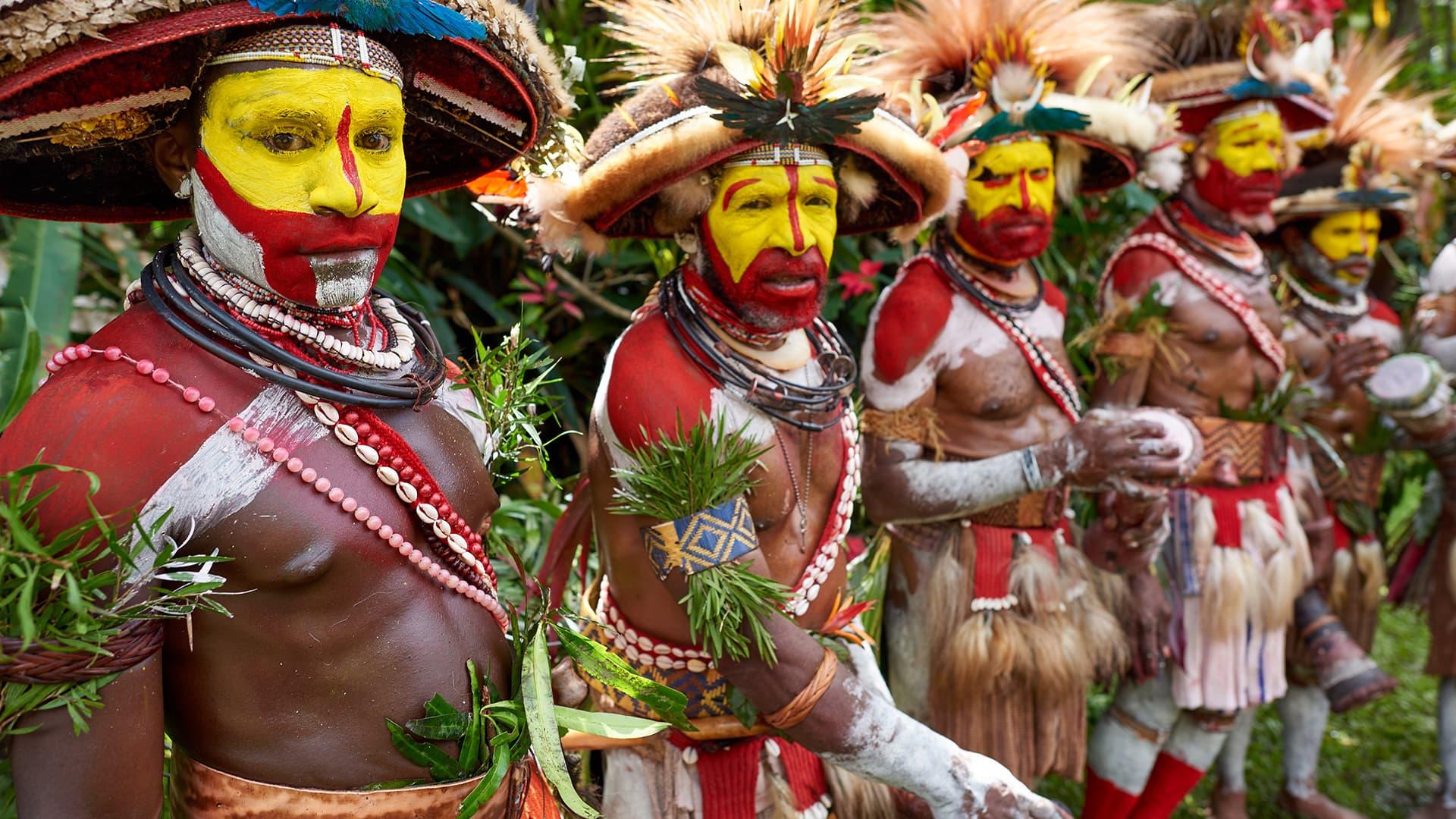
Papua New Guinea: A Tapestry of Languages Amidst Cultural Diversity
In a world where linguistic diversity is rapidly waning, Papua New Guinea stands as a bastion of human expression, boasting more living languages than any other nation. With over 800 distinct languages spoken across its lush landscapes and vibrant communities, the Pacific island nation is not only a cultural mosaic but also a crucial area of study for linguists and anthropologists alike. According to data compiled by Our World in Data,this staggering linguistic wealth underscores the intricate relationship between language,identity,and social cohesion among Papua New Guinea’s diverse ethnic groups. As globalization continues to reshape interaction patterns across the globe, the preservation of these languages becomes increasingly vital, offering insights into the region’s rich heritage and the worldwide quest for understanding. In this article, we explore the significance of Papua New Guinea’s linguistic diversity, the challenges it faces, and the role it plays in the broader narrative of human civilization.
Understanding the Linguistic Diversity of Papua New Guinea
Papua New Guinea is a remarkable tapestry woven with over 800 languages, making it the most linguistically diverse nation in the world.This rich linguistic heritage is not merely a reflection of the country’s ethnic variety; it also embodies the unique cultural identities and traditions of its people. Across the islands and coastal regions,distinct languages serve as vessels of local history,customs,and worldviews. For instance, languages such as Tok Pisin, Hiri Motu, and English have emerged as vital tools for communication in urban areas, yet countless indigenous languages remain in daily use, particularly in rural communities.
This linguistic variety presents both opportunities and challenges. On one hand, it fosters an unparalleled sense of community and identity among speakers; conversely, it raises concerns about language preservation and educational accessibility. The country faces a notable risk of losing many of its lesser-known languages as globalization takes hold. To illustrate this issue, the following table highlights some key aspects of the linguistic landscape:
| Aspect | Details |
|---|---|
| Total Languages | Approximately 839 |
| Endangered Languages | Over 300 |
| Official Languages | Tok Pisin, Hiri Motu, English |
| Language Families | Austronesian, Papuan, others |
Exploring the Cultural Implications of Language Preservation
The unusual linguistic diversity in Papua New Guinea, which is home to over 800 distinct languages, serves as a testament to the rich tapestry of cultures that inhabit the region. Each language not only serves as a means of communication but also encapsulates unique worldviews, customs, and traditions. The preservation of these languages is vital, as they are deeply intertwined with cultural identity and historical narratives. As languages die, so too do the stories, values, and ways of life that have been passed down through generations, leading to a homogenization of rich cultural landscapes into a singular global identity.
Efforts to preserve these languages can foster stronger community ties and a renewed sense of belonging among indigenous populations. Initiatives may include:
- Cultural immersion programs that teach younger generations their ancestral languages
- Documentation projects that aim to record and archive immortal wisdom contained within these languages
- Support for local artists and storytellers to create works in their native tongues
Such measures not only ensure the survival of languages but also enhance the cultural heritage of Papua New Guinea. By keeping these languages alive, communities are ensuring that their unique perspectives continue to thrive in the global dialog, ultimately enriching the world’s collective culture.
Strategies for Supporting Indigenous Languages in a Globalized World
In a world increasingly dominated by a few major languages, supporting Indigenous languages is more crucial than ever. Papua New Guinea, home to over 800 languages, showcases the richness of linguistic diversity and the cultural identities associated with them. To ensure these languages thrive, several strategies can be implemented:
- Community Education Programs: Schools should incorporate local languages into their curriculum, allowing children to learn in their native tongue alongside global languages.
- Digital Resources: Developing online platforms and applications that teach and promote Indigenous languages can boost engagement, especially among younger demographics.
- Government Policy Support: Legislation aimed at protecting and promoting linguistic diversity can provide essential resources and funding for preservation initiatives.
- Intergenerational Knowledge Transfer: Encouraging elders to pass down language and tradition fosters a deeper connection to cultural heritage.
Collaboration plays a vital role in revitalizing Indigenous languages. Local communities,educational institutions,and governments need to work together to create enduring frameworks that support language use in daily life. Funding research into best practices and promoting language documentation initiatives can also ensure that these languages not only survive but flourish in a globalized context.As we consider the future of linguistic diversity, the focus must remain on integrating these languages into broader cultural narratives, positioning them as assets rather than relics of the past.
| Strategy | Description |
|---|---|
| Community Education | Incorporating Indigenous languages in school curriculums. |
| Digital Tools | Creating apps and online courses for language learning. |
| Policy Support | Enacting laws that protect linguistic rights. |
| Knowledge Transfer | Mentoring programs between generations for language sharing. |
Closing Remarks
Papua New Guinea stands as a testament to the rich tapestry of human language, boasting more living languages than any other nation on Earth. This linguistic diversity is not just an intriguing statistic; it reflects the complex cultural heritage and social dynamism of its people. As globalization continues to shape our world, preserving these languages becomes increasingly vital, not only for the communities that speak them but for humanity at large. Understanding and valuing this linguistic wealth is essential for fostering a more inclusive global dialogue,ensuring that the voices of Papua New Guinea’s numerous ethnic groups are heard and respected. As we move forward, the challenge will be to protect these languages and acknowledge their integral role in the fabric of our shared global identity.










