Introduction:
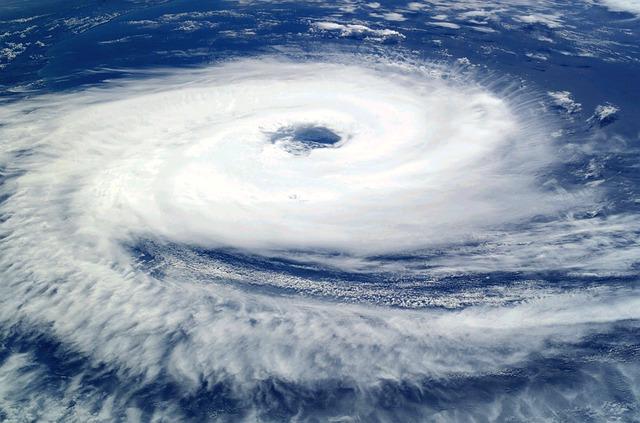
Super Typhoon Sinlaku has unleashed its devastating fury on remote U.S. islands in the Pacific Ocean, bringing with it ferocious winds and catastrophic weather conditions that have left communities bracing for the aftermath. As the powerful storm swept across the region, officials reported extensive damage, downed power lines, and unrelenting rainfall that threatens to inundate coastal areas. Residents have been urged to seek shelter as the cyclone wreaks havoc on infrastructure and poses notable risks to safety. As the situation unfolds, the full extent of Sinlaku’s impact remains to be seen, highlighting the increasingly volatile nature of Pacific weather patterns and the vulnerability of isolated island communities.
Super Typhoon Sinlaku Unleashes Devastation on Remote U.S. Pacific Islands
In an unprecedented display of nature’s fury, Super Typhoon Sinlaku barreled through several remote U.S. Pacific islands, leaving a trail of destruction in its wake. With sustained winds exceeding 160 mph, the storm made landfall shortly after midnight, uprooting trees, flattening homes, and inundating coastal areas. Preliminary reports highlight significant damage across multiple islands, with infrastructure crumbling under the relentless assault. Residents described a harrowing experience as relentless rain and winds made it nearly impossible to navigate to safety, prompting emergency services to advise immediate evacuation in vulnerable regions.
Authorities have mobilized to assess the damage and provide relief, but challenges abound due to the islands’ isolation. The United States Coast Guard and local emergency response teams are coordinating rescue efforts, focusing on areas hardest hit. Key concerns include:
- Power outages: Widespread blackouts have left thousands without electricity, complicating recovery efforts.
- Communication breakdowns: Many residents are cut off from outside help as phone lines and internet services remain down.
- Shelter and supplies: The urgency for food, water, and medical supplies is growing, as local resources are quickly depleting.
As the storm moves away from the islands, the focus shifts to immediate recovery and rebuilding, with officials bracing for long-term impacts on the affected communities. Assessments are underway to determine the full extent of the damage,and additional aid is expected to be deployed in the coming days to provide crucial support to those in need.
Emergency Response Strategies Under Scrutiny as Communities Face Recovery Challenges
In the wake of super Typhoon Sinlaku, which unleashed its fury on the remote U.S. islands in the Pacific, officials and residents alike are grappling with the aftermath and questioning the effectiveness of current emergency response strategies. Communities that once seemed insulated from such natural disasters are now facing significant challenges in recovery, revealing gaps in readiness and resource allocation. Key issues emerging from the devastation include:
- Insufficient Communication Systems: Many residents reported difficulties in receiving timely alerts and updates during the storm, highlighting the need for more robust communication infrastructure.
- Limited Access to Resources: Relief efforts have been hampered by logistical hurdles, with delayed shipments of essential supplies and inadequate emergency shelters compounding the devastation.
- Disparities in Preparedness: Vulnerable population groups were disproportionately affected, raising concerns about equitable access to government resources and support networks.
As recovery efforts commence, local leaders are advocating for a reevaluation of disaster response frameworks to enhance resilience in future storms. The lessons learned from Sinlaku’s impact are prompting a serious dialog around integrating community input into emergency planning,ensuring that all voices are heard,especially from the most affected. Strategies under consideration include:
- Community-Based Preparedness Programs: Empowering local residents to take an active role in disaster readiness by participating in drills and planning sessions.
- Improved Infrastructure Investments: Strengthening critical facilities such as hospitals, schools, and emergency centers to withstand extreme weather events.
- Enhanced Collaboration Between Agencies: Fostering partnerships among local, state, and federal entities to streamline response efforts and improve the overall coordination.
Long-Term Solutions Needed to mitigate Impact of Future Typhoons in Vulnerable regions
The recent onslaught of Super Typhoon Sinlaku has underscored the pressing need for comprehensive, long-term strategies to address the vulnerability of remote U.S. islands in the Pacific. As these regions grapple with the immediate aftermath of this catastrophic weather event, it becomes increasingly clear that reactive measures may no longer suffice. Instead, authorities and communities must focus on developing sustainable solutions aimed at enhancing resilience against future natural disasters. This includes investing in robust infrastructure that can withstand extreme weather and implementing proactive emergency response plans that prioritize the safety and well-being of residents.
To effectively mitigate the impact of future typhoons, several key initiatives should be considered:
- Strengthening Coastal Defenses: Constructing barriers and restoring natural ecosystems, such as mangroves, can help protect shorelines from storm surges and flooding.
- Improving Housing Standards: Mandating stricter building codes will ensure that structures are resilient enough to endure powerful winds and heavy rainfall.
- Enhancing Early Warning Systems: Investing in advanced meteorological technology to provide accurate forecasts can offer communities vital time to prepare and evacuate if necessary.
- Community Education and Engagement: creating programs to educate residents about disaster preparedness can foster a culture of resilience and proactive response.
Implementing these strategies requires a collaborative approach, engaging local governments, environmental organizations, and the federal government to create a unified response to the escalating threat posed by climate-induced natural disasters.
To Conclude
As super Typhoon Sinlaku continues to unleash its destructive force on the remote U.S. islands in the Pacific Ocean, recovery efforts are already being planned to address the aftermath of this natural disaster. The ferocious winds and heavy rains have not only caused significant damage to infrastructure but have also raised concerns about the safety of residents in the affected areas.As the storm dissipates, authorities urge residents to remain vigilant and follow safety guidelines while they assess the extent of the impact. The response will require combined efforts from local, state, and federal agencies to restore normalcy to these isolated communities. Ongoing coverage will follow as the situation develops and updates are provided on recovery initiatives and support for those affected by this powerful storm. Stay tuned to NBC news for the latest updates.