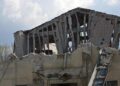
Super Typhoon Bavi has made landfall in Guam and the Northern Mariana Islands, unleashing devastating winds and heavy rainfall in a region still reeling from the impact of Typhoon Sinlaku just two and a half months earlier.As residents brace for the brutal effects of this latest storm, emergency services are on high alert, and preparations are underway to ensure safety and support for those in the storm’s path. With the destructive force of Bavi now upon them, local communities face the daunting challenge of recovery and resilience in the face of an increasingly volatile climate. This article examines the immediate effects of Bavi’s onslaught, the lessons learned from Sinlaku, and the ongoing efforts to safeguard lives and property in this vulnerable region of the Pacific.
Super Typhoon Bavi Impacts Guam and Northern Mariana Islands with Devastating Winds and Flooding
As Super Typhoon Bavi barreled thru the region, residents of Guam and the Northern Mariana Islands faced a relentless onslaught of powerful winds and torrential rain. With reported gusts exceeding 160 mph, the storm wreaked havoc on infrastructure, uprooting trees, damaging roofs, and downing power lines. Emergency services have been activated, with authorities urging those in affected areas to seek shelter and prepare for protracted power outages. The rapid intensity of Bavi caught many off guard, exacerbating the impact just months after the devastation caused by Typhoon Sinlaku.
Flooding has emerged as a significant concern,as heavy rains exacerbated the situation,leading to flash floods in various low-lying areas. Residents have reported inundated homes and streets, with emergency response teams working tirelessly to assist those trapped or in need. Key points of concern include:
- Evacuations: Authorities have issued evacuation orders for vulnerable populations, emphasizing safety as priority.
- Infrastructure Damage: Roads and bridges have suffered significant damage, complicating rescue efforts.
- Emergency Shelters: Temporary shelters are being set up to accommodate those displaced by the storm.
The community is coming together, showing resilience in the face of adversity as they prepare to recover from yet another natural disaster.
Emergency Preparedness Lessons Learned from Sinlaku to Strengthen Resilience Against Bavi
In the wake of Super Typhoon Sinlaku, which recently impacted the region, communities faced invaluable lessons that are critical for bolstering resilience against further natural disasters, particularly with the looming threat of Typhoon Bavi. Emergency management officials have emphasized the importance of an established preparedness framework, enabling residents to respond effectively. Key takeaways include:
- Enhanced Interaction Strategies: Developing clear lines of communication between local governments and residents can save lives. Rapid, accessible updates before, during, and after the storm are crucial.
- Community Drills and Training: Regular training sessions that prepare residents for various emergency scenarios foster a culture of readiness, ensuring that individuals know how to act swiftly.
- Resource Allocation: identifying and pre-positioning necessary supplies, such as food, water, and medical kits, can dramatically reduce response time during emergencies.
As residents continue to reckon with the damaging impacts of Sinlaku, strengthening infrastructure to withstand future storms is another lesson learned. Authorities are urged to invest in resilient construction methods and promote awareness of flood zones to minimize physical destruction. A comprehensive approach to urban planning will help mitigate risks associated with severe weather events. Further considerations include:
- Green Infrastructure: Incorporating natural barriers and vegetation can help absorb floodwaters and reduce runoff.
- Emergency shelters: Establishing well-equipped shelters in safer zones can provide refuge for the displaced and vulnerable populations.
- Local resilience Programs: Engaging communities in sustainable practices like rainwater harvesting and home fortification efforts can empower residents to take charge of their safety.
Restoration Efforts Underway as communities begin Recovery from Super Typhoon Catastrophe
As the communities of Guam and the Northern Mariana Islands begin to assess the widespread devastation wrought by Super Typhoon Bavi, local leaders and relief organizations are mobilizing resources to aid in recovery efforts.Many families have been left without shelter, electricity, or access to clean water, prompting an immediate response from both governmental and non-governmental agencies. Efforts are focusing on providing essential services and support, including:
- Emergency shelters to accommodate displaced residents.
- Distribution of food and clean water to those in need.
- Medical assistance for injuries and health-related issues exacerbated by the disaster.
The broader community is also stepping up to help, with numerous grassroots initiatives springing forth. Volunteers have come together to form teams for debris removal and rebuilding efforts, illustrating the strength and resilience of the impacted regions. Residents are encouraged to participate in local fundraising events and donate supplies for relief efforts, as the need remains critical. Upcoming initiatives are set to include:
- Community clean-up days to clear streets and public spaces.
- Fundraising events to support both immediate relief and long-term recovery.
- Workshops and training on disaster preparedness and resilience building.
To Conclude
As Super Typhoon Bavi makes its mark on Guam and the Northern Mariana Islands, the region grapples with the immediate aftermath and recovery efforts prompted by the storm’s destructive path. The impact of Bavi,arriving less than three months after Typhoon Sinlaku,underscores the growing vulnerability of these islands to increasingly intense weather events,a trend tied to the broader implications of climate change. Local officials and emergency responders are mobilizing resources to assist affected communities, while residents brace for the challenges ahead in rebuilding their lives and infrastructure. As the situation develops, it remains critical for the international community to support recovery efforts and to initiate discussions on resilience and preparedness in the face of nature’s growing fury. Stay tuned for ongoing updates as we continue to follow the story and here from those on the ground.