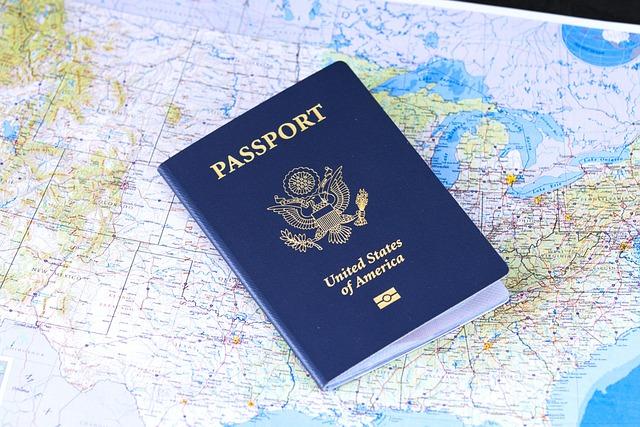
In a significant shift in immigration policy, the United States has announced the suspension of its visa-free travel program for Chinese nationals traveling to the Northern Mariana Islands. This development comes amid heightened tensions between the U.S. and China, raising concerns about the implications for tourism and economic ties in the region. the Northern Mariana Islands, a U.S.territory in the pacific, has historically welcomed Chinese tourists under this program, which allowed for easier access without the need for a visa.As the situation unfolds, stakeholders are left to navigate the potential repercussions on local economies and international relations. this article delves into the reasons behind the suspension, its impact on affected communities, and what it may signal for future U.S.-China interactions.
US Government Cites Security Concerns in Suspension of visa-Free Travel for chinese Nationals
In a significant update regarding travel policy, the US government has enacted the suspension of the visa-free travel program for Chinese nationals visiting the Northern Mariana Islands. This decision, rooted in escalating security concerns, reflects a broader strategy to safeguard the region’s stability amid rising geopolitical tensions. Officials cited potential risks associated with uncontrolled access,including worries about intelligence gathering and broader national security implications. As part of the enforcement of this suspension, applicants from China will now be required to obtain conventional visas prior to travel.
The ramifications of this policy change extend beyond immediate travel restrictions. Local businesses in the Northern Mariana Islands, which have historically relied on tourism from chinese visitors, are bracing for economic impacts as travel flows decrease. Stakeholders within the tourism sector are calling for measures to mitigate potential downturns, emphasizing the importance of balancing security needs with economic vitality. As the region navigates these new protocols, the dialog surrounding national security and access to travel remains a pivotal issue for both policymakers and citizens alike.
Impact on Tourism and Economy in Northern Mariana Islands Following Visa Changes
The recent suspension of the visa-free travel program for Chinese nationals to the Northern Mariana Islands is expected to instigate a significant shift in the region’s tourism landscape. Tourism from china has been a vital component of the local economy, with millions of dollars in spending attributed to Chinese visitors. Many businesses, particularly in sectors such as hospitality and retail, have profited enormously from the influx of tourists. The loss of this visa privilege will likely lead to a downturn in tourist numbers, resulting in reduced revenues for hotels, restaurants, and attractions that heavily relied on this demographic. As travel restrictions tighten,stakeholders in the tourism industry are preparing for a challenging period ahead,with potential cuts to services and staffing being discussed as immediate responses to the anticipated decline in visitor numbers.
The economic repercussions extend beyond the tourism sector as well. Employment opportunities may diminish, leading to an increase in local unemployment rates. This is especially concerning in a region that has worked tirelessly to bolster its economy through tourism and related services. Additionally, the domino effect may touch various other sectors that depend on vibrant tourist traffic, including transportation, entertainment, and local artisans. local leaders and economic policymakers are urged to strategize and explore option markets or initiatives that might mitigate the financial blow from this travel ban, addressing not only short-term losses but also planning long-term sustainable economic growth in a post-pandemic era.
Experts Recommend Strategic Policy Adjustments to Mitigate Economic Fallout
In response to the recent suspension of the visa-free travel program for Chinese nationals to the Northern Mariana Islands, economic experts are calling for targeted policy reforms to cushion the potential economic impact. Analysts warn that this abrupt change could deter tourism, a vital sector for the local economy, and lead to a ripple effect on various industries. Experts are suggesting a combination of measures to not only address immediate concerns but to fortify the economy for long-term resilience.
Among the recommended adjustments, experts have highlighted the importance of:
- Boosting local tourism initiatives: Encouraging domestic travelers and diversifying tourism markets may help compensate for the loss of visitors from China.
- Enhancing international outreach: Seeking alternative partnerships and promoting the Northern Mariana Islands in other countries could mitigate the decline in Chinese tourist numbers.
- Investing in infrastructure: Upgrades to transportation and accommodations can better prepare for future tourism opportunities, attracting a wider range of global tourists.
- Implementing economic diversification strategies: Fostering new industries, such as technology and renewable energy, could stabilize the economy against tourism fluctuations.
In Summary
the suspension of the visa-free travel program for Chinese nationals to the Northern Mariana Islands marks a significant shift in U.S. immigration policy towards China. While officials cite security concerns and the need for enhanced border control, this decision is likely to have far-reaching implications for tourism and economic ties between the two regions. Stakeholders in the Northern Mariana Islands are urged to prepare for potential impacts on their tourism-dependent economy, as they navigate the complexities of international relations and visa regulations. As the situation unfolds, further developments are expected, and the implications of this policy change will be closely monitored by both nations.