

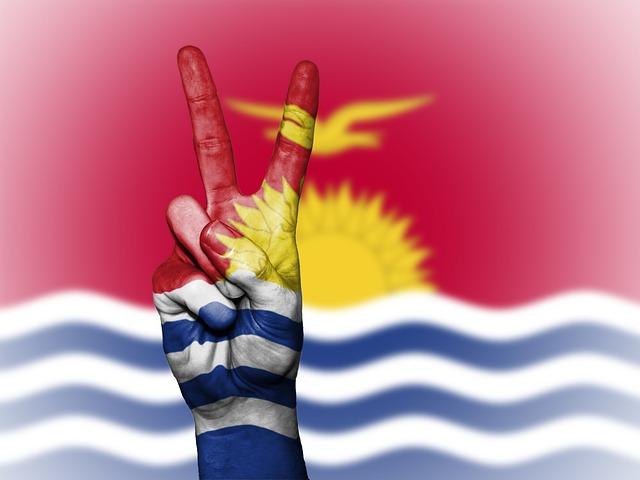
Title: Kiribati’s Battle with Climate change: A Closer Look at CO₂ and greenhouse Gas Emissions
As the world grapples with the escalating climate crisis, the remote Pacific island nation of Kiribati stands on the front lines of environmental change. With rising sea levels threatening its very existence, the country’s unique profile of carbon dioxide (CO₂) and greenhouse gas emissions reveals a complex interplay between development aspirations and the dire need for sustainability. In this article, we utilize data from “Our World in Data” too explore kiribati’s emissions landscape, examining the factors contributing to its greenhouse gas output, the challenges it faces in reducing emissions, and the urgent necessity for global cooperation to mitigate the impacts of climate change. As Kiribati strives to balance economic growth with ecological preservation, its journey provides crucial insights into the broader narrative of climate resilience in island nations worldwide.
Understanding Kiribati’s Unique Environmental Challenges
Kiribati, an island nation spread across the central Pacific Ocean, faces a multitude of environmental challenges exacerbated by climate change and rising greenhouse gas emissions. This low-lying archipelago, composed of 33 atolls and reef islands, is notably vulnerable to the impacts of global warming. Sea-level rise threatens to inundate its coastal areas, while the increasing intensity of tropical storms poses risks to infrastructure and livelihoods. Furthermore, the nation grapples with limited freshwater resources, leading to a precarious situation for its population as saltwater intrusion becomes more prevalent.
Diverse ecosystems such as coral reefs and mangroves, central to both biodiversity and the local economy, are also under severe stress. Factors contributing to this degradation include ocean acidification,habitat destruction,and overfishing.The government of Kiribati has recognized these threats and is striving to implement adaptation strategies while advocating for global action to reduce emissions.key initiatives include the promotion of renewable energy sources, sustainable fishing practices, and community engagement in conservation efforts. However, the country’s limited financial resources and technological capabilities hinder the full realization of these important adaptations.
Examining the impact of CO₂ Emissions on Vulnerable island Communities
The effects of CO₂ emissions are profoundly felt in vulnerable island nations like Kiribati, where rising sea levels threaten to inundate homes, infrastructure, and freshwater resources. As one of the countries most impacted by climate change, Kiribati faces an existential crisis as the ocean encroaches on its low-lying atolls. The reliance on imported goods exacerbates the situation, as fluctuations in climate can disrupt supply chains and lead to increased food insecurity among the population. In addition to environmental challenges, the socio-economic landscape is strained, pushing many communities to the brink of displacement.
Addressing CO₂ and greenhouse gas emissions is critical for the resilience of such island communities.Efforts include:
- International partnerships focused on climate adaptation strategies.
- Investments in renewable energy to decrease dependence on fossil fuels.
- Community education on sustainable practices and local resource management.
By fostering awareness and collaboration on a global scale,there is hope for sustainable development that aligns with environmental preservation,empowering Kiribati and similar nations to mitigate the impacts of rising CO₂ levels and build a secure future.
Pathways to Sustainability: Recommendations for Reducing Greenhouse Gas Emissions in Kiribati
As kiribati grapples with the challenges posed by climate change, a multifaceted approach to reducing greenhouse gas emissions becomes imperative. Investing in renewable energy sources such as solar,wind,and ocean energy can significantly cut down reliance on fossil fuels. Implementing community-based projects that promote energy efficiency in homes and businesses will not onyl enhance sustainability but also lower energy costs for residents. Furthermore, strengthening the infrastructure for sustainable transportation, like promoting the use of bicycles and electric vehicles, can lead to a decrease in emissions from fossil fuel consumption.
In addition to energy initiatives,protecting and restoring mangrove forests and coral reefs is crucial,as these ecosystems act as natural carbon sinks. Encouraging sustainable fishing practices will help maintain marine biodiversity, reducing the ecological footprint associated with food production. The government of Kiribati could also enhance its education and awareness programs to empower citizens to adopt greener lifestyles.Collaborative efforts with international organizations to develop adaptation strategies are essential, ensuring that Kiribati not only mitigates emissions but also builds resilience against the ongoing impacts of climate change.
in Summary
Kiribati stands at the frontline of a pressing global challenge, balancing its minimal contributions to greenhouse gas emissions with the stark realities of climate change. While its per capita CO₂ output is among the lowest in the world, the nation’s vulnerability to rising sea levels and extreme weather events illustrates that even the smallest players in the carbon game are not immune to the consequences of a warming planet. As highlighted in the ”Our World in Data” country profile,Kiribati’s situation underscores the urgent need for comprehensive climate action and equitable support for nations bearing the brunt of climate impacts.Continued advocacy for sustainable practices and international cooperation will be essential to ensure that the future of Kiribati-and indeed, the entire planet-remains viable for generations to come. As discussions on climate accountability evolve,the story of Kiribati serves as a vital reminder of the interconnectedness of our global community in addressing one of the greatest challenges of our time.










