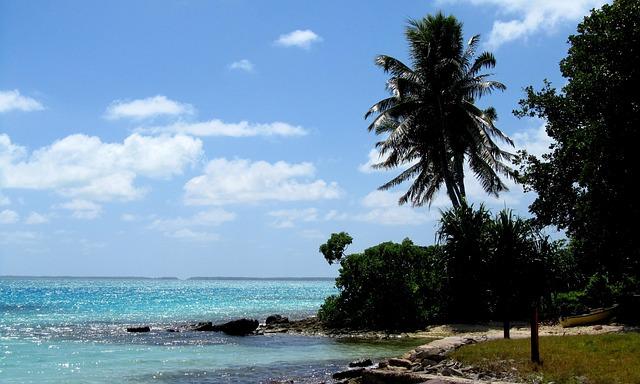
Waiting for the Tide to Turn: kiribatis Fight for Survival
As rising sea levels threaten to submerge the low-lying island nation of Kiribati, the urgency for action has never been greater. In a region often overlooked by global powers, the people of Kiribati face an existential crisis fueled by climate change-a phenomenon many consider one of the most pressing challenges of our time. With predictions indicating that vast portions of their land could be underwater within decades, residents are not merely waiting for the tide to turn; they are actively advocating for their survival on the international stage. This article delves into the stories of Kiribati’s inhabitants, their struggles and resilience, and the broader implications of their fight for survival in a world grappling with environmental and social justice. As they seek to protect their homeland and cultural identity, the plight of Kiribati serves as a stark reminder of the urgent need for global cooperation in addressing the climate crisis.
Kiribati Faces Existential Threat From Rising Seas and Climate Change
The picturesque chain of islands that make up Kiribati finds itself at a critical crossroads as climate change unleashes its devastating effects. Rising sea levels, exacerbated by global warming, have begun to engulf these low-lying atolls, threatening the very existence of a nation with a population of over 100,000. With the highest point above sea level barely reaching two to three meters, the consequences are alarmingly tangible. Coastal erosion, saltwater intrusion, and increasingly severe weather events have rendered traditional ways of life unsustainable, compelling residents to adapt and confront the harsh realities of their disappearing homeland. Key challenges include:
- Displacement of communities: Many families are already relocating from eroded areas.
- Threats to freshwater supplies: Increased salinity is jeopardizing access to clean water.
- Loss of agricultural land: Saltwater has rendered previously arable land unusable.
The government of Kiribati is not standing idly by; it has embarked on a multifaceted strategy to combat these existential threats. Initiatives focus on fortifying coastal defenses, exploring options for migration, and securing international financial assistance to enhance resiliency.The nation’s innovative strategies include investing in sustainable practices to improve food security and collaborating with global partners to advocate for climate justice. Local leaders are urging the international community to recognize their plight, emphasizing that preventing further climate-related catastrophes is not just an issue for Kiribati, but a collective responsibility that reflects on humanity’s commitment to safeguarding vulnerable nations. Central to this advocacy are:
- Global awareness campaigns: Raising consciousness about the plight of island nations.
- Climate adaptation projects: Strategies geared towards building resilience against ongoing environmental changes.
- Legal advocacy: Engaging with international laws to demand accountability from major polluters.
Community Resilience and Innovative Solutions in the Blueprint for Survival
The challenges faced by the people of Kiribati in the face of rising sea levels demand not only resilience but also innovative strategies tailored to their unique surroundings.As traditional livelihoods such as fishing and agriculture are increasingly threatened, communities have begun to explore option means of survival that emphasize sustainability and local resources. Noteworthy initiatives include:
- Community-led Reforestation: Planting mangroves along coastlines has not only provided natural barriers against storm surges but also restored marine ecosystems essential for local fisheries.
- Rainwater Harvesting Systems: With limited access to freshwater, households are implementing rainwater capture systems to ensure a consistent supply of clean water, reducing dependency on imported sources.
- Eco-kind Agriculture Techniques: Residents are adopting innovative farming methods that use limited land efficiently, such as vertical gardens and hydroponics, which maximize yield while minimizing environmental impact.
Furthermore,collaboration among local leaders,NGOs,and international agencies has sparked a surge of creative problem-solving. This coalition is committed to developing robust disaster response plans that prioritize community engagement and education. By fostering a culture of preparedness, the people of Kiribati are not just waiting for external help; they are actively participating in shaping their future. As they embrace new technologies and sustainable practices, they serve as a model for othre vulnerable nations grappling with similar existential crises, turning adversity into an prospect for innovative growth.
Call to Action: Global Responsibility in supporting Island Nations Amid Crisis
The ongoing struggle of island nations like Kiribati highlights the urgent need for global solidarity and action. As rising sea levels threaten their very existence, we must recognize our shared responsibility to support these vulnerable communities. The international community is called upon to address climate change as an existential threat, not just for island nations but for the planet as a whole. This is a pivotal moment that demands collaboration and commitment to sustainable solutions. We must:
- Advocate for policy changes that prioritize climate resilience and adaptation funding for island nations.
- Invest in renewable energy projects that can definitely help diversify local economies and reduce reliance on imported fossil fuels.
- Promote awareness of the cultural and ecological significance of these nations while emphasizing their plight on global platforms.
- Engage local and indigenous leaders in the decision-making process to ensure that solutions are culturally appropriate and effective.
As we navigate this complex crisis, it is essential to unite our voices and actions in support of those on the frontlines of climate change. The challenges facing Kiribati and similar nations serve as a reminder that our global interdependence requires proactive measures, compassion, and immediate action. Each one of us has a role in fostering a future were vulnerable island nations can thrive rather than merely survive. By amplifying their voices and advocating for impactful policies, we can turn the tide and create a more equitable world.
The Conclusion
As Kiribati grapples with the existential threats posed by climate change, the resilience of its people shines through in their unwavering determination to secure a future. With rising sea levels threatening to engulf their homeland, the nation stands at a critical juncture, advocating for urgent global action while striving to adapt to an ever-changing environment. The stories of Kiribati’s inhabitants, from farmers adapting to saline soils to young activists raising their voices on international platforms, underscore the pressing need for solidarity in the face of climate adversity. As we await the tide to turn-both literally and figuratively-the plight of Kiribati serves as a poignant reminder of the interconnectedness of our global community and the imperative to act decisively to protect vulnerable nations. In the battle against climate change, the fate of Kiribati will resonate far beyond its shores, calling for collective responsibility to nurture a sustainable future for all.