

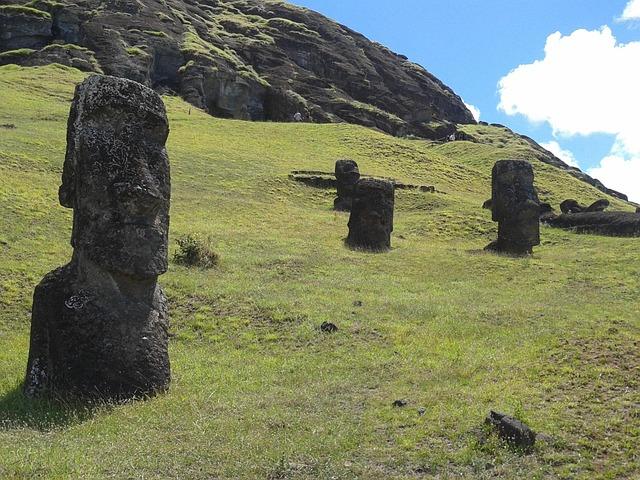
Rapa Nui National Park: A Closer Look at the enigmatic Moai Landscape
in the heart of the South Pacific, the remote island of rapa Nui, commonly known as Easter Island, is home to one of the moast recognizable cultural symbols in the world: the moai. These towering stone figures, crafted by the Rapa Nui people, have long captivated the imaginations of travelers and historians alike. As a UNESCO World Heritage Site, Rapa Nui National Park not only preserves the island’s remarkable archaeological heritage but also plays a crucial role in the ongoing efforts to protect its unique ecosystem. In this article, we delve into the rich history and significance of the moai landscape, exploring how it reflects the unique cultural identity of the Rapa Nui people and the challenges it faces in the modern era. From climate change to tourism management, Rapa Nui National Park stands as a poignant reminder of the delicate balance between cultural preservation and environmental sustainability. Join us as we uncover the stories behind these iconic statues and the innovative strategies being implemented to safeguard this unusual destination for generations to come.
Unveiling the Mysteries of Rapa Nui National Park and Its Iconic Moai
Rapa nui National Park, located on the remote Easter Island, is a UNESCO World heritage site that boasts a captivating blend of cultural heritage and stunning natural landscapes. Covering nearly half of the island, the park is home to approximately 900 moai, the iconic stone figures that have fascinated researchers and tourists alike for decades. The moai, carved from volcanic tuff, represent an artistic achievement of the Rapa Nui people and serve as a testament to their ancestral lineage and spirituality. The largest of these statues stands at an extraordinary 33 feet, weighing over 80 tons, while the smallest moai measures just a few feet tall, highlighting the diverse craftsmanship of the island’s ancient inhabitants.
Visitors to Rapa Nui National Park can embark on various guided tours that delve into the rich history of the moai and the significance of their locations. Key highlights of the park include:
- Ahu Tongariki: The largest ceremonial platform featuring 15 restored moai facing the ocean.
- Rano Raraku: The quarry site where nearly all moai were carved, now an open-air museum rich in archaeological treasures.
- Anakena Beach: A scenic spot where the first king of Rapa Nui, Hotu Matu’a, is said to have arrived, adorned by two moai watching over the coastline.
Exploring the park not only reveals the monumental achievements of the Rapa Nui civilization but also encourages a deeper understanding of the environmental challenges that the island faces today, making it a unique destination for those eager to uncover its mysteries.
Preserving Heritage: The Importance of Sustainability in Rapa Nui’s Tourism
Rapa Nui, famously known for its enigmatic moai statues, faces a delicate balancing act between tourism and environmental preservation. As the influx of visitors grows, so does the challenge of maintaining the integrity of its unique landscapes and cultural heritage. The island’s fragile ecosystem is at risk, with litter, erosion, and infrastructure strain threatening its natural and past landmarks. Sustainability practices are not merely beneficial; they are essential for ensuring that future generations can marvel at the archaeological treasures of Rapa Nui. To combat these challenges, a collective effort is required from local authorities, tour operators, and visitors alike.
Among the measures being proposed are initiatives to promote eco-kind tourism and cultural awareness programs that encourage respect for both the land and its history. key strategies include:
- Implementing visitor limits in sensitive areas to prevent overcrowding.
- Enhancing waste management systems to keep the island clean.
- Educating tourists about the significance of the moai and their cultural context.
- Encouraging local businesses to adopt sustainable practices that benefit the community.
by embracing these sustainable approaches, Rapa Nui can protect its invaluable heritage while welcoming tourists, balancing economic growth with environmental stewardship.
Exploring the moai Landscape: Must-See Sites and Visitor Tips for an Enriching experience
The breathtaking landscapes of Rapa Nui, or Easter Island, are intricately woven with the cultural and historical significance of the moai statues. Visitors to Rapa Nui National Park are encouraged to embark on a journey through time as they explore the iconic sites where these monumental stone figures stand guard over the island. Notable locations include Ahu Tongariki, the largest ahu (ceremonial platform) with 15 moai, and Rano Raraku, the quarry where nearly all moai were carved and which offers insight into ancient carving techniques. The stunning coastal views at Ahu Akivi, where seven moai gaze towards the ocean, provide a unique viewpoint on the spiritual connection between the island’s inhabitants and their ancestors. Each site reveals layers of history and a glimpse into the life of the rapa Nui people, making them essential stops on any visit.
To enhance your exploration of this UNESCO World Heritage site, it is crucial to keep a few tips in mind. First, ensure you stay hydrated and wear comfortable footwear, as many sites require walking and some uneven terrain. Consider visiting early in the morning or later in the afternoon to avoid crowds and soak in the serene beauty of the landscape.Engage with local guides who can offer deeper understanding of the cultural significance behind each statue and site. Lastly, respect the natural and cultural environment by adhering to guidelines, maintaining a distance from the moai, and being mindful of litter. By following these suggestions, visitors can truly appreciate the storied past and breathtaking beauty of Rapa Nui’s moai landscape.
In Summary
Rapa Nui national Park stands as a monumental testament to the ingenuity and spirit of the Rapa Nui people, whose rich cultural heritage is intricately woven into the very fabric of the island’s stunning landscapes. The iconic moai, with their solemn gazes directed toward the sea, not only symbolize the historical significance of the island but also highlight the ongoing challenges of preservation amidst the pressures of tourism and environmental change. As we continue to explore, study, and appreciate this UNESCO World Heritage site, it becomes increasingly vital to advocate for sustainable practices that honor both the land and its cultural legacy. The moai landscape is not just a destination; it is a vibrant narrative that connects past and present, urging us to reflect on the delicate balance between human history and nature. As Rapa Nui navigates its future,the world watches,eager to learn from its lessons of resilience and reverence for heritage.










