

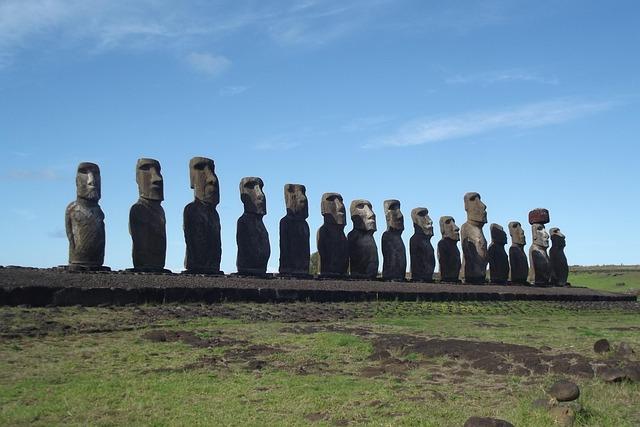
Did the Giant Heads of Easter Island Once Walk? Exploring New Theories on Moai Mobility
easter Island, renowned for its enigmatic moai statues that stand sentinel over the vast Pacific Ocean, has long captivated researchers and tourists alike.These monumental stone heads, crafted by the Rapa Nui people, have been a source of intrigue for scholars seeking to unravel the mysteries of their construction and transportation. Recent studies suggest that these colossal figures may not have been as stationary as previously believed. New theories emerging from interdisciplinary research propose that the moai may have been moved using techniques akin to walking, challenging traditional narratives of their creation and raising fresh questions about the ingenuity of the ancient civilization that crafted them. As scientists delve deeper into the engineering and cultural practices of the Rapa Nui, the potential for a dramatic reimagining of their monumental legacy looms ever larger, inviting a reconsideration of what it means to stand firm against the sands of time.
Exploring the Mysteries of Easter Island’s Moai Statues and Their Construction Techniques
The enigmatic Moai statues of Easter Island, with their oversized heads and enigmatic expressions, have fascinated archaeologists and travelers alike for centuries. New research sheds light on the construction techniques used by the Rapa Nui people, suggesting an advanced understanding of engineering and artistry. studies indicate that these monumental figures were carved from volcanic rock at the Rano Raraku quarry, utilizing tools made from harder stone. The sheer scale of the Moai, some weighing over 80 tons, prompts questions about the methods employed to transport them across the island, notably considering the challenging terrain and limited resources available during the time they were erected.
Emerging theories propose that the moai were not only symbols of ancestral worship but also embodiments of cultural identity, serving as the embodiment of clan leaders. Innovations in transportation may have included sledges and roll methods alongside a carefully orchestrated team of islanders working in unison. This communal effort likely fostered social cohesion and cultural pride, challenging previous notions of individual craftsmanship. As researchers continue to explore archaeological sites and analyze historical records, the possibility that these monumental heads once “walked” using advanced techniques remains a tantalizing element of the Rapa Nui legacy that offers insights into the creativity and resilience of this isolated civilization.
Investigating the Unconventional theories Behind the Mobility of the Giant Heads
The mystery of the colossal heads of Easter Island, or Moai, has long fascinated archaeologists and tourists alike.Recent investigations into their mobility have generated some unconventional theories that challenge traditional understandings. Among these theories, one particularly imaginative suggestion posits that the statues were not merely transported but were capable of movement. Proponents of this idea argue that ancient Rapa Nui may have utilized a sophisticated knowledge of balance and leverage, turning the Moai into giant, swaying figures that could “walk” across the landscape. These theories push the boundaries of current archaeological thought, opening up discussions about the lost engineering acumen of the island’s inhabitants.
Supporting this claim are tales passed down through generations, recounting rituals that involved animating these statues. Some theorists suggest that the Rapa Nui employed a system of ropes and coordinated manpower that allowed groups of people to synchronize their efforts, effectively mobilizing the Moai in a manner reminiscent of dance. Key elements of this theory include:
- A deep understanding of physics and weight distribution
- Ritualistic practices that may have imbued the statues with cultural significance during movement
- Evidence of worn paths leading from quarry sites to construction sites
While the notion of walking heads may seem far-fetched, it reflects a broader intrigue regarding the technological prowess of ancient civilizations and the rich history embedded in Easter Island’s landscape.
recommendations for Preserving Easter Island’s Cultural Heritage Amidst Ongoing Research
As research into the enigmatic moai of Easter Island continues to unfold, it is imperative that the local community and stakeholders align their efforts to safeguard the island’s rich cultural heritage. Collaborative initiatives between archaeologists, local authorities, and indigenous groups can ensure that the findings contribute positively to the preservation of traditions rather than undermine them. Such partnerships can facilitate thorough documentation of the sites, fostering educational programs that deepen understanding of the island’s history. The inclusion of community voices in these projects can also empower residents to take an active role in heritage management.
Moreover, sustainable tourism practices are essential in protecting Easter Island’s delicate ecosystem and archaeological sites.Efforts should prioritize the creation of visitor guidelines that respect sacred locations while also providing economic benefits to the local population. Initiatives like controlled access to specific sites, alongside investment in infrastructure for education, can cultivate a sense of stewardship among tourists and residents alike. This way, the island not only maintains its cultural significance but can also thrive in a modern context without compromising its unique identity.
In Conclusion
As researchers continue to unravel the mysteries surrounding Easter Island’s iconic moai,the theory that these giant stone heads once “walked” from quarry to ceremonial site adds a engaging layer to our understanding of the island’s rich cultural history. While the precise methods and motivations behind the construction and transportation of these monolithic statues remain subjects of ongoing debate, the insights gleaned from recent studies underscore the ingenuity and adaptability of the Rapa Nui people. As science and storytelling converge, our perception of the past evolves, reminding us that the legacies of ancient civilizations like that of Easter Island are far more dynamic than they may initially appear. Further exploration may yet reveal even more astounding truths about these enduring symbols of human creativity and resilience. As we ponder the mysteries of the moai, one thing remains clear: the island’s history is as compelling and enigmatic as the figures that grace its landscape.










