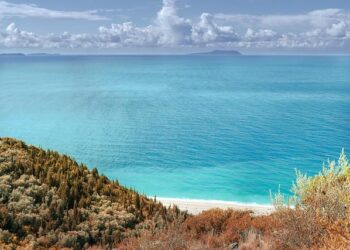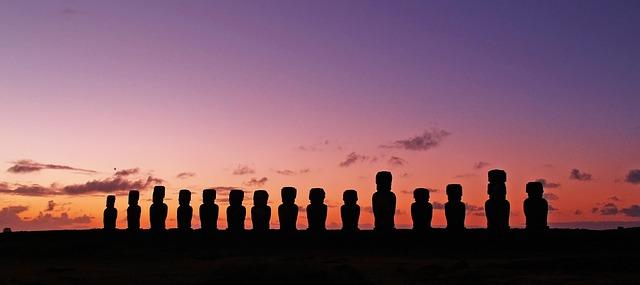
Easter Island, renowned for its iconic moai statues that have captivated the imagination of millions, now faces an unprecedented threat from rising sea levels attributed to climate change. Located in the remote Pacific Ocean, this UNESCO World heritage site is not only a symbol of the island’s rich cultural heritage but also a poignant reminder of the delicate balance between nature and human history. Recent studies show that the island’s coastal areas, where many of the moai stand sentinel, are increasingly vulnerable to erosion and flooding, jeopardizing the very legacy these monolithic figures represent. As global temperatures continue to rise, experts and local authorities are grappling with the urgent need to protect these cherished relics while illuminating the broader implications of environmental change on vulnerable communities worldwide.
Easter Island’s Moai Statues at Risk from Climate Change Prompting Urgent Conservation Efforts
The iconic moai statues of easter Island,known for their enigmatic expressions and profound cultural significance,are facing an unprecedented threat as climate change accelerates the effects of rising sea levels. Located along the coast, many of these ancient monoliths, carved by the Rapa Nui people centuries ago, are increasingly vulnerable to erosion and extreme whether events. Coastal flooding not only threatens the statues themselves but also the archaeological sites and cultural heritage surrounding them, necessitating urgent and comprehensive conservation strategies to preserve this World Heritage site.
Experts argue that immediate action is required to mitigate the impacts of climate change on the moai,with several initiatives being proposed to protect these remarkable structures,including:
- Elevating coastal defenses to safeguard against flooding.
- Implementing sustainable tourism practices to minimize environmental strain.
- Engaging in community-led conservation efforts that empower local residents to take part in preservation.
- Conducting comprehensive research to monitor the effects of climate change on the statues and their surroundings.
As the need for action grows more pressing,collaboration between local government,international organizations,and the Rapa Nui community will be crucial in protecting these invaluable cultural treasures for future generations. The challenge ahead is not only about conserving stone but also about ensuring the survival of a unique cultural identity in the face of a rapidly changing environment.
Rising Sea Levels Erode Heritage Sites on Easter Island Highlighting need for Sustainable Solutions
The iconic moai statues of Easter Island, symbols of a rich cultural heritage, now face an unprecedented threat as rising sea levels begin to erode their bases. Over the past few decades, scientists and local authorities have observed significant coastal changes that adversely impact this UNESCO World heritage site. As the ocean swells encroach upon the island, the consequences include:
- Structural instability of the moai due to tidal erosion
- Increased salinity damaging native vegetation surrounding the statues
- Loss of archaeological context as artifacts are washed away
The urgency for sustainable solutions becomes increasingly apparent as the community grapples with the reality of climate change. Experts are calling for comprehensive strategies that focus on protecting the moai and preserving the island’s delicate ecosystem.Potential initiatives could involve implementing barriers, enhancing beach replenishment efforts, and promoting eco-tourism that emphasizes environmental stewardship. Addressing these challenges collaboratively will be crucial in ensuring that future generations can continue to marvel at the artistry and history embodied in these ancient stone figures.
Collaborative Strategies Essential to Protect Easter Island’s Cultural Treasures Amid Environmental Challenges
As rising sea levels pose an increasing threat to Easter Island’s iconic moai statues, it becomes essential for local communities, government authorities, and international organizations to collaborate effectively in safeguarding these cultural symbols. Engaging the local Rapa Nui population is crucial, as their traditional knowledge and deep cultural connection to the statues can provide invaluable insights into protective measures. Workshops and community meetings should be initiated to foster dialog among stakeholders, ensuring that conservation strategies are culturally relevant and effective.Moreover, leveraging global expertise in archaeological preservation techniques can enhance local efforts, enabling a robust framework for action against environmental challenges.
Implementing a multi-faceted approach is necessary to tackle the diverse threats posed by climate change. This could include the development of sustainable tourism practices that minimize environmental impact while supporting economic resilience for local communities.Additionally, establishing partnerships with research institutions can facilitate continuous monitoring of the sites, allowing for timely interventions in response to observable changes. Funding from international conservation programs may also be pursued to support infrastructure advancements, ensuring that essential protective measures, such as seawalls and drainage systems, are in place. By working cooperatively, different entities can ensure a stronger defense of these irreplaceable cultural treasures against the ravaging forces of nature.
To Conclude
As Easter Island’s iconic moai statues stand sentinel over an increasingly precarious landscape, the looming threat of rising sea levels poses a critical challenge to both the preservation of these cultural treasures and the island’s unique ecosystem. Experts warn that without immediate and coordinated efforts to mitigate climate change and implement protective measures, the statues-symbols of a rich Polynesian heritage-risk erosion and damage from encroaching waters. as stakeholders from local communities to international organizations rally to safeguard this UNESCO World Heritage Site, the future of the moai may depend on our collective response to a crisis that transcends borders. The time for action is now if we are to ensure that these monumental figures continue to inspire generations to come.