

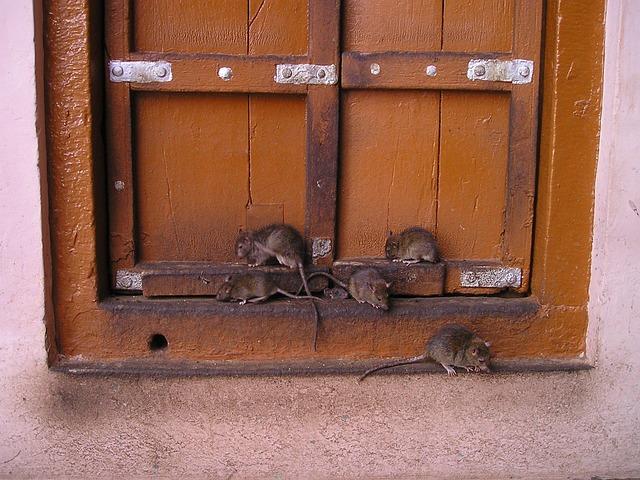
In a groundbreaking study that sheds new light on the environmental history of one of the world’s most remote locations, researchers from Binghamton University have uncovered compelling evidence that rats played a significant role in the deforestation of Easter Island. Known for its enigmatic moai statues and rich cultural heritage, Easter Island, or Rapa Nui, has long been a subject of fascination and speculation regarding its ecological decline. This latest research challenges longstanding beliefs about the island’s environmental challenges, suggesting that the invasive rat population-introduced by Polynesian sailors-was a key factor in the eradication of palm trees and the subsequent collapse of the island’s delicate ecosystem. As scientists continue to unravel the complexities of human impact on the environment, this revelation invites a re-examination of the intricate relationships between species and their habitats throughout history.
Rats as Catalysts of Environmental Change on Easter Island Revealed in New Study
A recent study conducted by researchers at Binghamton University has unveiled the surprising role that rats played in the ecological narrative of Easter Island. These invasive rodents, which arrived with early Polynesian settlers, became a significant factor in the island’s deforestation. The study reveals that rats not only consumed the seeds of essential tree species but also disrupted the natural regeneration process of the island’s unique flora. As a result, the native forests that were once abundant could not withstand the onslaught of these pests, leading to a decline in tree cover, which consequently affected local ecosystems and resources.
The findings of this research highlight the interconnectedness of species within fragile environments. The researchers compiled data indicating the extent of tree loss correlated with rat population growth, illustrating a grim timeline of deforestation. Some key points from the study show:
- Trees affected: Essential species including the Rātea and Toromiro.
- Rat population expansion: Spurred by human activities and settlement.
- Consequences: Decreased biodiversity and habitat loss.
This revelation not only sheds light on the historical ecology of Easter Island but also serves as a cautionary tale regarding the introduction of non-native species and their potential to drastically alter environmental landscapes.
Implications of Rodent-induced Deforestation for Easter Island’s Ecosystems
The recent findings indicate that rats were significant contributors to the ecological degradation of Easter Island, severely impacting the region’s forested areas. As these invasive species proliferated, they not only consumed the native flora but also disrupted the natural regeneration processes of critical plant species. The resulting deforestation has led to a cascade of ecological consequences that can be categorized as follows:
- Loss of Biodiversity: The extinction of native plant species has diminished habitat availability for numerous native fauna.
- Soil Erosion: Without the root systems of trees to anchor the soil, increased erosion has resulted in sedimentation of nearby water bodies.
- Altered Climate Regulation: The loss of forest cover has led to changes in local microclimates, impacting both temperature and humidity levels.
Furthermore, the economic ramifications are substantial, as deforestation can affect local agriculture and tourism, two pillars of the island’s economy. The decline in native vegetation directly affects the island’s ability to sustain crucial resources such as fresh water and fertile soil. This situation is further complicated by the social aspects, as communities that rely on these resources face challenges in maintaining their traditional ways of life. To illustrate the current status of Easter Island’s ecosystems, consider the following table:
| Impact | Description |
|---|---|
| Flora Loss | Over 50% of original tree species have disappeared. |
| Wildlife Threats | Potential extinction of several bird species native to the island. |
| Water Quality | Increased sedimentation has deteriorated freshwater ecosystems. |
Strategies for Conservation: Lessons Learned from the Impact of Invasive Species
The findings from the recent study reveal that invasive species, particularly rats, have profoundly affected the ecosystems of Easter Island, leading to significant deforestation. As research indicates, rats are not mere pests; their impact on flora has been catastrophic. The following strategies can be drawn from this study to guide future conservation efforts:
- Early Detection and Rapid Response: Timely identification of invasive species is crucial. Implementing monitoring systems can help in detecting their presence before they establish dominance.
- Community Engagement: Involving local populations in conservation efforts fosters a collective approach, spreading awareness about the ecological impact of invasive species.
- Restoration of Native Flora: Post-removal of invasive species, replanting native vegetation is vital to restoring the ecological balance. This also aids in creating natural barriers against further invasions.
- Collaborative Research: Ongoing studies, like that of Binghamton University, should be prioritized to understand historical impacts of invasive species and to develop practical conservation strategies.
To effectively implement these strategies, a collaborative framework among researchers, local communities, and policymakers is essential. The table below highlights some notable interventions that have succeeded in other environments and could be adapted for Easter Island:
| Intervention Strategy | Location | Outcome |
|---|---|---|
| Rodent Control | New Zealand | Significant recovery of native bird populations |
| Reforestation Programs | Hawaiian Islands | Reestablishment of endemic plant species |
| Ecological Monitoring | Galápagos Islands | Improved biodiversity assessments |
Concluding Remarks
In conclusion, the findings from Binghamton University’s study illuminate a previously underappreciated facet of Easter Island’s ecological history, revealing the profound impact of invasive species on environmental change. The research underscores the critical role that introduced rats played in the island’s deforestation, challenging long-held beliefs about the causes of ecological devastation in this remote location. As scientists continue to unravel the complex interactions between humans and the environment, this study serves as a poignant reminder of the delicate balance that exists in ecosystems. Future conservation efforts may benefit from these insights, highlighting the importance of maintaining biodiversity and managing invasive species to prevent similar environmental tragedies. As we move forward, it becomes ever more essential to learn from the past to safeguard the future of our planet’s diverse habitats.










