Rapa Nui Mystery: Unraveling the Enigma of Easter IslandS Moai Statues
Located in the remote reaches of the South Pacific, Easter Island, or Rapa Nui, has long captivated the imaginations of historians, archaeologists, and travelers alike. renowned for its striking Moai statues-monolithic figures crafted from volcanic rock-this tiny island is steeped in mystery, drawing questions about the purpose, construction, and significance of these iconic creations. As research continues to unveil new insights into the culture that produced these giants, the story of the Moai serves as both a testament to human ingenuity and a cautionary tale about resource management and societal collapse. In this edition of Reality Check, we delve deep into the enigma of the Moai statues, exploring the latest findings and theories that seek to piece together the complex narrative of Rapa Nui’s past. Join us as we investigate the enduring allure of these monumental figures and what they reveal about a civilization that once thrived in isolation.
Understanding the Cultural Significance of Moai Statues in Rapa Nui heritage
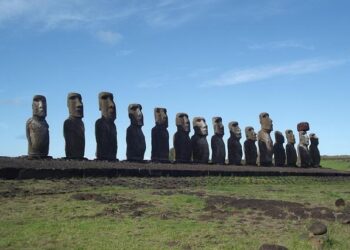
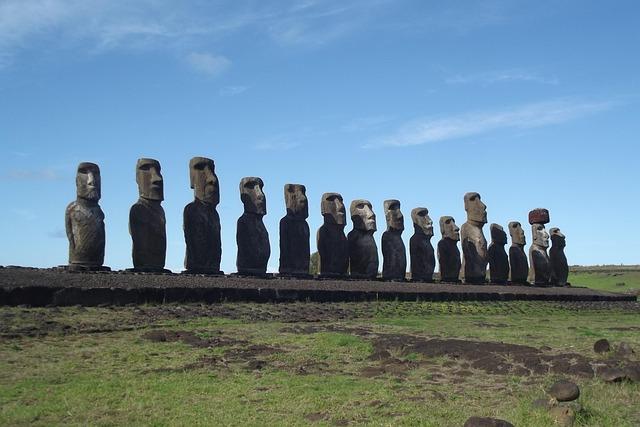
The Moai statues of Rapa Nui, commonly known as Easter Island, are emblematic of the island’s rich cultural tapestry and historical narrative.These monumental figures, sculpted primarily between 1400 and 1650 CE, are believed to represent the ancestral figures of the island’s clans, serving both as spiritual conduits and symbols of power. The unique design and positioning of the Moai-often overlooking the island’s villages-reflect a society where lineage and ancestral reverence played a critical role in social structure. The careful crafting and transportation of these statues, some weighing several tons, underscore the complexity of Rapa Nui’s social institution and the collective effort required to realize such grand artistic visions.
In addition to their artistic merit, the Moai embody critical themes of environmental stewardship and resilience.As the population of Rapa Nui grew, the demand for resources intensified, which ultimately contributed to ecological challenges, such as deforestation. This historical narrative serves as a poignant reminder of the delicate balance between cultural expression and environmental sustainability. Today, the Moai remain a profound symbol of Rapa Nui’s identity, encapsulating the struggles and triumphs of its people, and offering vital lessons on the importance of ecological consciousness in maintaining cultural heritage for future generations.
Unraveling the Engineering Marvels Behind the Construction of Easter Island Statues
The iconic Moai statues of Easter Island have long captivated both tourists and scholars alike, leaving many to ponder the techniques employed by the Rapa Nui people in their creation and transport. Recent studies highlight the innovative engineering methods that were crucial in moving these giant stone figures, some weighing over 80 tons. It appears the islanders utilized a combination of simple tools, teamwork, and a profound understanding of their environment to accomplish this remarkable feat. Theories suggest that they carved the statues using stone chisels, leveraging the island’s volcanic ash, and then transported them using a system of ropes and perhaps even sledges made from logs.
one compelling aspect of this endeavor is the community effort that was likely involved in both the construction and relocation of the Moai. It’s believed that hundreds of workers, organized into teams, would coordinate their movements to depict the statues walking upright, a technique that could revolutionize our understanding of pre-contact engineering. Archaeological evidence indicates that the Rapa Nui not only mastered the logistics of creating these monolithic sculptures but also understood the cultural significance of the Moai, which served as representations of ancestors and were placed strategically to oversee the communities.this intermingling of functionality and spirituality underscores the sophistication of Rapa Nui civilization, revealing a narrative of resilience and ingenuity amidst the island’s challenging resources.
Preserving Easter Island’s Moai: Strategies for Sustainable Tourism and Cultural Integrity
The iconic Moai statues of Easter Island, or Rapa Nui, stand as a testament to the island’s rich cultural heritage and historical significance. As tourism continues to grow, balancing visitor engagement with the preservation of these cultural treasures is a pressing challenge. Sustainable tourism models are being explored to ensure that the influx of travelers does not compromise the integrity of the island’s historic sites. Key strategies that have been proposed include:
- Limiting visitor numbers: implementing caps on daily visitors to sensitive sites helps reduce wear and tear on the Moai and surrounding environments.
- Education and awareness programs: Informing tourists about the cultural significance of the Moai and the impacts of their actions can foster more respectful interactions.
- Community involvement: Engaging local communities in tourism management can ensure that economic benefits are shared and cultural practices are respected.
Moreover,integrating modern technology can enhance both the visitor experience and conservation efforts. Augmented reality applications can provide interactive learning experiences while minimizing physical impact on the sites.In addition, investing in infrastructure to support these initiatives not only preserves the Moai but also enhances the overall experience for tourists. Collaborative efforts between local authorities, conservationists, and tourism operators are crucial for establishing a framework that prioritizes cultural integrity while promoting sustainable economic growth.
Future Outlook
the mystery of the Moai statues of Rapa nui continues to captivate researchers, historians, and curious minds alike. As new archaeological discoveries emerge and technologies advance, our understanding of these monumental figures-their construction, transportation, and the cultural significance to the rapa Nui people-continues to evolve. While many questions remain unanswered, the ongoing exploration into the past of Easter Island not only sheds light on the creators of these iconic statues but also offers a poignant reflection on the complexities of human civilization.As we strive for clarity amid the enigma, the story of the Moai serves as a powerful reminder of the enduring relationship between humanity and its environment. Stay tuned to Reality Check for further updates and insights as this captivating narrative unfolds.