Exploring the Enigma: A Look into “Mysteries of Easter Island” (2002)
As one of the most remote inhabited islands in the world, Easter Island has long captivated the imagination of scholars, travelers, and filmmakers alike. In 2002, a documentary titled “Mysteries of Easter Island” was released, shedding light on the island’s iconic moai statues and the rich, yet enigmatic cultural heritage of the Rapa Nui people. Directed with an eye for detail and a passion for storytelling, the film delves into the island’s archaeological wonders and the various theories surrounding the rise and fall of its ancient civilization. as audiences continue to seek answers to the island’s many riddles, this documentary remains a crucial part of the ongoing dialog about human adaptation, environmental change, and the legacy of one of the world’s most intriguing locales.In this article, we revisit the film’s key themes, its impact on public understanding of Easter Island, and why it remains a significant piece of cinematic exploration into one of history’s greatest mysteries.
Exploring the Enigmatic Monuments of Easter Island and Their Cultural Significance
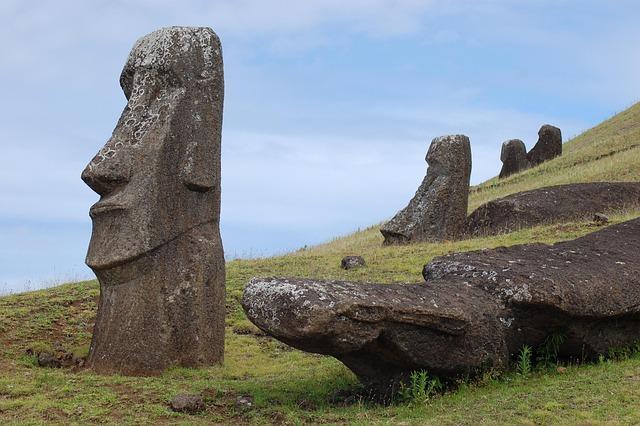
The dramatic landscapes of Easter Island, or Rapa Nui, are dominated by the majestic moai statues, each a testament to the ingenuity and cultural depth of its Polynesian inhabitants. Thes towering figures, often crafted from volcanic tuff and weighing several tons, embody the ancestral spirits and leadership of the island’s early civilization. The painstaking dedication to carving and erecting these monuments reveals a complex social structure, where artistry was intertwined with religious and political life.Evidence suggests that the construction and transportation of the moai required not just remarkable engineering skills but also a unified community effort, highlighting the collaboration and organization of Rapa Nui society.
cultural significance extends beyond the statues themselves; they serve as a poignant reminder of the island’s environmental and social challenges. The moai’s positioning on the island, facing inland towards the villages, symbolizes the connection between the ancestors and the living community. As researchers continue to unravel the mysteries surrounding their purpose and the eventual decline of moai construction, the stories of deforestation and resource depletion reveal critical lessons about sustainability and resilience. Today,these monuments are not only prized archaeological treasures but also a focal point for discussions about heritage preservation,making them a vital part of global conversations on culture,history,and identity.
Delving into the Theories Surrounding the Disappearance of the Rapa nui Civilization
The disappearance of the Rapa Nui civilization continues to captivate researchers, with various theories attempting to unravel this historical enigma. Among the most popular explanations is the deforestation hypothesis, which argues that the extensive logging of palm trees lead to ecological collapse. This theory suggests that as the Rapa Nui people cleared forests to make way for agriculture and to facilitate the transportation of their famed moai statues, they inadvertently set in motion a chain reaction of soil erosion and declining resources, which ultimately contributed to their society’s downfall. Additional support for this theory comes from archaeological findings showing a significant reduction in tree pollen over time, indicating a drastic environmental change.
Another compelling outlook is the intrinsic factors hypothesis. This theory points to societal strife and internal conflict as primary drivers behind the civilization’s decline. Evidence suggests that as resources became scarce, competition intensified among clans, leading to warfare and food shortages. The monumental constructions that once symbolized prosperity may have turned into burdens, as communities struggled to support their efforts. Furthermore, the introduction of new visitors and foreign diseases may have exacerbated the challenges the Rapa Nui faced, resulting in demographic shifts that strained their social structure. The interplay of these factors raises profound questions about the sustainability of civilizations and the lessons they hold for modern society.
Uncovering the Cinematic Approach of Mysteries of Easter Island and Its Impact on Global Awareness
The documentary “Mysteries of Easter Island” (2002) presents a compelling cinematic approach that intertwines breathtaking visuals with in-depth analysis of one of the world’s most enigmatic locations. Through stunning drone footage and immersive storytelling, the film captures the allure of the isolated island, showcasing its iconic moai statues and lush landscapes. By blending expert interviews and archaeological explorations, the filmmakers succeed in bringing to life the rich history and cultural significance of Easter Island, also known as Rapa Nui. This artistic endeavor not only enhances the viewer’s thankfulness for the island’s heritage but also engages them in a broader conversation about environmental sustainability and cultural preservation.
The impact of this documentary on global awareness extends far beyond its runtime. As audiences are drawn into the mysteries of Easter Island, they are prompted to reflect on pressing issues such as environmental degradation and the responsibilities of modern society toward ancient cultures. the film undertakes to educate its viewers about:
- The ecological challenges faced by Easter Island, including deforestation and resource depletion.
- The cultural significance of the moai monuments and the stories they tell about the island’s inhabitants.
- The imperative of cultural preservation in a rapidly changing world.
By fostering a sense of connection to this remote island and its challenges, the documentary serves as a catalyst for discussions on conservation and the importance of safeguarding our planet’s diverse histories.
Key Takeaways
“Mysteries of Easter island” (2002) stands as a compelling documentary that delves deep into the enigmatic history and cultural significance of one of the world’s most isolated inhabited islands. Through expert interviews, stunning visuals, and thorough historical analysis, the film invites viewers to explore the rise and fall of the Rapa Nui civilization and the iconic moai statues that continue to captivate the imagination. As new archaeological discoveries and research methods emerge, the quest to understand the complexities of life on Easter Island remains as pertinent today as it was in the past. For audiences seeking both enlightenment and intrigue,this documentary is a remarkable entry point into the multifaceted saga of a remote island that has sparked wonder and debate for generations. As we ponder the secrets of Easter Island, it is clear that its mysteries have not only shaped its own narrative but also resonate with themes of sustainability and cultural resilience that are increasingly relevant in our modern world.