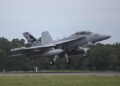
In an era marked by shifting geopolitical alliances and escalating security concerns, the strategic positioning of U.S. military forces in Europe remains a focal point of international relations. This article delves into the current deployments of American troops across the continent, exploring their roles, locations, and the broader implications for NATO and European security. With tensions heightened by Russia’s aggressive posture and ongoing commitments to collective defense, understanding were U.S. forces are stationed is crucial for grasping the dynamics of transatlantic security cooperation. as the landscape of military presence evolves, we examine the past context, operational readiness, and the potential impacts of these deployments on global stability. join us as we navigate the complexities of military strategy and its significance in a rapidly changing world.
Current Locations and Missions of U.S. Military Forces in Europe
The U.S. military presence in Europe has evolved in response to changing geopolitical dynamics and security challenges. As of now,approximately 60,000 American service members are stationed across various countries,contributing to regional stability and NATO’s collective defense strategy.Key locations include:
- Germany: The largest contingent, with bases such as Ramstein Air Base and Stuttgart, serving as critical hubs for operations and logistics.
- Italy: Hosts naval forces and elements of the Air Force, with notable installations in Naples and Aviano Air Base.
- United kingdom: Home to U.S. Air Force units at RAF Lakenheath and RAF mildenhall, providing support for air operations across Europe.
- Poland and the Baltic States: Increasingly significant for NATO’s eastern flank, with rotational deployments enhancing deterrence against potential threats.
These forces partake in a range of missions, from training exercises with allied forces to real-world operations that bolster NATO readiness. Recent deployments have focused on:
- joint exercises aimed at improving interoperability among NATO allies and enhancing collective defense capabilities.
- Humanitarian assistance and disaster relief operations, underscoring the U.S.commitment to regional stability.
- Countering hybrid threats and increasing U.S. military presence in response to rising tensions, notably in Eastern Europe.
Strategic Implications of Deployments in Response to Regional Security Threats
The deployment of U.S.military forces in Europe serves as a critical component of the broader strategy to deter regional security threats, particularly in light of shifting geopolitical landscapes. By positioning troops and resources in key locations, the United States aims to demonstrate its commitment to NATO allies and enhance collective defense mechanisms. These deployments are not merely reactive; they are ingrained in a proactive strategy to address potential flashpoints before they escalate into larger conflicts. The presence of U.S. forces in Europe facilitates immediate readiness and operational flexibility, essential for responding to contingencies such as aggression in eastern Europe or instability in the Balkans.
Understanding the implications of these military deployments involves recognizing various factors that influence U.S. strategy. Key considerations include:
- Regional Alliances: Strengthening partnerships with NATO allies to foster unity and shared responsibilities in defense strategies.
- Deterrence Posture: Maintaining a credible deterrent against adversarial moves by state actors, particularly Russia, which has been increasingly assertive in areas like Ukraine and the Baltic states.
- Crisis Response Capabilities: Enhancing the ability to swiftly respond to humanitarian crises or military escalations, thereby safeguarding stability across Europe.
Investment in bases, joint training exercises, and technology sharing further underscores the multifaceted approach the U.S. takes to ensure that its deployments remain effective and relevant amidst evolving regional dynamics.
Enhancing readiness and Cooperation: Recommendations for Future U.S. Engagement in Europe
To enhance military readiness and foster stronger cooperation with European allies, the United States should focus on a multi-faceted approach that emphasizes joint training exercises and strategic resource allocation. Increased funding for cooperative defense programs can ensure that both U.S. and NATO forces are prepared for potential threats. This could include:
- Regularly scheduled joint training exercises simulating various conflict scenarios.
- Enhanced intelligence-sharing frameworks among allied nations.
- Upgraded technology and equipment compatibility to streamline operations during joint missions.
Moreover, deepening bilateral partnerships through military-to-military exchanges will build trust and facilitate better operational integration. By promoting initiatives such as:
- Rotational deployments of U.S. troops in Eastern Europe to deter aggression from russia.
- Establishing permanent bases in strategic locations to demonstrate commitment.
- Engaging with European nations on cyber defense and counter-terrorism efforts.
these measures will ensure a robust U.S. presence while reinforcing the strength of NATO as a collective security entity.
Concluding Remarks
the deployment of U.S.military forces across Europe reflects a complex blend of strategic partnerships, regional security challenges, and evolving geopolitical dynamics. As the landscape of international relations continues to shift, the presence of American troops in various nations serves not only as a deterrent against potential aggression but also strengthens the collective defense posture of NATO allies. With ongoing tensions in Eastern Europe and the need for a unified response to emerging threats, the role of U.S. forces is likely to remain pivotal. As policymakers assess future commitments, understanding the scope and impact of these deployments will be essential for navigating the intricacies of global military strategy and fostering stability in the region. The engagement of U.S. military personnel in europe is more than a historical legacy; it represents a continued commitment to collaboration, security, and mutual defense in a rapidly changing world.