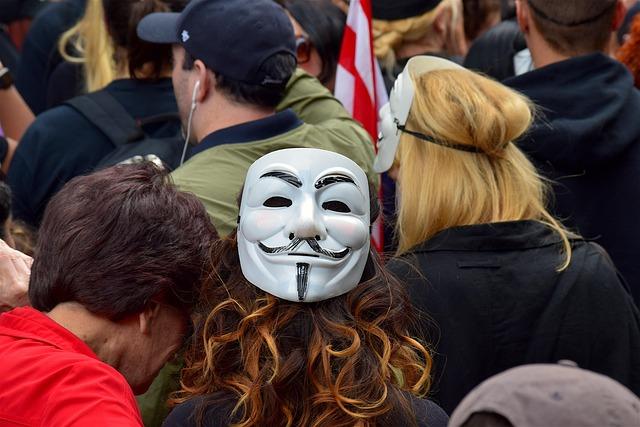
serbia is witnessing an escalating wave of dissent as protesters gather in cities across the country to call for a boycott of the upcoming Eurovision Song Contest, which is set to feature Israel among its participants. Demonstrators are expressing thier solidarity with the Palestinian cause,urging the Serbian government and the public to reconsider their engagement with the event in light of ongoing geopolitical tensions.The protests have not only highlighted the intersection of culture, politics, and public sentiment but have also sparked a wider conversation about the responsibilities of international artistic events in times of conflict. This article delves into the motivations behind the protests, the reactions from various stakeholders, and the implications for Serbia’s cultural landscape as the Eurovision contest approaches.
Serbian Protesters Demand Action Against Israel’s Eurovision Participation
In a notable display of solidarity with the Palestinian cause, thousands of Serbian protesters took to the streets of Belgrade, voicing their discontent over Israel’s participation in the upcoming Eurovision Song Contest. The demonstrators, equipped with banners and placards, rallied outside the serbian Broadcasting Corporation, demanding the country’s officials to reconsider their stance on this year’s event.The protesters emphasized their call for a Eurovision boycott, highlighting the perceived injustices faced by Palestinians and drawing attention to ongoing conflicts in the region.
Attendees at the protest expressed a unified message,emphasizing several key points:
- Solidarity with Palestine: Participants underscored their support for Palestinian rights,linking their protest to broader movements for justice and equality.
- Critique of Israeli Policies: Protesters condemned Israeli government actions, especially those related to military operations and settlement expansions, framing thes as meaningful factors behind their call for a boycott.
- Impact of Cultural Events: Many speakers argued that platforms like Eurovision should not be exploited for political propaganda and should stand against human rights violations.
The protests culminated in the delivery of a petition to government officials,urging a reevaluation of Serbia’s involvement and a commitment to human rights principles in cultural celebrations.
Calls for Solidarity in Cultural Boycotts Resonate Across the Region
Growing waves of protest have surfaced throughout the region, sparked by recent events surrounding the Eurovision Song Contest. Activists in Serbia have taken a vocal stand,urging for a cultural boycott in response to Israel’s participation. Organizers, citing concerns over social justice, are emphasizing the importance of solidarity with marginalized communities. Their call resonates deeply, aiming to bring attention to wider issues of human rights and the ongoing tensions in the Middle East.
Protesters are not alone in their efforts; numerous local and regional artists have joined the movement, highlighting the role of art in advocating for change. The boycott aims to leverage the significant visibility of the Eurovision platform to reflect solidarity with Palestinian voices.Key points of the initiative include:
- Advocating for a respectful dialog on cultural representation
- Fostering awareness about the socio-political climate in the region
- Encouraging other countries to reconsider their participation in events that might undermine social justice principles
Implications for Eurovision and Future Political Engagement in Europe
The recent protests in Serbia calling for a boycott of Eurovision due to israel’s participation highlight a growing trend of politicization in cultural events across Europe. As this iconic song competition has historically served as a platform for unity and celebration of diversity, it is indeed becoming increasingly entangled with geopolitical issues and national sentiments. This situation raises critical questions about the boundaries between political expression and artistic representation, as well as what it means for the future of eurovision amid rising tensions. It suggests that the event is no longer just about music; rather, it is now seen as a stage for broader conversations on human rights and international relations.
as political engagement continues to surge within European cultural contexts, we might witness a shift in how audiences and participants approach future competitions. The impact of grassroots movements, such as the one seen in Serbia, coudl lead to increased scrutiny of participating nations and their policies, possibly resulting in calls for solidarity with various activist causes. The implications are twofold: on one side, countries may find themselves pressured to take stances on contentious issues, while on the other, the Eurovision brand could either evolve to embrace these discussions or face backlash as a symbol of political apathy. Potential outcomes may include:
- Heightened political activism within the artistic community.
- Challenges to the neutrality that Eurovison has traditionally upheld.
- Increased polarization among audiences,affecting viewership and participation.
Future Outlook
the call for a boycott of the Eurovision Song Contest by protesters in Serbia highlights the complex interplay of culture, politics, and international relations. As activists voice their dissent against Israel’s participation, the controversy surrounding the event reflects broader tensions within the region. This movement not only aims to influence public sentiment but also seeks to draw attention to ongoing issues that resonate beyond the borders of Serbia. As Eurovision approaches, the implications of this protest are likely to reverberate through the contest, prompting discussions among fans, participants, and the international community about the intersection of entertainment and political advocacy. The developments in Serbia serve as a reminder of the powerful role that art and culture can play in shaping social movements and international discourse.