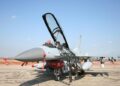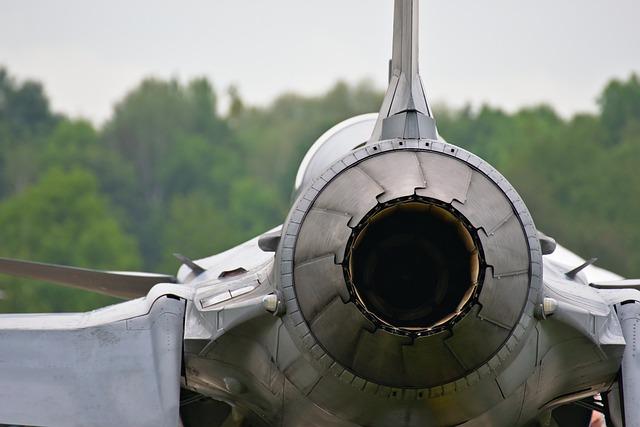
In a decisive response to escalating tensions in Eastern Europe, Romania has deployed F-16 fighter jets following a recent Russian drone strike that targeted civilian infrastructure.This deployment marks a significant development in the region’s ongoing security crisis and underscores romania’s commitment to defending its airspace amid fears of an expanding conflict. As the geopolitical landscape shifts, the move highlights the growing concerns of NATO allies over potential Russian aggression and the need for a unified defense strategy in the face of threats to regional stability. The incident has drawn international attention, prompting discussions about the implications for security and diplomacy in a volatile region.
Romania Strengthens Air Defense Posture Amid Rising Security Concerns in the Black Sea Region
In response to escalating tensions in the Black Sea region, romania has taken a decisive step by deploying F-16 fighter jets to bolster its air defense capabilities. This move follows a recent Russian drone strike that targeted civilian infrastructure, raising alarms about the potential for further aggression. Military officials emphasized that the deployment aims not only to enhance national security but also to reassure NATO allies of Romania’s commitment to collective defense. The F-16s will be stationed at air bases strategically located near the black sea coast, allowing for rapid response if the situation deteriorates further.
The Romanian government is prioritizing military readiness amid these security concerns, which have been compounded by Russia’s increasing military activities in the region. Analysts point out that the integration of the F-16s into Romania’s air force will provide enhanced surveillance and interception capabilities, essential for deterring future threats. Key aspects of this strengthened air defense posture include:
- Enhanced aerial patrols to monitor airspace and respond swiftly to potential incursions.
- Increased joint exercises with NATO forces to improve coordination and readiness.
- Upgraded communication systems for real-time intelligence sharing among allied forces.
Analysis of the Strategic implications of F-16 Deployment in Response to increased Russian Aggression
The deployment of F-16 fighter jets by romania marks a significant shift in the regional security landscape, especially in the context of escalating tensions with Russia. As NATO allies grapple with the implications of increasing aggression from Moscow, the introduction of advanced air capabilities serves multiple strategic purposes. Firstly, it enhances Romania’s defensive posture, providing a robust deterrent against potential incursions. The F-16s represent a commitment to military readiness and signal Romania’s dedication to fulfilling its obligations within the NATO framework. By augmenting its aerial capabilities,Romania not only reassures its citizens but also sends a clear message to the Kremlin regarding the unyielding nature of its sovereignty and territorial integrity.
Moreover, this move intertwines with broader geopolitical considerations, as it integrates Romania more closely into NATO’s collective defense strategy. The F-16s enable Romania to participate in joint operations and enhance interoperability with allied forces, bolstering regional stability. Key implications of this deployment include:
- Strengthening deterrence against further Russian incursions into Eastern Europe.
- Facilitating intelligence sharing and joint training exercises with NATO allies.
- Encouraging other Eastern European nations to bolster their military capabilities in response to similar threats.
As the context evolves, the successful integration of these aircraft into Romania’s defense strategy may shape the future of NATO’s eastern flank, indicating a proactive approach to maintaining peace and security in the region amidst rising tensions.
Recommendations for Enhancing Regional Stability Through Collaborative Defense Initiatives
The recent deployment of F-16 fighter jets by Romania in response to a Russian drone strike underscores the urgent need for increased collaborative defense measures among regional partners. In light of escalating threats, it is indeed imperative for nations to prioritize joint military exercises and intelligence sharing, which can considerably enhance response capabilities.By participating in coordinated training operations, countries can not only improve interoperability among their forces but also foster a deeper trust and understanding of each other’s strategic objectives. Such initiatives can serve as a deterrent against aggressive actions and increase the collective defense posture in Eastern Europe.
Moreover,engaging in multilateral defense pacts and establishing rapid-reaction forces can further bolster regional security. Collaborations should extend beyond conventional military alliances to include various sectors such as cybersecurity and counter-terrorism. Nations may also consider joint defense procurement programs to ensure that they are not only maximizing their resources but also standardizing equipment and capabilities. By investing in innovative defense technologies and developing cohesive strategies, regional partners can build a more resilient shield against threats, effectively contributing to long-term stability in the region.
In Conclusion
In the wake of escalating tensions in the region and following a recent Russian drone strike on civilian infrastructure, Romania’s decision to deploy F-16 fighter jets underscores its commitment to safeguarding national security and regional stability. This decisive action not only highlights romania’s enhanced military readiness but also signals a broader commitment among NATO allies to deter aggression and protect their shared democratic values. As the situation continues to evolve, the international community watches closely, reminding us of the critical importance of unified responses to threats that challenge the peace and security of nations. The implications of these developments will undoubtedly resonate beyond Romania’s borders, shaping the geopolitical landscape in Eastern Europe for the foreseeable future.