

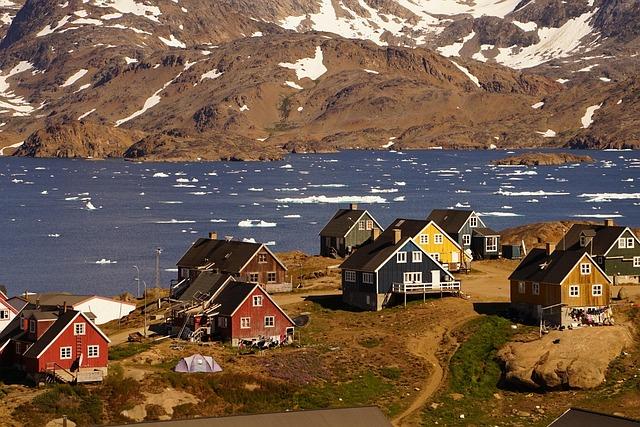
In a remote corner of the Arctic, where icebergs drift alongside age-old traditions, the Inuit communities of Greenland have embarked on a decades-long journey toward self-determination.As the world’s attention increasingly turns to the geopolitical significance of the Arctic, these Indigenous peoples are advocating for their rights, culture, and sovereignty in the face of climate change and globalization.This article explores the complex intertwining of identity, governance, and heritage as Greenland’s Inuit navigate a path toward autonomy. From ancient struggles rooted in colonialism to contemporary political movements, we examine how this resilient community is shaping its future amid both local challenges and global forces.
Inuit Struggles for Sovereignty: A Deep Dive into Greenland’s Quest for Autonomy
Greenland’s Inuit population has long been at the forefront of advocating for self-determination, a struggle deeply rooted in their desire to reclaim autonomy over their land and culture. The push for sovereignty gained momentum in the latter half of the 20th century, evolving through several notable milestones. Key developments include:
- home Rule Act (1979): This legislation marked the beginning of self-governance for Greenland, granting the local government authority over most domestic affairs.
- Self-Government Act (2009): Building on the Home Rule Act, this law emphasized the right of the people to self-determination and provided further powers to the Greenlandic government.
- Continued Demands for Independence: Despite these advancements, many Inuit leaders assert that true autonomy has yet to be realized, pushing for greater control over natural resources and international relations.
Notably, the quest for self-determination has been substantially shaped by global dynamics, notably the growing interest in Greenland’s vast natural resources and strategic position in the Arctic. The effects of climate change, leading to the melting of ice cover, have accelerated international focus on the region and raised questions about sovereignty and environmental stewardship. Consequently,Greenland’s Inuit communities face the dual challenge of protecting their cultural heritage while navigating external pressures from powerful nations eager to exploit these newly accessible resources. As they craft their future, the Inuit seek a balance that honors their ancestral rights while fostering sustainable growth, underscoring the complexity of sovereignty in a rapidly changing world.
cultural Resilience: How inuit Traditions Shape the Movement for Self-Governance
The fight for self-determination among Greenland’s Inuit communities is deeply intertwined with their vibrant cultural traditions, which serve not only as a source of identity but also as a tool for advocacy. The Inuit’s connection to the land, their ancient hunting practices, and their languages play a crucial role in their push for autonomy. By preserving and revitalizing these traditions, the Inuit foster a sense of unity and purpose, galvanizing community members around shared goals. Key elements that reinforce this cultural resilience include:
- The oral tradition: Storytelling serves as a medium for passing down history, cultural values, and the importance of self-governance.
- Language preservation: Efforts to maintain and promote the Inuit languages contribute to a strong sense of identity and belonging.
- Customary practices: Engaging in customary practices, such as seal hunting and artisan crafts, not only sustains livelihoods but also strengthens community ties.
Inuit traditions foster community resilience, allowing members to draw strength from their cultural heritage while advocating for political change. As Greenland continues its journey toward greater autonomy, the integration of traditional knowledge into governance frameworks becomes paramount. This approach highlights the need for policies that reflect Inuit perspectives and values, thereby ensuring that the aspirations of the people are aligned with their cultural narratives. Noteworthy initiatives include:
- Community-led governance: Local councils incorporate traditional decision-making processes alongside modern governance structures.
- Cultural education programs: Initiatives aimed at teaching Inuit histories and languages empower younger generations to engage in the self-governance movement.
- Collaboration with environmental movements: Emphasizing traditional ecological knowledge in contemporary environmental governance promotes sustainable practices aligned with Inuit values.
Pathways to Progress: recommendations for Supporting Greenlandic self-Determination Efforts
To bolster the efforts of Greenlandic Inuit in their pursuit of self-determination, it is crucial for both local and international stakeholders to engage in a collaborative dialog that recognizes and respects their autonomy. This can be achieved through the establishment of formal channels of communication between the Greenlandic government and indigenous communities, allowing for more effective representation of their interests. Furthermore, initiatives aimed at enhancing educational opportunities for Inuit youth could empower the next generation to champion their cultural heritage and political aspirations. Community-led workshops and training programs that focus on governance, legal rights, and advocacy would also strengthen their capacity to navigate the complexities of self-determination efforts in a modern context.
Additionally, international partnerships can play a vital role in supporting Greenland’s distinct position within the global community. By promoting cultural exchange programs that celebrate Greenlandic history,art,and traditions,nations can foster greater awareness and appreciation for the challenges facing the Inuit people. Financial and technical assistance designed to support sustainable development projects could be aligned with the priorities articulated by Greenlandic leaders,ensuring that any external support directly benefits the communities involved. a multi-faceted approach that prioritizes Transnational Cooperation and emphasizes the importance of Inuit voices in policymaking processes will be essential for the accomplished advancement of self-determination in Greenland.
The Conclusion
the struggle for self-determination among Greenland’s Inuit communities reflects a broader fight for cultural preservation, political autonomy, and recognition on the global stage. Over decades, these resilient populations have navigated the complexities of colonial legacies while advocating for their rights and sovereignty. As discussions surrounding climate change and resource management intensify,the voices of the Inuit will be pivotal in shaping not only the future of Greenland but also the discourse on indigenous rights worldwide. Continued support for their autonomy is not just a matter of justice for past grievances but a crucial step towards fostering a sustainable and equitable future for all. as the world watches,the path forged by Greenland’s Inuit may serve as a model for other indigenous communities striving for their own self-determination.










