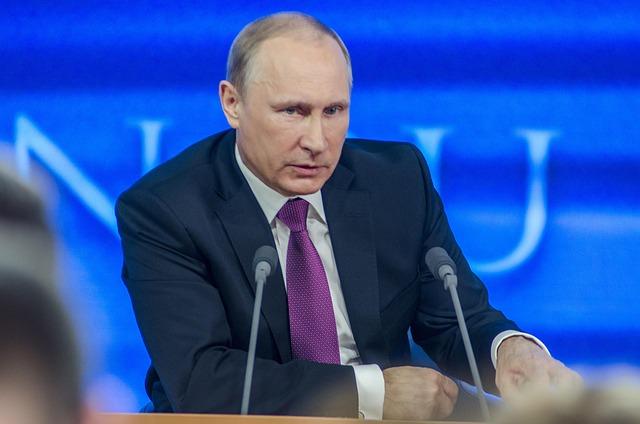
In a provocative statement that has raised eyebrows in both diplomatic and political circles, a senior adviser to Russian President Vladimir Putin has suggested that Danish Prime Minister Mette Frederiksen should “lose” her claim to Greenland.This assertion, made amidst escalating tensions between Russia and Western nations, reflects not only the geopolitical complexities surrounding the Arctic region but also the ongoing scrutiny of Frederiksen’s leadership.The commentary adds a new layer to the discourse surrounding Denmark’s governance of Greenland, a territory that has increasingly garnered international attention due to its strategic significance and rich natural resources. As discussions continue to unfold, the implications of this statement resonate far beyond the confines of Danish politics, highlighting the intricate web of global relations in a rapidly changing world.
Putin Adviser Critiques Frederiksen’s Greenland Policy amid Rising tensions
A senior adviser to Russian President Vladimir Putin has voiced strong disapproval of Danish Prime Minister Mette Frederiksen’s approach to Greenland, suggesting that her policies could jeopardize Denmark’s control over the territory. In his scathing remarks, he insinuated that Frederiksen’s handling of geopolitical tensions in the Arctic region could led to a shift in local sentiment against Danish governance.The adviser underscored the importance of Greenland’s vast natural resources, warning that missteps in diplomacy could open the door for outside influences, notably from nations like Russia and China, to make inroads into the island’s affairs.
The critique reflects a broader narrative surrounding Greenland’s strategic significance as global interest in Arctic exploration intensifies. Key points raised by the adviser included:
- Resource Management: Concerns over how Frederiksen’s policies may neglect the interests of the Greenlandic people.
- International Relations: The potential for increased rivalry in the Arctic, particularly with Russia positioning itself as a key player.
- Geopolitical Strategy: A warning that Denmark risks losing influence if it fails to engage effectively with both Greenland and external powers.
Such comments come at a time when Frederiksen is under increasing pressure both domestically and internationally to navigate a complex landscape of climate change, indigenous rights, and competing national interests. the stakes in Greenland are high, and the adviser’s comments could amplify calls for a reassessment of Denmark’s current policies as the tension in the region escalates.
Examining the Political Ramifications of Greenland’s Strategic Importance
Recent comments from a senior adviser to Russian President Vladimir Putin have ignited heated discussions regarding the geopolitical significance of Greenland. The adviser suggested that danish Prime Minister Mette Frederiksen’s policies could lead to a loss of Greenland, highlighting the island’s rich resources and strategic location as central to international power dynamics. As Arctic nations vie for influence, the potential consequences of Frederiksen’s leadership may extend far beyond local governance, altering the balance of power in northern waters and impacting international relations well into the future.
Greenland’s position has become increasingly valuable for several reasons:
- Natural Resources: The island is believed to possess vast mineral resources, including rare earth elements critical for technological advancements.
- Strategic Military Positioning: Its proximity to major shipping routes and the Arctic makes Greenland a tactical asset for military operations and surveillance.
- Climate Change Impacts: Melting ice caps have opened new navigation routes,reshaping shipping logistics and providing new access to maritime areas previously deemed impassable.
Given these factors, Frederiksen’s approach to managing relations with both the U.S. and Russia will likely play a decisive role in determining the future stability and autonomy of Greenland, as well as the broader geopolitical landscape in the Arctic region.
Recommendations for a Balanced Approach in Danish Foreign Relations
An evolving geopolitical landscape necessitates a recalibration of Denmark’s diplomatic strategies, particularly in relation to Greenland and its implications for Arctic sovereignty. A balanced approach emphasizes the importance of fostering genuine cooperation with both local stakeholders and international partners. For this purpose,policymakers should consider the following strategies:
- Strengthening Local Governance: Empowering Greenlandic leadership through enhanced autonomy can foster trust and collaborative governance,allowing for a more nuanced representation of local interests in foreign affairs.
- Navigating Great Power rivalries: As global powers vie for influence in the Arctic, Denmark needs to strategically position itself by engaging in multilateral dialogues, thus ensuring that national interests are safeguarded while promoting regional stability.
- Investing in Enduring Advancement: Prioritizing investments in sustainable resource management and environmental protection will not only benefit Greenland’s economy but also align Denmark’s foreign policy with global sustainability goals.
Moreover, cultivating partnerships with indigenous communities can enhance cultural diplomacy and strengthen Denmark’s moral standing internationally. This comprehensive approach must encompass not only economic interests but also social and environmental responsibilities. By embracing a broad-minded strategy, Denmark can enhance its image as a responsible actor on the world stage while navigating the complex realities of Arctic geopolitics.
In Conclusion
the remarks from a senior adviser to Russian President Vladimir Putin regarding Danish Prime Minister Mette Frederiksen’s handling of Greenland’s future underscore the complex geopolitical tensions at play in the Arctic region. As discussions surrounding sovereignty, environmental concerns, and international alliances continue to evolve, the implications of such statements reflect broader strategic interests, both for Denmark and its global counterparts. As Greenland’s fate remains a critical point of contention, observers will be watching closely to see how Frederiksen responds-not just to the critic from Moscow but to the growing calls for greater self-determination from the people of Greenland themselves.The coming months could prove pivotal in shaping not only Denmark’s political landscape but also the broader dynamics of Arctic governance.