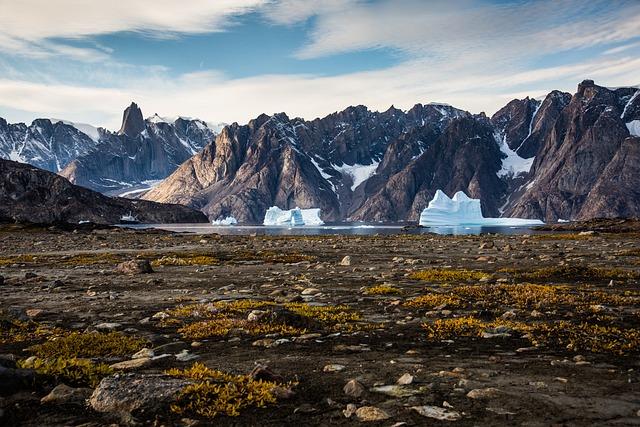
As climate change continues to reshape our planet, new findings reveal a troubling connection between GreenlandS melting ice and the intensification of heatwaves across Europe. Research highlighted by New Scientist underscores how the influx of meltwater from Greenland is contributing to a more extreme climate in the continent, raising concerns about the implications for weather patterns, ecosystems, and human health. With record-breaking temperatures becoming increasingly common, understanding the dynamics of this relationship is crucial as scientists warn of the cascading effects of a warming world. This article delves into the latest data and explores the urgent need for adaptive strategies in the face of climate-related challenges.
Greenland Meltwater Fuels Rising Temperatures Across Europe
The recent findings highlighting the impact of Greenland meltwater on European temperatures reveal a concerning trend. As glaciers and ice sheets continue to thaw at an unprecedented rate due to climate change,vast quantities of meltwater are flowing into the North Atlantic. This influx of fresh water disrupts ocean currents, particularly the Atlantic Meridional Overturning Circulation (AMOC), which plays a crucial role in regulating climate patterns across Europe. Consequently, the warming waters contribute to a series of extreme heatwaves that have become increasingly common in the region.
Key factors related to this phenomenon include:
- Feedback Loops: The reduction of ice cover leads to less sunlight being reflected away from the Earth, causing further warming.
- Weather Patterns: Altered ocean currents can intensify atmospheric conditions that create prolonged periods of heat in Europe.
- Local Impacts: Regions previously characterized by temperate weather are experiencing record-high temperatures, affecting agriculture and natural ecosystems.
these interconnected dynamics underscore the gravity of the situation, as scientists urge immediate action to mitigate the broader impacts of climate change on both a local and global scale.
Understanding the Link Between Climate Change and Extreme Weather Events
Recent studies reveal a compelling connection between the dramatic melt of Greenland’s ice sheets and the increasing intensity of heatwaves across Europe. Researchers have found that the influx of cold meltwater into the North Atlantic disrupts ocean currents, leading to unusual atmospheric patterns. These shifts can exacerbate heat conditions,making them more severe and prolonged. As a result, regions in Europe that might typically experience moderate summer heat are now grappling with unprecedented temperatures, contributing to health risks and economic strain.
Key contributing factors to this phenomenon include:
- Increased Sea Surface Temperatures: The colder meltwater alters the thermal dynamics of the North Atlantic, influencing weather systems across Europe.
- Jet Stream Disruption: the variations in temperature can weaken the jet stream,resulting in prolonged heat events and stalling weather patterns.
- Feedback Loops: The intensification of heatwaves can lead to further ice melt, thereby perpetuating the cycle of extreme weather events.
Understanding these interconnections is crucial for developing effective strategies to mitigate the impacts of climate change on both local and global scales.
Mitigating Heatwave Risks: Strategies for Adaptation and Resilience
As Greenland’s ice sheets continue to melt, the implications for Europe are becoming increasingly evident.The influx of meltwater has been linked to an uptick in heatwaves across the continent, exacerbating the already serious impact of climate change. In response, experts emphasize the need for robust adaptation strategies that can help mitigate these rising temperatures and their associated risks. Key measures identified include urban planning that prioritizes green spaces, enhancing the capacity of urban infrastructures to handle extreme heat, and promoting public awareness about heat-related health risks.
Moreover, resilience can be bolstered through proactive approaches in agriculture and water management. Investing in technologies that enhance irrigation efficiency and drought resistance in crops is vital, as is the growth of policies that ensure water conservation. Additionally, incorporating early warning systems can considerably enhance community readiness for heatwaves, allowing residents to take precautionary measures. Collaboration between governments, NGOs, and local communities will be crucial in fostering an integrated response to tackle the increasingly intense heatwaves linked to climate phenomena like those caused by Greenland’s meltwater.
Final Thoughts
As the implications of Greenland’s melting ice become increasingly clear, the connection between this climatic phenomenon and the intensification of heatwaves across Europe grows more concerning. The interplay of rising temperatures, changing weather patterns, and melting glaciers not only signals a broader environmental crisis but also affects millions of lives across the continent. With scientists emphasizing the urgency of addressing climate change, the need for global action becomes ever more pressing. As we continue to navigate the complexities of our changing planet, the lessons drawn from Greenland’s meltwater serve as a stark reminder of our collective responsibility to protect the habitat. The time for decisive action is now, as the impacts of climate change are felt not just in distant lands, but right at our doorstep.