

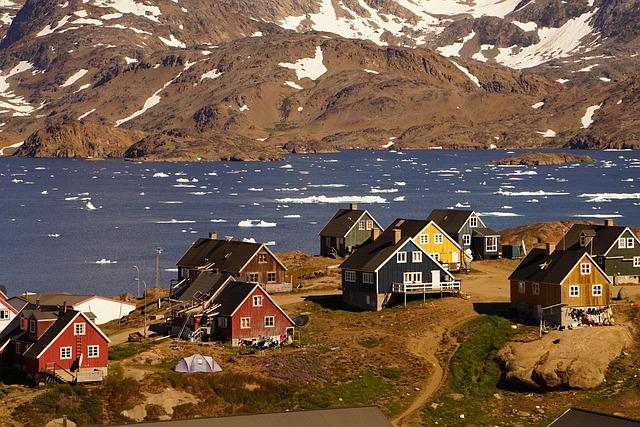
In recent years,the Arctic region has transformed into a geopolitical hotspot,drawing the attention of world powers eager to assert their influence over its untapped resources and strategic waterways. Among the territories at the heart of this new Cold War is Greenland, an autonomous territory of Denmark, which sits atop vast reserves of minerals and fossil fuels. The intrigue surrounding Greenland escalated in 2019, when then-President Donald Trump famously expressed an interest in purchasing the island, sparking a mixture of incredulity and serious discussion about the implications of such a move. This article delves into the complex and often surreal web of ambitions, interests, and strategies that underlie contemporary efforts to secure control over Greenland, revealing a plan that, while seemingly ludicrous, reflects the serious stakes at play in the scramble for Arctic dominance. As nations jockey for position in this icy frontier, the ambitions surrounding Greenland reveal much about the evolving landscape of global power and resource competition in the 21st century.
Exploring Geopolitics and Resource Exploitation in Greenland’s Future
As global interest in Greenland intensifies, the island’s vast natural resources are drawing the eye of world powers eager to capitalize on its strategic position and mineral wealth. Among the key facets of this interest are Greenland’s rich deposits of rare earth minerals, vital for modern technology, and untapped reserves of oil and gas beneath its icy surface. The melting polar ice caps, a direct result of climate change, are further laying bare these resources, offering an possibility for exploitation that has sparked both international intrigue and geopolitical maneuvering. Countries such as the United States, China, and Denmark are vying for influence, each with distinct motivations and strategies to secure access to Greenland’s assets.
The potential for resource extraction in Greenland raises pressing questions about the environmental impacts and the rights of its indigenous population. Local communities face the dual-edged sword of potential economic benefits and the detrimental effects of industrial development. To navigate this complex landscape, considerations must include:
- Environmental Sustainability: How can Greenland balance resource extraction with ecological preservation?
- Indigenous Rights: What measures are in place to protect the rights and culture of the Inuit population amidst growing foreign interest?
- Geopolitical Tensions: Will the scramble for resources lead to heightened tensions among global powers?
Such inquiries are critical as Greenland stands at a crossroads between its conventional way of life and the burgeoning demands of a rapidly changing world.
Evaluating the Strategic Implications of Arctic Sovereignty Disputes
The ongoing sovereignty disputes in the arctic are not merely geographical skirmishes; they represent crucial strategic battlegrounds for both military and economic supremacy.Countries like the United States, Russia, and China are increasingly prioritizing their Arctic policies, driven by the region’s untapped natural resources and the potential for new shipping lanes arising from climate change. The economic implications are significant, as the Arctic is estimated to hold approximately 13% of the world’s undiscovered oil reserves and 30% of its unexplored natural gas. Additionally, the melting ice caps are opening up previously inaccessible routes, making Arctic navigation more viable. This revelation has prompted states to assert their territorial claims aggressively, igniting a complex web of alliances and tensions that could have far-reaching consequences.
In this high-stakes habitat, the strategic defenses of Arctic nations are being overhauled, with military capabilities being enhanced and diplomatic negotiations intensifying. Key players are engaging in a mix of cooperation and competition, which complicates the geopolitical landscape. Such as, joint ventures in scientific research and environmental protection co-exist with military posturing and rhetoric over national sovereignty. The potential for accidental conflicts increases as nations ramp up their presence, straining existing international frameworks like the United Nations Convention on the Law of the Sea (UNCLOS). As these disputes persist, the underlying tensions expose vulnerabilities that could lead to heightened global security challenges, reshaping international relations for decades to come.
Recommendations for a Sustainable and Collaborative Approach to Greenland’s Development
To address the complexities surrounding Greenland’s future, a multifaceted strategy prioritizing sustainability and community involvement is essential. Key recommendations include:
- Engagement with Indigenous Communities: Establish genuine partnerships with Greenland’s Indigenous population to ensure their voices are integral to any developmental framework.
- Sustainable Economic Practices: Promote industries that prioritize environmental stewardship, such as renewable energy and ecotourism, while carefully managing natural resource extraction.
- Investment in Local Infrastructure: Direct funding towards building resilient infrastructure that not only supports existing communities but also safeguards the environment, aligning development with ecological preservation.
Additionally, fostering international cooperation can enhance Greenland’s development trajectory. This can be achieved by:
- Global Partnerships: Forge alliances with other nations and organizations committed to sustainable practices, enabling knowledge-sharing and technological advancements.
- Research and Innovation: Invest in scientific research tailored to Greenland’s unique ecosystems, paving the way for innovative solutions to local challenges.
- Public Awareness Campaigns: Increase global awareness about Greenland’s potential and challenges, encouraging international stakeholders to support a sustainable development model that respects the land and its people.
To Wrap It Up
the audacious scheme to annex Greenland reveals much more than just ambitions for territorial expansion; it highlights the intricate interplay of geopolitics,national security,and climate change on the global stage. As nations vie for influence in this resource-rich and strategically vital region, the implications extend far beyond Greenland’s icy shores. The risks of such maneuvers echo through international relations,raising questions about sovereignty,indigenous rights,and environmental stewardship. While the intricacies of this plan may seem ludicrous on the surface, the serious undertones of the motives behind it demand close scrutiny. In navigating these turbulent waters, the world must grapple not only with the actions of powerful nations but also rethink the future of Arctic governance, cooperation, and the shared duty of safeguarding our planet for generations to come. As the story unfolds,one thing remains clear: in the quest for power,the stakes are higher than ever,and the consequences may be felt far beyond any nation’s borders.










