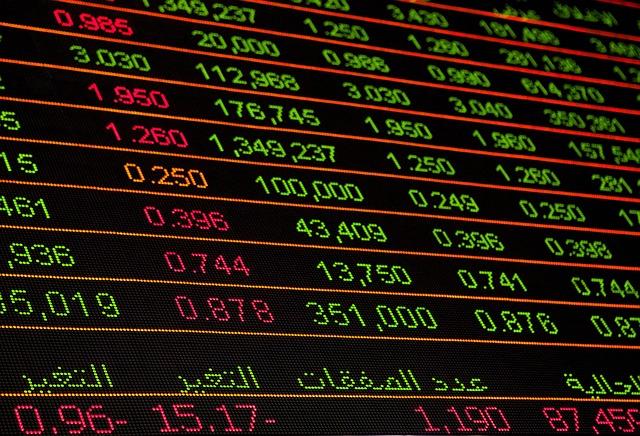
In a week marked by significant economic developments and social unrest, the S&P 500 has achieved a new milestone, closing at an all-time high, signaling a resilient American market amidst ongoing uncertainties. Meanwhile, France is witnessing a wave of protests as citizens rally against government policies, highlighting deep societal divisions. These contrasting narratives underline the complexities of today’s global landscape, where financial fortunes rise even as public dissent escalates, shaping both economic outlooks and political climates in the world’s major economies.
S&P 500 Reaches Record Milestone Amid Economic Optimism
The S&P 500 has soared to unprecedented heights, reflecting the growing confidence among investors regarding the resilience of the U.S. economy. Despite ongoing challenges, including rising interest rates and global supply chain issues, market optimism has been underpinned by strong corporate earnings and robust consumer spending. Key factors contributing to this milestone include:
- Strong Earnings Reports: several major companies have exceeded expectations, driving stock prices higher.
- Stable Job growth: Continued job creation has bolstered consumer confidence, leading to increased spending.
- Technological Advancements: Innovations in various sectors have sparked interest and investment,fueling market enthusiasm.
The record-setting performance has not only marked a significant recovery from earlier market downturns, but it also signals a broader trend of potential economic stability. Investors are cautiously optimistic, keeping a close watch on upcoming economic indicators and monetary policy changes that could influence future market trajectories. with these developments, many are wondering if this momentum can be sustained, or if it will be met with new challenges as the global economic landscape evolves.
France Faces Unrest as Nationwide Protests Erupt Over Reforms
France is currently engulfed in a wave of nationwide protests as citizens express their outrage over proposed reforms perceived to threaten their social and economic rights. Demonstrators have taken to the streets in major cities, including Paris, Lyon, and Marseille, with reports of clashes between protesters and law enforcement.Activists claim the proposed changes, which aim to amend labor laws and pension systems, disproportionately affect working-class families and vulnerable populations. The unrest comes at a time when public sentiment is already strained by rising living costs and a deepening mistrust in the government’s handling of economic policies.
Trade unions and opposition groups have spearheaded the demonstrations, calling for a unified stand against what they describe as austerity measures masked as reforms. Key issues fueling the unrest include:
- Proposed changes to retirement age limits
- Increased privatization of public services
- Wage freezes in various sectors
Many protesters are utilizing social media platforms to galvanize support and share their experiences, while unions have organized marches and sit-ins, emphasizing their demand for dialog with the government. As tensions escalate, the government faces a critical test in balancing reform with the need to maintain social peace. The outcome of these protests could significantly shape the political landscape in France as it contends with economic challenges and a growing wave of discontent.
Market Analysts Weigh Impacts of Global Events on Investor Sentiment
In the backdrop of the S&P 500 reaching unprecedented heights,market analysts are closely scrutinizing how recent global events influence investor sentiment.The intersection of economic data,rising geopolitical tensions,and social unrest in various regions poses both challenges and opportunities for markets. analysts highlight the following points affecting sentiment:
- Geopolitical Uncertainty: Investors remain wary amid escalating tensions in Eastern Europe and Asia, leading to fluctuations in commodities prices and shifts in global supply chains.
- Economic Indicators: The release of strong economic data from the United states continues to bolster investor confidence, with many believing that the recovery from the pandemic is on solid ground.
- Social Movements: Recent protests in France highlight the potential for domestic instability,causing analysts to ponder the implications for European markets and the overall EU economic outlook.
Analysts note that the dichotomy of rising stock prices against a backdrop of social upheaval may create a unique psychological habitat for investors. While the S&P 500 reflects robust corporate earnings and growth prospects, concerns about potential backlash from public dissent and economic policy responses cannot be overlooked. Key points of focus include:
- Inflation Pressures: Persistent inflation remains a concern, prompting discussions about interest rate hikes and their impact on market valuations.
- Market Volatility: The potential for increased volatility is top of mind, as investors navigate the complexities of both macroeconomic indicators and social factors.
- Global Interconnectedness: The global nature of today’s markets means that events in one region can have ripple effects across others,leading to a more cautious investment approach.
In Summary
the latest developments in global markets and social movements highlight a world in flux. The S&P 500’s record high underscores the resilience of the U.S. economy amidst ongoing uncertainties, signaling investor optimism. Simultaneously occurring, France’s widespread protests reflect deep-seated social tensions, as citizens push back against policies perceived to threaten their rights and livelihoods. As these narratives unfold, they remind us of the interconnectedness of economic indicators and social dynamics. Moving forward, all eyes will remain on how these factors shape the socio-economic landscape both in the United States and across Europe. As the story continues to evolve, The Economist will keep you informed with timely updates and in-depth analysis.