France Heads Into Third Weekend of Protests as Youth-Led Rallies Sweep Europe
In a wave of discontent that has spread across the continent, France finds itself at the center of a growing movement of youth-led protests that has escalated into its third consecutive weekend. What began as a response to rising costs of living and government policies has morphed into a broader outcry against social and economic inequalities, resonating with young people in various European cities.As demonstrators take to the streets, fueled by a mix of frustration and determination, the protests highlight not only the specific challenges faced by young generations in France but also a burgeoning solidarity among youth across borders. While the French government grapples with the implications of this civil unrest, the question remains: can these passionate calls for change foster a meaningful dialogue, or will they lead to further division? This article delves into the origins, key issues, and the broader implications of these protests, shedding light on a pivotal moment in contemporary European politics.
France Faces Unprecedented Youth Protests as Calls for Change Intensify Across Europe
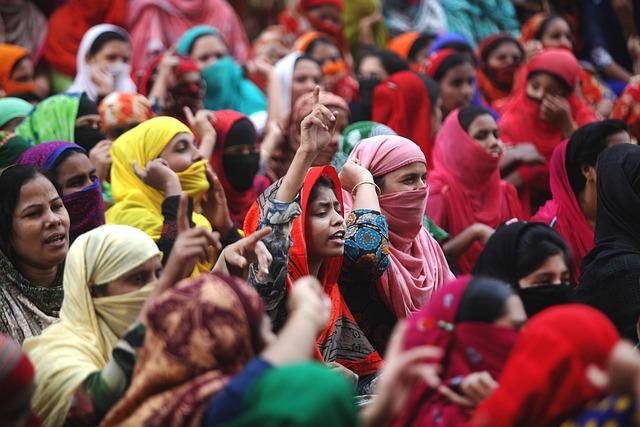
As the situation escalates, France is witnessing a wave of protests that are not just confining themselves to the streets of Paris but are rippling throughout Europe. Young people,galvanized by a myriad of social,economic,and political issues,have taken to the streets,demanding systemic change and pushing thier demands to the forefront of national discussions. Issues such as climate action, affordable education, and employment opportunities are fueling the fervor among the youth. Activists argue that current policies inadequately address their future, leading to frustrations that have sparked these unprecedented demonstrations.
This unprecedented unity across borders has resulted in protests in various cities including Brussels, Berlin, and Madrid. Many of the protesters share a common message: they seek to hold their governments accountable for failing to provide a lasting future. Key demands highlighted during these rallies include:
- Climate Justice: Immediate action on environmental policies to ensure a livable planet.
- Adequate Mental Health Services: Improved mental health resources for young people navigating uncertainty.
- Affordable Housing and Education: Solutions to the escalating cost of living and education access.
The resilience and determination of the youth are evident as they rally under a unified vision for a better tomorrow, amplifying their demands in a synchronized call for change that resonates throughout the European landscape.
Analysis of the Socioeconomic Factors Driving Youth Mobilization in France
The ongoing protests in France, marked by youth-led initiatives, stem from a myriad of socioeconomic factors that resonate deeply with the younger generation. Unemployment rates among the youth, especially in urban areas, remain alarmingly high, contributing to a sense of disenfranchisement and urgency for change. Diminished access to stable employment, coupled with the rising cost of living, has fueled widespread frustration. Young people are increasingly feeling the burden of economic burdens, such as:
- Stagnant wages that fail to keep pace with inflation
- Soaring housing costs in major cities
- Inadequate social services and support systems
Moreover, these economic challenges coexist with a growing awareness of climate change and social justice issues. As the youth mobilize, they are increasingly demanding not only economic reforms but also a more equitable and sustainable society. This broadening of focus reflects a generational shift in priorities, where young activists are highlighting the intersections between economic inequality and environmental duty. The use of social media as a platform for association and expression has empowered these movements, allowing young individuals to connect and amplify their voices across borders, uniting their causes with other European youth movements facing similar struggles.
Strategies for Engaging Young Activists: Lessons from European Solidarity Movements
Across Europe, the current wave of youth-led protests reflects a growing momentum for social change, with young activists at the forefront of mobilization. Effective engagement strategies have emerged from various solidarity movements, offering valuable insights into harnessing the power and passion of young people. Key methods include:
- Utilizing Digital Platforms: Social media serves as an essential tool for outreach and mobilization, allowing activists to connect, coordinate, and amplify their voices without geographical barriers.
- Building Inclusive Networks: Creating spaces that welcome diverse perspectives encourages wider participation, fostering a sense of community and shared purpose among young activists.
- Emphasizing Grassroots leadership: Empowering youth to take on leadership roles in organizing and decision-making processes ensures that their ideas and concerns are at the forefront of movements.
Moreover, the lessons learned from solidarity movements highlight the importance of sustaining momentum through ongoing dialogue and collaboration. Engaging young people requires addressing issues that resonate with their lived experiences, such as climate change, social justice, and economic inequality. By remaining adaptable and responsive to the evolving needs of young activists,movements across Europe can cultivate a more robust and resilient network. Core strategies include:
- Organizing Educational Workshops: Providing resources and training on advocacy,public speaking,and community organizing equips young activists with essential skills and knowledge.
- Fostering Intergenerational Collaboration: Encouraging partnerships between experienced activists and younger generations promotes both mentorship and innovation, blending wisdom with fresh ideas.
- Creating Local Action Plans: Tailoring initiatives to specific local contexts ensures that the concerns of youth are effectively addressed, making their activism relevant and impactful.
Closing Remarks
As the protests continue to unfold across France and ripple through various European cities, the youth-led movement reflects a growing discontent with socioeconomic disparities, government policies, and social justice issues. The third weekend of demonstrations has not only showcased the power of grassroots activism but has also sparked meaningful conversations about the future of democratic engagement in Europe. As authorities assess the situation and seek solutions, the response of governments to these passionate calls for change will be critical in shaping the political landscape moving forward. As we track this developing story, it is clear that the voices of the youth are resonating far beyond national borders, marking a pivotal moment in contemporary European history. The coming weeks will undoubtedly reveal how these dynamic protests will influence policy and provoke responses from leaders across the continent.