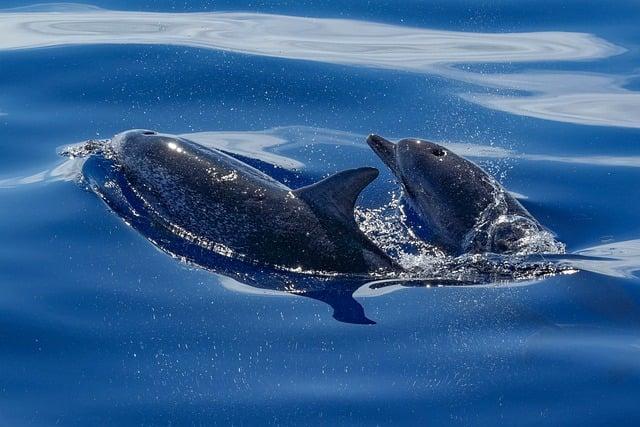
In the remote archipelago of the Faroe islands, situated between Iceland and Norway, a controversial tradition continues to cast a dark shadow over its scenic landscapes: the slaughter of dolphins. Each year, the annual drive hunts, known as “grindadráp,” result in the deaths of hundreds of these smart marine mammals, sparking international outrage and drawing condemnation from animal rights activists, conservationists, and a concerned global community. As these hunts persist amid a growing movement for their abolition, questions arise: What will it take to end this practice that has long been ensconced in cultural heritage? This article delves into the complex interplay of tradition, conservation, and activism, exploring the challenges and potential pathways toward eradicating dolphin hunts in the Faroe Islands once and for all.
Calls for Global Activism to End Dolphin Slaughter in the Faroe Islands
Activists around the globe are uniting in a passionate call to action against the annual dolphin hunts in the Faroe Islands, where hundreds of these intelligent marine mammals are killed in what is deemed a cultural tradition. Organizations dedicated to wildlife protection, coupled wiht concerned citizens, are leveraging social media campaigns and public demonstrations to raise awareness about the brutality of these hunts. The visual impact of graphic footage from the hunts has galvanized support, showing the stark contrast between customary practices and modern values of compassion and conservation.
To mobilize a stronger international response, proposed actions include:
- Boycotting tourism to the Faroe Islands, pressuring local economies to reconsider their practices.
- Engaging diplomatic channels to appeal for policy changes that protect marine life.
- Rallying support from celebrities and influencers, with the potential to reach millions and raise considerable awareness.
- Launching educational campaigns informing the public about the ecological impact of dolphin hunts on marine ecosystems.
As the global community becomes increasingly attuned to the plight of endangered species, the urgency for collective action against the dolphin slaughter cannot be overstated. Only through sustained pressure and widespread advocacy can the hope for a future without these hunts be realized.
Scientific Perspectives on the Ecological Impact of Dolphin Hunting
Various scientific studies have highlighted the detrimental ecological consequences of dolphin hunting in the Faroe Islands,emphasizing not only the immediate impact on dolphin populations but also the broader implications for marine ecosystems. The systematic hunting of these intelligent marine mammals disrupts local biodiversity, as dolphins play a crucial role in the health of oceanic environments. By regulating fish populations and providing nutrients to various marine species through their waste, dolphins contribute considerably to the ecological balance. The removal of such a keystone species can led to unpredictable shifts in the marine food web, potentially resulting in overpopulation of certain fish species and declining health of habitats.
Additionally, researchers have raised concerns about the bioaccumulation of toxins in dolphin populations, especially related to mercury and other pollutants. These substances not only affect the dolphins themselves but can also have cascading effects through the food chain, impacting predators, including humans who consume these animals. The hunting practices in the Faroe Islands exacerbate these issues, as the meat from hunted dolphins is often consumed despite warnings regarding health risks. The long-term implications of continued dolphin hunts could thus extend beyond ecological disruption to severe public health concerns, urging the need for immediate action and change in hunting policies.
Policy Recommendations for Sustainable Marine Conservation Practices
The ongoing slaughter of dolphins in the Faroe Islands raises urgent questions about marine conservation practices.To effectively address this issue, policymakers must adopt a multifaceted approach focused on sustainability. First and foremost, it is indeed critical to strengthen international collaboration between conservation organizations, governments, and local communities. This could involve establishing formal agreements aimed at protecting marine biodiversity, sharing best practices for sustainable fishing, and promoting research on dolphin populations. Furthermore, initiatives that encourage eco-tourism could provide option livelihoods for communities traditionally reliant on hunting.
In addition, there is a pressing need for enhanced education and awareness programs to engage local communities in marine conservation efforts. By fostering a greater understanding of the ecological importance of dolphins and their role in the marine ecosystem, these programs can help shift public perception and cultural attitudes towards these intelligent creatures. Lastly, implementing stricter regulations on marine wildlife hunting, coupled with extensive monitoring systems, will ensure compliance and accountability. Such measures will be critical in paving the way towards more humane and sustainable practices that respect both cultural traditions and the need for biodiversity conservation.
Insights and Conclusions
the ongoing slaughter of dolphins in the Faroe Islands remains a deeply contentious issue that raises profound ethical, environmental, and cultural questions. As awareness grows and public outrage strengthens, it becomes increasingly clear that a multifaceted approach is needed to address the complexities of this practice. International pressure, advocacy from environmental organizations, and a commitment to dialogue with local communities are essential components in the pursuit of change. While the path to halting these hunts may be fraught with challenges, fostering understanding and compassion could ultimately pave the way for a future where the dolphins of the Faroe Islands swim free from harm. the global community must remain vigilant and engaged as we seek solutions that respect both the lives of these intelligent animals and the cultural heritage of the islands.