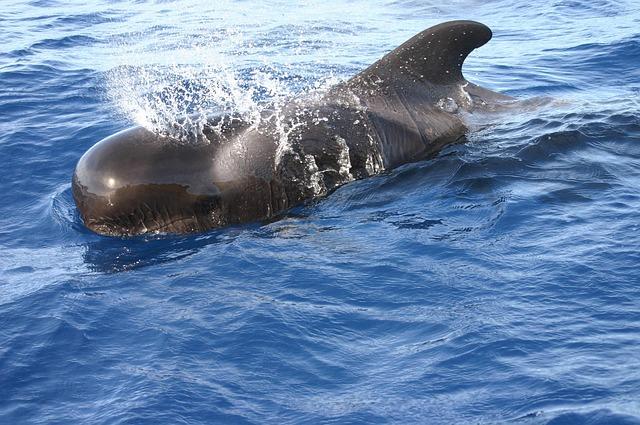
In a controversial continuation of a centuries-old tradition, more than 125 pilot whales were killed in the first hunt of 2026 in the Faroe Islands, prompting renewed debate over the ethical implications of whaling practices. The event, which took place on January 28, has drawn widespread condemnation from animal rights activists and environmental organizations, who criticize the brutal nature of the hunt and its impact on marine ecosystems. As the debate rages on, the Faroe Islands-known for their distinctive cultural heritage-find themselves at the center of an ongoing clash between tradition and modern values. This latest incident echoes the persistent tensions surrounding whaling, raising critical questions about conservation, community identity, and the future of such practices in an increasingly eco-conscious world.
Pilot Whale Slaughter in Faroe Islands sparks Global Outrage
The recent hunt in the Faroe Islands, which resulted in the brutal killing of more than 125 pilot whales, has ignited a firestorm of criticism and concern from environmentalists and animal rights advocates worldwide. This annual event, known as the “grindadráp,” is deeply rooted in the local culture, yet it has come under increasing scrutiny as global awareness of animal welfare issues grows. Activists are leveraging social media and international platforms to call for a re-evaluation of these traditional practices,arguing that they conflict with contemporary ethical standards regarding wildlife conservation and animal rights.
Eyewitnesses to the horrific scenes have described the process as both chaotic and heartbreaking. Many have taken to social media to share graphic images and videos of the hunt, highlighting the suffering inflicted upon these smart marine mammals. The backlash has been swift and forceful, with numerous organizations and celebrities condemning the hunt. Among the demands being made are:
- Stricter regulations on marine life hunting practices.
- Increased awareness of whale conservation efforts.
- Calls for a ban on the grindadráp entirely.
As the conversation surrounding this contentious issue continues, pressure mounts on the Faroese authorities to consider a shift in their traditional practices and embrace more humane methods of coexistence with the ocean’s inhabitants.
Investigating the Cultural Significance and Environmental Impact of the Grind
The recent mass killing of over 125 pilot whales in the Faroe Islands during the first hunt of 2026 has sparked a renewed examination of the intricate balance between cultural tradition and contemporary environmental concerns.For centuries, the grindadráp-a traditional form of whaling-has been an integral part of the local community, providing not just sustenance but also a sense of identity and continuity among the islanders. Participants often describe the event as a communal gathering that strengthens social bonds and reinforces cultural heritage.Yet, critics argue that the practice is increasingly at odds with modern ethical standards and global movements towards marine conservation, prompting questions about the sustainability of such traditions in an age of growing ecological awareness.
In addition to cultural implications,the environmental impact of the grind cannot be overlooked. The large-scale hunting of pilot whales raises significant concerns regarding biodiversity and the health of marine ecosystems. The potential consequences include:
- Disruption of local food chains,as the removal of apex predators could have cascading effects on other marine species.
- The potential for overfishing and depletion of whale populations, which are already facing threats from climate change and ocean pollution.
- Challenges to marine conservation efforts aimed at protecting endangered species and their habitats, complicating international relations with ecological watchdogs.
As discussions unfold, it is crucial for stakeholders-including local communities, environmentalists, and policymakers-to engage in meaningful dialogue. Striking a balance between preserving cultural heritage and ensuring environmental stewardship is imperative for the future of marine ecosystems and the communities that rely on them.
Calls for Sustainable Alternatives and Enhanced animal Welfare Regulations
The recent mass killing of over 125 pilot whales in the Faroe Islands has reignited urgent discussions surrounding the ethical implications of hunting and the necessity for sustainable practices. As global awareness of environmental issues grows,many are calling for a reevaluation of such traditional hunts,arguing that there are no longer justifiable grounds for these practices in today’s world. Advocates for change emphasize the importance of preserving marine biodiversity and highlight the ways in which excessive hunting disrupts ecological balance.Some of the key points urged by activists include:
- Transitioning to sustainable alternatives: Initiatives that focus on eco-friendly tourism and marine conservation can provide viable economic opportunities without harming wildlife.
- Enhancing animal welfare regulations: Stricter laws should be implemented to ensure humane treatment of all animals, prioritizing their welfare over cultural traditions.
- Promoting education and awareness: Increased public understanding of the consequences of whale hunting can lead to greater support for conservation efforts.
Furthermore, as the international community continues to grapple with climate change and its consequences, there is an increasing demand for nations to adopt policies that reflect a commitment to animal welfare. Many countries are exploring alternatives to hunting that not only protect animal rights but also enhance the sustainability of local ecosystems. The need for collective action is more pressing than ever, as preserving marine species like the pilot whale is crucial not just for ecological stability, but for the planet’s overall health. The debate surrounding such hunts necessitates a extensive approach, taking into account historical practices while ensuring that future generations inherit a rich and thriving marine environment.
To Conclude
the first pilot whale hunt of 2026 in the Faroe Islands has once again ignited a global conversation about the cultural practices and ethical dilemmas surrounding traditional hunting methods. With more than 125 pilot whales killed, this event has drawn criticism from animal rights advocates and environmental organizations, who argue for the conservation of marine life and an end to such hunts. As the debate continues, the implications of these practices not only reflect on the Faroe Islands’ heritage but also highlight the growing tension between tradition and modern values in our increasingly interconnected world. The conversation around this event raises vital questions about sustainability, cultural identity, and the moral responsibilities humans hold towards wildlife. As stakeholders in this ongoing discussion, it remains imperative that we find common ground that respects both cultural traditions and the need for ecological preservation.