

Introduction
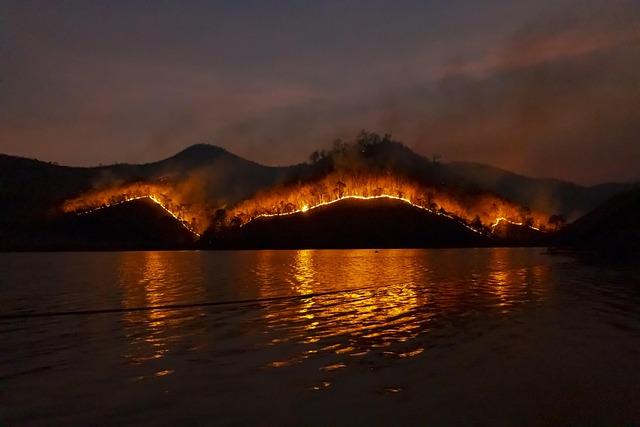
As Europe grapples with an unprecedented heatwave, numerous countries are facing the dual crisis of soaring temperatures and devastating wildfires.With temperatures reaching record highs, regions from Portugal to Greece are experiencing severe drought conditions that have made forests and grasslands increasingly susceptible to flames. Firefighters are mobilizing to combat blazes that are spreading rapidly, fueled by relentless heat and dry winds. This environmental crisis not only threatens ecosystems but also endangers lives and livelihoods, prompting urgent responses from local and national governments.As the continent battles these natural disasters, the ramifications of climate change continue to loom large, highlighting the pressing need for coordinated action and resilience in the face of an increasingly volatile climate.
European nations Mobilize Resources in Response to Escalating Wildfire Threats
As the heatwave intensifies across Europe, nations are taking coordinated actions to combat an unprecedented surge in wildfires. Governments are mobilizing firefighting resources, which include deploying specialized teams and equipment to the most affected regions. Countries such as Greece, Italy, and Spain have reported soaring temperatures, prompting emergency declarations that activate national and local firefighting units. Citizens are urged to remain vigilant, with authorities emphasizing that the combination of extreme heat and dry conditions significantly increases wildfire risks.
in a show of solidarity, European nations are also sharing aerial resources, such as water-dumping aircraft and helicopters, to bolster each other’s firefighting capabilities. The European Union has initiated a rapid response mechanism, enabling affected countries to request assistance quickly. Key initiatives include:
- Cross-border support: Emergency teams from neighboring countries are dispatched to assist in firefighting operations.
- Enhanced monitoring: Satellites and drones are deployed to monitor hotspots and predict wildfire spread.
- Public awareness campaigns: Initiatives aim to educate communities about fire prevention and safety measures.
This collaborative effort underscores the urgency of the situation while highlighting the need for comprehensive strategies to mitigate the risks of future wildfires as climate change continues to exacerbate environmental conditions across the continent.
Impact of Climate Change Intensifies Fire Risks Across Southern Europe
The increasing frequency and intensity of wildfires across Southern Europe can be attributed to several interrelated factors exacerbated by climate change. Rising temperatures have led to prolonged heatwaves, creating an environment conducive to the ignition and spread of wildfires. As the summer months lengthen and temperatures soar, the moisture content in vegetation significantly decreases, making forests and grasslands highly flammable.This results in a dangerously elevated risk of wildfires that can devastate vast areas, lead to loss of life, and cause significant property damage.
Along with high temperatures, shifting weather patterns have contributed to unpredictable rainfall and drought conditions. The changes in precipitation not only dry out the landscape but can also lead to sudden bursts of growth during wet periods, followed by dry spells that turn dense vegetation into fire fuel. Regional authorities are finding it increasingly challenging to manage these risks due to infrequent but intense wildfire seasons. As an inevitable result, countries such as Greece, Italy, and Spain are ramping up their firefighting resources while calling for greater international cooperation and strategies to address the mounting threat from climate change, ensuring comprehensive preparedness for future wildfire seasons.
Vital Strategies for Prevention and Mitigation Amid Record Heat Conditions
As extreme temperatures sweep across Europe, effective strategies for wildfire prevention and mitigation have never been more crucial. The importance of early warning systems cannot be overstated; these systems can alert communities about rising heat and associated risks, allowing for timely evacuations and resource mobilizations. Investing in firebreaks and controlled burns is essential for creating buffers that can halt the spread of wildfires.Countries are also encouraged to adopt land management practices that reduce fuel loads, such as removing dead vegetation and thinning dense forests, which can act as tinder in blazing conditions.
Collaboration between governments, local authorities, and environmental organizations is vital in implementing comprehensive response plans.Public awareness campaigns are necessary to educate residents on fire safety measures,including creating defensible spaces around homes and proper disposal of flammable materials. Additionally, enhanced investment in firefighting resources, such as aerial firefighting units and ground crews, is crucial to quickly respond to flare-ups. Countries also need to leverage technology, utilizing satellite imagery and drone surveillance for real-time monitoring of fire-prone areas, thereby empowering firefighting operations to act swiftly and effectively in the face of unprecedented heat waves.
In Summary
As Europe grapples with an unprecedented heatwave,the escalating wildfires across numerous countries serve as a stark reminder of the urgent reality of climate change. With firefighters and emergency services stretched thin amidst soaring temperatures, the situation highlights not only the immediate dangers posed by the fires but also the long-term implications for communities and ecosystems. As nations mobilize resources and support efforts to combat the blazes, the resilience of people and the environment will be tested. The unfolding crisis underscores a pressing need for collective action and lasting strategies to address the factors contributing to such extreme weather events. As Europe faces a challenging path ahead, the hope remains that lessons learned from this summer’s wildfires will inspire more robust efforts to protect the continent’s landscapes and citizens in the years to come. For continuous updates on this evolving situation, stay tuned to PBS.










