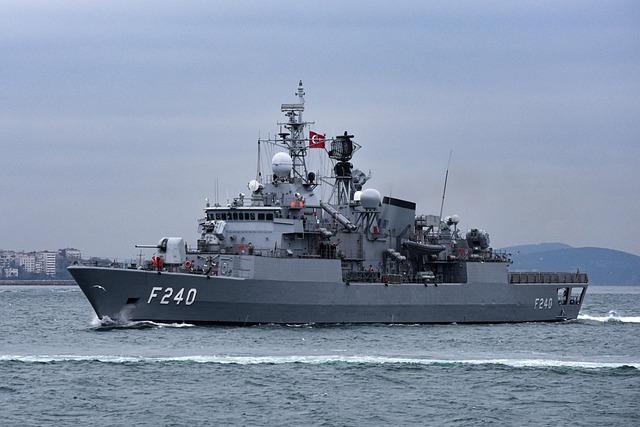
In response to escalating tensions in teh Eastern Mediterranean, the United Kingdom has announced the deployment of a warship and multiple helicopters to its military base in Cyprus. This strategic move follows a recent drone strike that has raised concerns over regional stability and security. The UK government emphasizes its commitment to safeguarding its interests and supporting allied nations amidst growing threats in the area. As geopolitical dynamics in the region continue to shift, this deployment signifies a critical moment in military readiness and international diplomacy, with implications for both the UK and its partners in the face of increasing aerial aggressions.
UK Strengthens Military Presence in Cyprus Amid Rising Tensions from Drone strike
The United Kingdom is ramping up its military deployment to Cyprus in response to escalating tensions following a recent drone strike in the region. This move includes the dispatch of a warship and several helicopters, aiming to reinforce its military capabilities amid rising security concerns. The UK’s strategic military presence in the Eastern Mediterranean has been a long-standing element of its foreign defense policy, and this latest growth underscores the seriousness with which the UK is taking the current geopolitical situation.
Officials have highlighted several key objectives for this enhanced deployment:
- Protecting British interests in the region amid increasing threats.
- Providing humanitarian assistance as necessary, especially in light of potential conflicts that may arise.
- Facilitating joint operations with allied forces to ensure stability and security in cyprus.
As the UK seeks to bolster its readiness and deter further aggression, the focus remains on ensuring that Cypriot nationals and military personnel feel supported during these turbulent times.
Analysis of the Strategic Implications for British Forces in the Eastern Mediterranean
The recent deployment of British naval assets to Cyprus comes at a crucial time, highlighting the evolving security landscape in the Eastern Mediterranean. This strategic positioning reflects the UK’s commitment to ensuring regional stability amid escalating tensions.The enhanced military presence not only serves as a deterrent against potential threats but also reaffirms britain’s role as a key ally in NATO and fosters relationships with local partners. The choice of assets, including a warship and helicopters, indicates a focused approach towards both aerial and maritime security, facilitating rapid response capabilities in a volatile habitat.
Furthermore, the implications for British forces are multifaceted. The ongoing conflicts and geopolitical complexities in the region necessitate a robust operational strategy. Key considerations include:
- Intelligence Gathering: Increased reconnaissance missions will be vital to understanding the dynamics of adversarial activities.
- Humanitarian Assistance: The deployment will also allow for swift assistance in response to any humanitarian crises that may arise due to regional conflicts.
- Partnerships: Strengthening collaboration with Cypriot forces and other regional allies enables more cohesive strategic efforts.
This operational shift not only enhances Britain’s defensive posture but also positions it to influence diplomatic dialogues and peacekeeping initiatives in a historically turbulent area.
Recommendations for Enhanced Security Measures and Diplomatic Engagement in the Region
In light of recent military escalations and the urgent need for stability in the region, it is indeed imperative for involved nations to adopt a multifaceted approach to security. Strengthening defense capabilities through the deployment of advanced surveillance technologies and rapid response units can create a formidable deterrent against potential aggressors. Additionally, nations should consider establishing joint military exercises to foster collaboration and improve strategy alignment among allied forces, enhancing overall regional readiness. The UK’s decision to send a warship and helicopters to Cyprus serves as a crucial step towards ensuring maritime security and safeguarding national interests. This deployment not only underlines the UK’s commitment to maintaining peace but also sends a clear message to adversaries regarding the seriousness of the situation.
Moreover, enhancing diplomatic engagement is equally essential for long-term stability. diplomatic channels should be leveraged to facilitate dialog among nations involved in the conflict, aiming to address underlying tensions and promote mutual interests.Regular summits and consultations can create platforms for constructive discussions, encouraging transparency and building trust among nations. In tandem with military preparedness, a robust diplomatic strategy will be instrumental in de-escalating conflicts and seeking peaceful resolutions. Establishing a framework for conflict resolution that includes key stakeholders in the region lays the groundwork for lasting peace and security, ultimately reducing the likelihood of similar incidents in the future.
The Way Forward
As tensions continue to escalate in the Eastern Mediterranean, the deployment of UK warships and helicopters to Cyprus marks a significant military response in the wake of the recent drone strike. This move not only underscores the UK’s commitment to regional stability but also highlights ongoing concerns over security in a geopolitically sensitive area. With international reactions varying and diplomatic discussions underway,the situation remains fluid. The UK’s presence in Cyprus will likely serve as a deterrent, as world powers closely monitor developments. Further updates will be crucial as the situation unfolds, underscoring the importance of military readiness amidst rising threats.