In Belgium, sweeping protests erupting over rising education costs have culminated in the arrest of more than 100 individuals, as students voice thier concerns over the financial burdens of higher education. The demonstrations, which began as a grassroots movement among university and college students, have quickly garnered national attention, highlighting a growing discontent with the government’s funding policies and the increasing reliance on tuition fees. As the protestors clash with law enforcement and confront barriers erected to manage the burgeoning crowds, calls for systemic reform grow louder. This article explores the factors igniting the unrest,the response from authorities,and the broader implications for Belgium’s education system.
Student Protests Erupt in Belgium Amid Rising Education costs
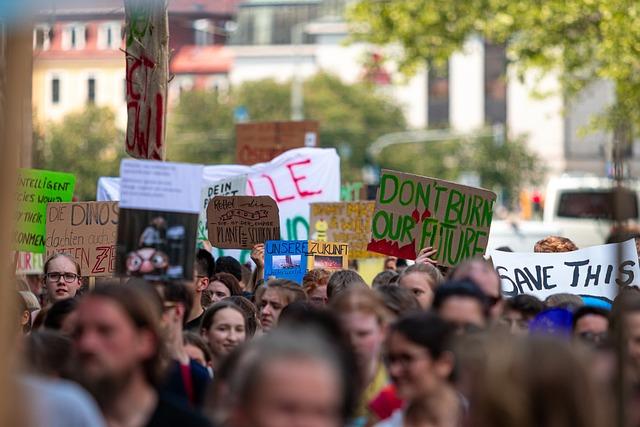
On the streets of Belgium,a wave of student activism has surged as thousands gather to voice their frustration against escalating education costs. The protests, which took place across major cities, attracted a diverse group of students and supporters, all united by their demand for affordable education. Chants and placards filled the air, as participants decried the financial burdens that threaten to limit access to higher education. Authorities reported that tensions soared when demonstrators clashed with police, resulting in over 100 arrests amid escalating unrest.
Students highlighted several key issues driving their discontent, including:
- Rising tuition fees: Many students are struggling to cope with increased costs that exceed their financial capabilities.
- Higher living expenses: As inflation impacts everyday life, students find it increasingly difficult to make ends meet.
- inadequate support systems: Protesters argued that governmental aid and scholarships have not kept pace with the soaring costs of education.
Debates continue to rage regarding the government’s responsibility to address these issues,as students demand not only immediate action but also long-term reforms that prioritize equitable access to education for all. The broader implications of these protests could resonate throughout the European Union, as similar financial pressures mount across member states.
Authorities respond to Unrest as Over 100 Arrested During Demonstrations
In a meaningful escalation of events, authorities clamped down on student protests across Belgium as tensions flared over rising education costs. The demonstrations, organized by various student unions, aimed to draw attention to the financial burdens faced by students amid soaring tuition fees and living expenses. The unrest turned chaotic in several cities, leading to clashes with police who deployed tear gas and water cannons to disperse crowds. As the situation intensified, officials confirmed that over 100 individuals were arrested for violations including vandalism, public disorder, and failure to comply with police orders.
The Belgian government has as issued statements emphasizing the necessity of dialogue between students and educational institutions. Officials acknowledged the importance of addressing student grievances while urging peaceful protest. In response to the unrest, student leaders called for a broader discussion on educational reforms, highlighting key issues such as affordability, accessibility, and quality of education. As both sides navigate this volatile situation, the prospect of further demonstrations looms, intensifying scrutiny on educational policies and their implications for youth in the nation.
Evaluating the Impact of Student Activism on Educational Policy Reforms
The recent student protests in Belgium, resulting in over 100 arrests, highlight the growing frustration among young people regarding exorbitant education costs. Many students argue that the rising costs of tuition and associated fees are obstructing access to higher education, exacerbating existing inequalities. The protests serve as a platform for students to voice their demands for greater accessibility and affordability in the education system. These demonstrations are not merely reactions to current circumstances; they are part of a broader trend of student activism aimed at influencing policy reform in the sector. The impact of these movements has frequently enough led to significant discussions among policymakers, underscoring the importance of student voices in shaping educational landscapes.
In examining the repercussions of such activism, it becomes clear that the pressure exerted by student movements often results in tangible policy discussions.Some outcomes of these efforts include:
- Increased Government Scrutiny: Authorities may be compelled to reassess funding models for higher education.
- Policy revisions: Demonstrations can lead to amendments in existing education policies to better align with students’ needs.
- Direct Engagement with Stakeholders: Educational institutions may initiate dialogues with student representatives to foster collaboration on reform initiatives.
Ultimately, these protests not only shed light on urgent issues but also serve as catalysts for long-term change. By advocating for their rights, students are actively shaping the future of educational policy, ensuring that their voices contribute to the discourse on how quality education can be made accessible for all.
In Conclusion
As the dust settles on the historic protests that swept across Belgium, the events leading to the arrests of over 100 demonstrators highlight a growing discontent among students regarding the rising costs of education. This significant mobilization reflects not only the frustrations of young people but also a broader debate about the future of higher education in the contry. With calls for reform intensifying, the Belgian government faces mounting pressure to address the financial burdens placed on students. As both sides grapple with the implications of these protests, the outcome will likely have lasting effects on the landscape of education in Belgium. Moving forward, all eyes will remain on the dialogue between student leaders and policymakers as they seek pathways to resolution amidst an increasing demand for change.