In a startling escalation of civil unrest, Albania has witnessed a wave of violent protests that have left 347 individuals injured over a two-week period, according to statements from the country’s Interior Minister. The protests, initially sparked by ongoing political grievances and socio-economic frustrations, have intensified, raising concerns about public safety and political stability in the capital, Tirana. As demonstrators continue to clash with law enforcement agencies, the government faces mounting pressure to address the underlying issues driving these unprecedented levels of discontent.This article delves into the events that have transpired during this tumultuous fortnight, examining the root causes of the protests and the government’s response to the burgeoning crisis.
Violence Escalates in Tirana Amidst nationwide Unrest
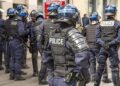
As protests continue to gather momentum in Tirana, the streets have become battlegrounds reflecting the rising tide of discontent among citizens. Over the past two weeks, a staggering 347 injuries have been reported, according to the Interior Minister. Demonstrations, which began as a peaceful expression of frustration over economic conditions and government policies, have tragically transformed into confrontations with law enforcement. in a series of clashes, rubber bullets and tear gas have been deployed by police in an attempt to disperse the crowds, exacerbating tensions and leading to further chaos.
The unrest has raised serious concerns about public safety and the effectiveness of law enforcement responses. Citizens have taken to the streets, driven by a variety of grievances including:
- Economic hardship: Many people are struggling with rising living costs and unemployment.
- Corruption: Protesters allege government mismanagement and a lack of accountability.
- Political repression: There are growing calls for greater freedoms and democratic reforms.
With tensions still simmering, experts warn that the ongoing unrest could have long-lasting implications for stability in Albania, necessitating urgent dialog between protesters and the government to address these pressing issues.
Assessing the Impact of Protests on Public Safety and Stability
The recent violent protests in Tirana, which have reportedly left 347 individuals injured, underscore the growing concerns regarding public safety and community stability. The Interior Minister highlighted the chaos that unfolded over the past two weeks, revealing incidents that have raised alarm among citizens and authorities alike. Alongside the physical injuries sustained, there are broader implications for social cohesion and law enforcement resources.As protests escalated, the risk of confrontations between demonstrators and police increased, disrupting daily life and prompting a heavy security presence.
In assessing the fallout from these demonstrations, several factors come into play:
- Community trust in law enforcement is eroded as violent clashes become commonplace, perhaps leading to higher crime rates.
- Economic activities suffer as local businesses close in response to the unrest, further exacerbating the potential for social discontent.
- Mental health impacts on the population could escalate, with increased anxiety and fear becoming prevalent in communities rocked by violence.
Such consequences not onyl affect the immediate region but may also ripple thru national consciousness, influencing future civic engagement and the overall stability of the nation. Addressing these issues will be critical as Albania navigates the aftermath of these protests and seeks to restore a sense of safety and order.
Recommendations for Strengthening Law Enforcement Response and Community Engagement
In light of the recent unrest resulting in numerous injuries during protests, it is imperative that law enforcement agencies reassess their approaches to handling public demonstrations. Increased training on de-escalation tactics should be prioritized, enabling officers to navigate tense situations without resorting to excessive force. Moreover, integrating community policing strategies will foster a sense of trust and cooperation between police and citizens, ensuring that law enforcement is seen as a protector rather than an adversary. Establishing dedicated units trained in conflict resolution can significantly improve outcomes during future protests.
Strengthening community engagement through dialogue initiatives and regular public forums is essential. Local authorities should collaborate with civil society organizations to create platforms for citizens to voice their concerns and suggest solutions. Implementing joint training programs between law enforcement and community leaders can bridge gaps and promote a more coordinated response to public unrest. Additionally, utilizing technology, such as social media and interactive apps, can facilitate real-time interaction and feedback, improving clarity and accountability within law enforcement operations.
To Conclude
the recent wave of violent protests in Tirana has left a significant mark on the capital, with 347 individuals reported injured over the past two weeks, according to the Interior Minister. The unrest reflects deep-seated tensions within Albanian society, highlighting the urgent need for dialogue and resolution. As the nation grapples with the aftermath of these events, the call for peace and stability grows louder. Authorities are now faced with the critical task of addressing the underlying issues that have fueled these protests, while ensuring the safety and security of all citizens moving forward. As developments unfold, the international community will be watching closely, hoping for a shift towards calm and constructive engagement in Albania.