

Introduction:
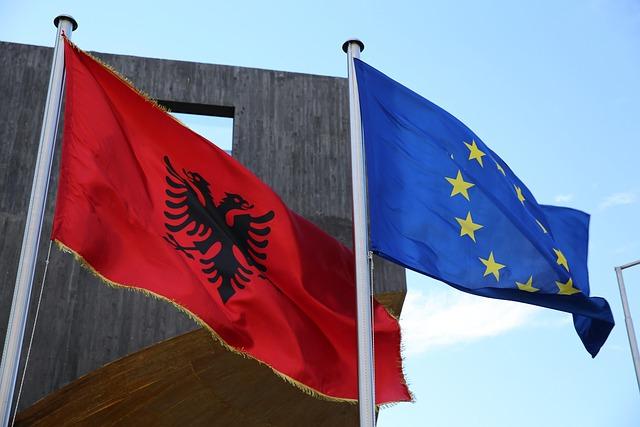
In a significant step towards strengthening democratic governance and civil society engagement in Albania, the third meeting of the EU-Albania Civil society Joint Consultative Committee took place this week at the European Economic and Social Committee (EESC) in Brussels. This pivotal gathering brought together key stakeholders,including representatives from the Albanian civil sector,European institutions,and EU member states,to discuss pressing issues,share insights,and foster collaboration essential for albania’s European integration journey. As the EU’s influence continues to shape the region’s political and social landscape, this meeting underscores the vital role of civil society in advocating for reform and ensuring that the voices of citizens are heard in the decision-making process.
EU and Albania Strengthen Civil society Dialogue at joint consultative Committee Meeting
The recent gathering marked a significant milestone in the collaboration between the European Union and Albania, as civil society representatives convened to purposeful on enhancing democratic practices and social progress. The discussions focused on vital areas such as human rights, openness, and public engagement, aiming to fortify the foundations of a robust civil society in albania. Participants emphasized the necessity for inclusive dialogue and the empowerment of grassroots organizations to ensure that citizens’ voices are heard and respected in policy-making processes.
Key outcomes of the meeting included a commitment to strengthen partnerships among civil society organizations, government entities, and EU institutions. the committee highlighted the importance of building capacities within Albanian civil society to effectively address challenges such as corruption, media freedom, and social inclusion. As participants laid out action plans, they underscored the role of continuous dialogue in fostering an environment conducive to reform and development, setting the stage for a collaborative path forward toward shared European values.
key Insights from the EESC on Promoting Civic Engagement and Rule of Law
The European Economic and Social committee (EESC) has highlighted several pivotal insights during the recent meeting aimed at fostering civic engagement and strengthening the rule of law in Albania. Among the key takeaways are the urgent need for enhanced transparency within governmental institutions, as well as the promotion of inclusive dialogue among stakeholders. EESC members emphasized that civic participation is crucial for democracy,and they encouraged local civil society organizations to proactively engage in policy-making and to hold authorities accountable.
Furthermore, the EESC underscored the importance of education in bolstering civic knowledge among the population. Initiatives aimed at raising awareness of citizens’ rights and responsibilities are essential for meaningful participation in democratic processes. The committee also recommended the establishment of platforms that allow for regular exchange of ideas between civil society and public institutions, thus ensuring that citizens’ voices are heard and integrated into the legislative agenda. Such measures are not only vital for the enhancement of democratic processes but also for restoring public trust in state mechanisms.
Recommendations for Enhancing Collaboration Between EU and Albanian Civil Societies
Building on the discussions held during the 3rd EU-albania Civil Society Joint Consultative Committee meeting, participants emphasized the essential role of strengthening the ties between civil societies in both regions. Recommendations proposed included the establishment of a shared online platform that would serve as a repository for resources, best practices, and collaborative projects. This platform could facilitate easier interaction and provide a space for joint initiatives to flourish. Participants also highlighted the necessity of organizing regular workshops and seminars focusing on capacity building, which would equip civil society actors with the skills needed to effectively engage in policymaking processes.
Moreover, a call for enhanced funding opportunities was made, encouraging the EU to support joint projects that transcend borders. Key suggestions included creating specific grants dedicated to fostering collaborations between EU and Albanian organizations, with an emphasis on grassroots initiatives that address local needs. Additionally, participants advocated for the establishment of a bi-annual forum where civil society representatives could share experiences and insights, ensuring continuous dialogue and collaboration. by implementing these strategies,both EU and Albanian civil societies stand to benefit from a more cohesive partnership,ultimately contributing to democratic development and social progress in the region.
Wrapping up
the 3rd EU-Albania Civil Society Joint Consultative Committee meeting marks a significant step towards strengthening the partnership between the European Union and Albania. The discussions held during this meeting not only highlighted the vital role of civil society in the EU integration process but also underscored the importance of collaborative efforts in addressing shared challenges. As both parties continue to engage in dialogue, the insights gathered will serve as a foundation for future initiatives aimed at fostering democratic values, human rights, and sustainable development in Albania. The commitment displayed by all stakeholders signals a promising path forward as the EU and Albania work together to enhance citizen participation and promote a more inclusive society. As the committees reconvene to assess progress and outline next steps,the momentum generated at this meeting is sure to play a pivotal role in shaping the future of EU-Albanian relations.










