

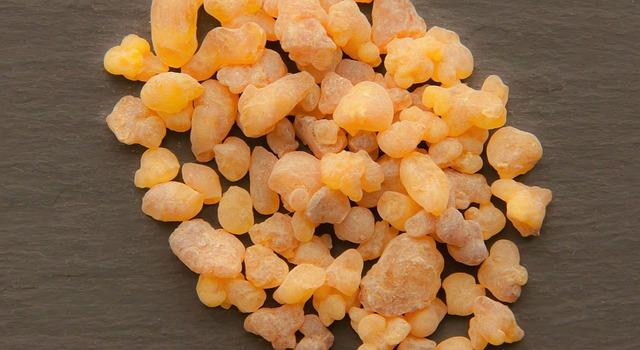
Title: The Vanishing Essence: Why the World is Running Out of Frankincense
In an era marked by an increasing appreciation for ancient traditions and natural remedies, the aromatic resin of frankincense-a staple in religious rites, traditional medicine, and perfumery-faces an uncertain future. Once abundant across the dry landscapes of the Arabian Peninsula and parts of East Africa, this treasured substance is now experiencing a dramatic decline in availability. The reasons behind this alarming scarcity are multifaceted, ranging from environmental changes and unsustainable harvesting practices to the burgeoning demand in global markets. As we delve into the factors contributing to the depletion of frankincense, we uncover not just the intricate balance between nature and commerce, but also the cultural significance of this revered resin, whose very existence may hinge on concerted conservation efforts. Join us as we explore the complex web that surrounds frankincense and the urgent need to safeguard its future.
The Decline of Frankincense: Understanding the Environmental and Economic Factors
The decline of frankincense production has become a pressing concern, rooted in both environmental and economic challenges. The primary source of frankincense is the Boswellia tree, indigenous to regions in the Horn of Africa and parts of the Arabian Peninsula. However, deforestation, climate change, and overharvesting have significantly threatened these trees, leading to a reduction in their populations. Furthermore, increasing temperatures and erratic rainfall patterns disrupt the growth and resin production of Boswellia species, making it harder for communities dependent on this ancient resource to sustain their livelihoods.
Economically, the pressures on frankincense production have deeper implications for local communities, which often rely on the resin as a crucial source of income. The following factors contribute to the economic decline:
- Market fluctuations: Demand for frankincense has risen, but supply has dwindled due to environmental factors.
- Alternative sources: Industries are exploring synthetic alternatives to frankincense, impacting traditional harvesting practices.
- Global trade dynamics: Political instability and logistical issues affect the export of frankincense, limiting access to international markets.
As the reliance on frankincense wanes, a sustainable approach to harvesting and conservation is essential to ensure that these trees can reclaim their place in the ecosystem and continue to support the communities that have relied on them for generations.
Preserving a Precious Resource: Strategies for Sustainable Harvesting Practices
As the demand for frankincense continues to rise, implementing sustainable harvesting practices becomes crucial to prevent the depletion of this invaluable resource. Local communities and businesses must come together to promote responsible extraction methods that allow for the regeneration of frankincense trees. Key strategies include:
- Selective Harvesting: Instead of excessive tapping, only harvesting a percentage of the resin while allowing the tree to recover.
- Monitoring Tree Health: Keeping track of the trees’ conditions to prevent overexploitation and ensure ecological balance.
- Community Education: Providing training programs for harvesters on sustainable techniques and the importance of conservation.
In addition to these practices, collaboration between governments, NGOs, and local communities can facilitate better resource management. Establishing certification programs for sustainably harvested frankincense can also promote ethical sourcing and raise awareness among consumers. A simple overview of costs and benefits might look like this:
| Cost | Benefit |
|---|---|
| Investment in Education | Increased awareness of sustainability |
| Monitoring Initiatives | Protected tree populations |
| Certification Programs | Market preference for sustainable products |
Cultural Significance and Future Prospects: The Role of Frankincense in Global Heritage
Frankincense, derived from the resin of Boswellia trees, has been revered for thousands of years, not just for its aromatic qualities but for its profound cultural significance across various civilizations. It has played a pivotal role in religious rites, ancient practices, and even traditional medicine. In many cultures, frankincense symbolizes purity and spiritual connection, often used in rituals meant to enhance meditation and prayer. The historical trade routes, known as the Incense Routes, illustrate its immense value; frankincense was once considered more precious than gold, signifying its status as a cultural artefact that transcended geographical boundaries and fostered exchanges between distinct societies.
Looking into the future, the sustainability and preservation of frankincense are crucial for maintaining its cultural heritage. The increased demand coupled with deforestation and climate change threatens the Boswellia trees, leading to a potential crisis in frankincense availability. To combat this issue, various strategies can be employed:
- Sustainable Harvesting: Employing practices that ensure the survival of Boswellia species.
- Reforestation Programs: Initiatives to plant and cultivate more Boswellia trees.
- Community Empowerment: Supporting local economies through the sustainable production of frankincense.
By recognizing and addressing these challenges, stakeholders can work collaboratively to ensure that frankincense continues to occupy its revered place in global heritage, preserving its legacy for future generations.
Insights and Conclusions
In conclusion, the shrinking availability of frankincense is a multifaceted issue rooted in ecological, economic, and cultural dynamics. As demand continues to rise for this ancient resin, the pressures from deforestation, climate change, and unsustainable harvesting practices become increasingly evident. The consequences extend beyond the loss of a beloved aromatic component in religious rituals and wellness practices; they threaten the livelihoods of communities that have relied on frankincense for generations.
Efforts towards sustainable sourcing and conservation initiatives are vital in ensuring that we do not lose this precious resource forever. As we navigate the complexities of globalization and environmental stewardship, it is crucial to raise awareness about the significance of frankincense and to advocate for practices that honor both its cultural heritage and ecological integrity. The challenge ahead lies not only in managing consumption but also in rejuvenating the very ecosystems that give rise to frankincense, preserving this age-old treasure for future generations to appreciate and enjoy.










