
The Sudanese Crisis: A Global Imperative for Action
Sudan has emerged as a focal point of international concern, with its ongoing internal strife reverberating throughout the global community. Once seen as a nation poised for renewal after enduring extensive periods of conflict and political upheaval, Sudan now faces a multifaceted crisis that threatens not only its own stability but also poses risks to regional and global security. The resurgence of violent clashes among competing factions, combined with urgent humanitarian needs affecting millions, creates a dire scenario that demands immediate global attention. This article delves into the critical factors contributing to Sudan’s turmoil while exploring the wider geopolitical ramifications and outlining essential actions required from the international community to avert further escalation.
The Humanitarian Crisis in Sudan: Implications for the Region
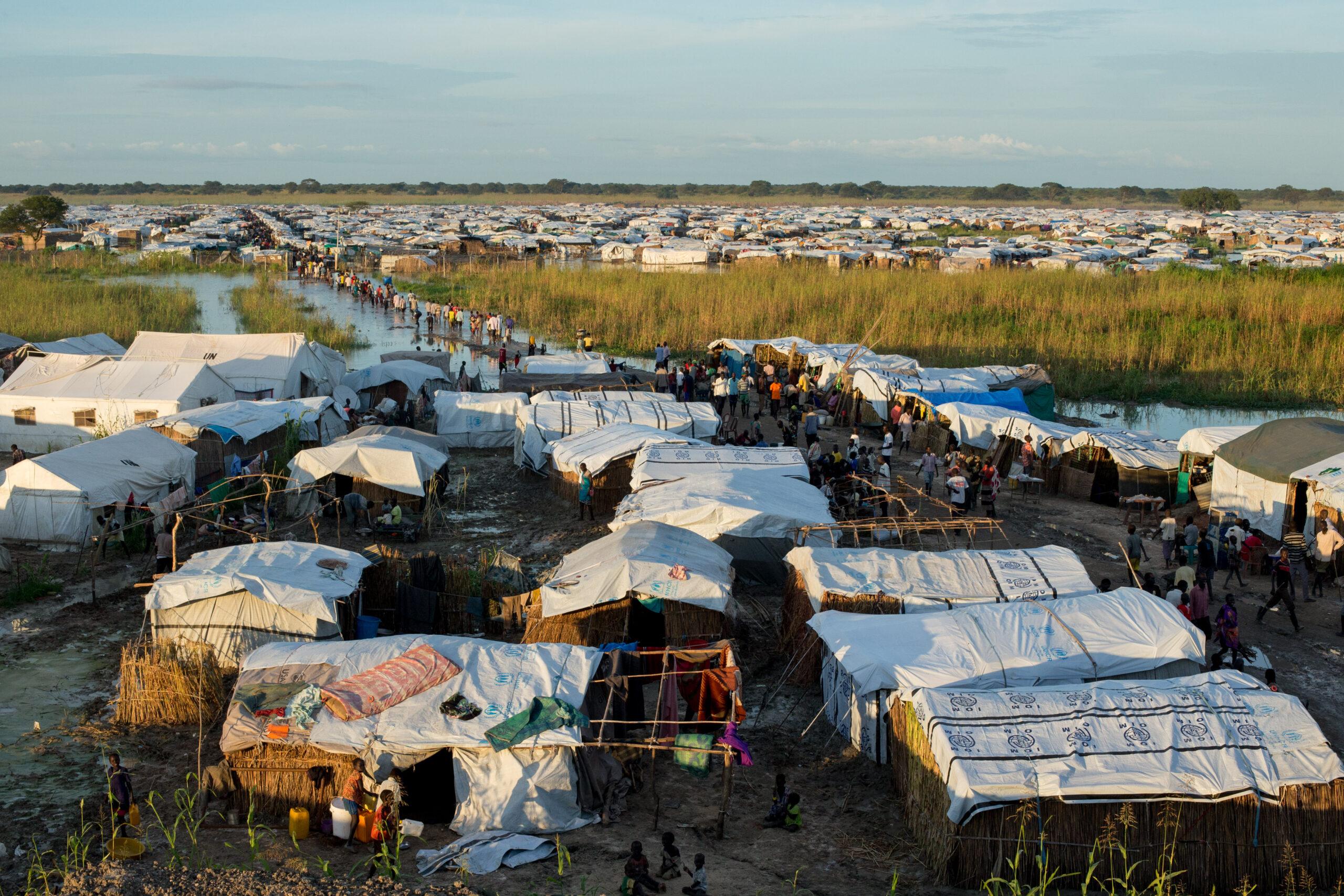
The ongoing humanitarian crisis in Sudan has been exacerbated by years of conflict and instability, resulting in widespread suffering among its population. Currently, more than 18 million people are urgently seeking humanitarian assistance due to unprecedented levels of food scarcity. Several key elements have contributed to this alarming situation:
- Violence and Displacement: Continuous armed conflicts have forced nearly 2 million individuals from their homes within Sudan, pushing families into precarious living conditions.
- Economic Collapse: The failure of essential services alongside economic downturns has led to soaring inflation rates and widespread poverty.
- Human Rights Violations: Increasing reports of severe abuses against civilians highlight an urgent need for international intervention.
This critical situation carries meaningful implications for neighboring countries that could face destabilization due to escalating chaos within Sudan’s borders. Nations such as South Sudan, Ethiopia, and Chad are preparing for an influx of refugees-an event likely to strain their already fragile systems. Potential spillover effects include:
- A Surge in Refugees: Neighboring nations are grappling with challenges related to accommodating growing numbers of displaced persons from Sudan.
- Securitization Risks: The potential spread of violence may lead to instability spilling over into adjacent regions.
- A Humanitarian Strain:The increased demand on regional aid resources could divert attention away from other local crises.
The Role of International Actors: Responding Effectively
The escalating crisis in Sudan-a combination marked by political unrest and humanitarian disaster-demands decisive action from global powers and organizations alike. These entities play a crucial role in responding effectively through diplomatic engagement, financial support, and humanitarian assistance initiatives. Key areas where international actors must concentrate their efforts include:
- < strong>Diplomatic Efforts:Pursuing dialogue between conflicting parties is vital for fostering peaceful resolutions.
- < strong>Tangible Humanitarian Aid:< / strong >Providing resources aimed at addressing food insecurity is essential for affected populations.
- < strong >Security Support Programs:< / strong >Assisting local peacekeeping forces can help restore order while protecting civilian rights.
- < strong >Long-term Economic Investments:< / strong >Allocating funds towards enduring progress initiatives will be pivotal in achieving lasting stability.< / li >
Collaborative efforts among nations can yield effective strategies designed to mitigate risks associated with complete collapse. Below is an overview showcasing commitments made by various international players regarding their involvement in supporting Sudan:
| Country/Institution | Type of Support | Amount Committed |
|———————-|———————–|——————|
| United Nations | Humanitarian Aid | $500 million |
| European Union | Economic Assistance | $200 million |
| United States | Security Support | $300 million |
| African Union | Diplomatic Mediation | N/A |
These contributions are crucial as they aim at preventing further deterioration within the context surrounding Sudan while underscoring the importance placed on collective action toward peacekeeping amid ongoing conflicts.
A Unified Global Strategy: Fostering Stability in Sudan
Given the complex crises enveloping this nation today; it is imperative that stakeholders worldwide unite strategically toward establishing pathways leading back toward stability and peace within its borders. International coalitions should prioritize diplomatic engagement aimed at facilitating discussions between conflicting factions through platforms like the United Nations or African Union-essentially working towards achieving sustainable ceasefires.
Moreover,
- < span style="font-weight:bold;">Financial Resources should be allocated specifically targeting immediate humanitarian needs such as food insecurity or health emergencies faced by many citizens today;
< li >< span style="font-weight:bold;">Training Initiatives focused on conflict resolution skills must be implemented targeting local leaders;
< li >< span style="font-weight:bold;">Establish Monitoring Missions ensuring compliance with any agreements reached during negotiations will protect civilian lives effectively moving forward;
Additionally raising public awareness about these issues globally remains crucial; social media campaigns alongside partnerships formed with NGOs can amplify voices calling out injustices experienced daily throughout communities across this region-mobilizing resources more efficiently than ever before!
A structured framework guiding these initiatives might look like this:
| Strategy | Description | Expected Outcome |
|———————–|————————————————–|———————————-|
| Diplomatic Engagement | Facilitate dialogue between conflicting parties | Achieve lasting ceasefire |
| Economic Aid | Provide financial support aimed at rebuilding infrastructure  || Strengthen local economies  |Your Role Matters
Sudan’s current predicament signifies not merely a national tragedy but rather represents intricate challenges impacting global dynamics far beyond its geographical confines.As internal discord escalates into widespread human suffering,the repercussions extend deeply into realms concerning regional stability,socioeconomic consequences,and overall security worldwide.The urgency surrounding coordinated responses cannot be overstated; addressing both immediate needs along long-term drivers fueling ongoing tensions requires unwavering commitment from all involved stakeholders.As we observe developments unfold,it becomes increasingly significant that leaders remain informed while actively engaging others around them recognizing our shared obligation lies collectively shaping brighter futures ahead!










