

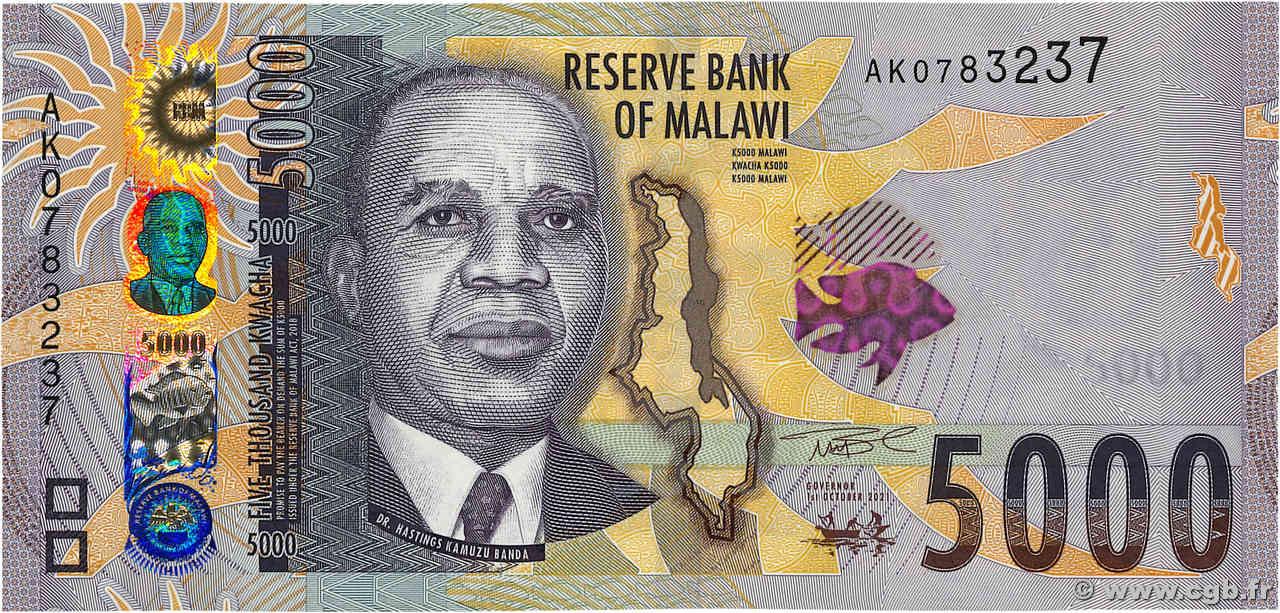
In a troubling development for the Zambian economy,the local currency,the kwacha,has plummeted to a record low amid escalating concerns over the impact of severe drought conditions. As the country grapples with the dual challenges of a weakened currency and diminished agricultural output, experts warn that these factors could exacerbate already precarious economic conditions. The situation has raised alarms among economists and policymakers alike, as Zambia relies heavily on agriculture and exports, both of which are now under threat. this article delves into the multifaceted reasons behind the kwacha’s decline, the implications for the Zambian populace, and the broader economic risks that accompany a protracted drought.
Kwacha Depreciation Signals Economic Vulnerability Amid Drought Conditions
The recent decline of the Zambian kwacha to unprecedented lows highlights the pressing vulnerabilities within the nation’s economy, further exacerbated by the ongoing drought conditions. As agricultural output dwindles, especially in staple crops, the country is facing dual challenges: supply shocks and inflating prices. This confluence of factors has led to a significant loss of investor confidence, prompting capital flight and a subsequent plunge of the local currency.The agricultural sector, which traditionally serves as a backbone of the economy, is now teetering on the brink, with farmers grappling with severe water shortages impacting yields.
To illustrate the dire economic landscape, consider the following key points concerning the kwacha’s performance and its implications on the broader economy:
- Exchange Rate Impact: The kwacha has devalued by over 15% against major currencies since the onset of drought.
- Inflation Risk: Food inflation has surged, driven by decreased supply and increased transport costs.
- Investor Sentiment: Stakeholders express growing concerns about long-term investments in a climate of uncertainty.
As the situation evolves, it becomes essential for policymakers to implement immediate and effective measures to stabilize the currency and restore confidence among investors while addressing the underlying challenges posed by climate conditions.
Impact of Adverse Weather on Agricultural Output and Food Security
As Zambia grapples with the consequences of severe drought, the agricultural sector is facing unprecedented challenges. The persistent lack of rainfall has led to substantially reduced crop yields, impacting the country’s staple foods such as maize and beans. Farmers are reporting dramatic declines in productivity, with many regions experiencing complete crop failure. This situation not only threatens farmers’ livelihoods but also jeopardizes the nation’s food supply, exacerbating already precarious conditions for vulnerable populations.
The ramifications of decreased agricultural output extend beyond immediate food shortages; they pose a direct threat to food security and the country’s economic stability. With the currency slipping to record lows, increased import costs for food and agricultural inputs further strain the economy. Critical factors contributing to this precarious situation include:
- Soil degradation – Continuous farming without adequate soil management practices has diminished soil fertility.
- Climate change – Erratic weather patterns are becoming more common, leading to unpredictable growing seasons.
- Pest infestations – Extended drought conditions can exacerbate pest problems, leading to further crop losses.
To illustrate the situation, consider the following table showing projected impacts on key crops:
| Crop | Projected Yield Loss (%) | Expected Impact on Food Supply |
|---|---|---|
| Maize | 40% | Severe |
| Beans | 30% | Moderate |
| Groundnuts | 25% | low |
Policy Recommendations for Stabilizing the Currency and Mitigating Risks
To address the ongoing economic challenges posed by the Kwacha’s depreciation and the adverse effects of drought, a multifaceted approach is essential. First, the government should strengthen its monetary policy framework to enhance the credibility of the central bank. Key strategies include:
- Increasing interest rates to stabilize inflation and attract foreign investment.
- Implementing strict monetary controls to reduce excess liquidity in the market.
- Enhancing transparency in monetary policy decisions to build confidence among investors and the public.
The focus should also be on promoting agricultural resilience, given that drought significantly impacts food production and the overall economy. By investing in irrigation, drought-resistant crops, and modern farming techniques, Zambia can mitigate the agricultural sector’s vulnerabilities.
Along with monetary measures, fiscal policies must be aligned to support economic stability. the government should prioritize key fiscal initiatives:
- Reviewing and optimizing tax incentives to encourage investment in key sectors.
- Reducing needless expenditure while focusing on essential services to maintain budgetary discipline.
- Encouraging public-private partnerships to leverage additional funding and expertise for infrastructure projects.
Furthermore, establishing a contingency fund to address future emergencies can provide a financial buffer to absorb shocks from unforeseen events, such as natural disasters or external economic pressures. This proactive approach will help stabilize the economy, support the currency, and ultimately foster a more resilient financial environment for Zambia.
The Way Forward
As Zambia grapples with the dual challenges of a depreciating currency and the escalating impacts of drought, the situation remains precarious for both the economy and the livelihoods of its citizens.The kwacha’s unprecedented decline is not just a financial issue; it reverberates through the agricultural sector, where diminished rainfall threatens food security and the livelihoods of farming communities. as stakeholders including policymakers, economists, and farmers navigate these turbulent waters, the urgent need for comprehensive strategies to mitigate these risks becomes clear. With careful planning and international support, there might potentially be pathways to stabilize the currency and bolster resilience against the increasingly unpredictable climate. Only time will tell if Zambia can overcome these formidable odds and chart a enduring course for its future.










