

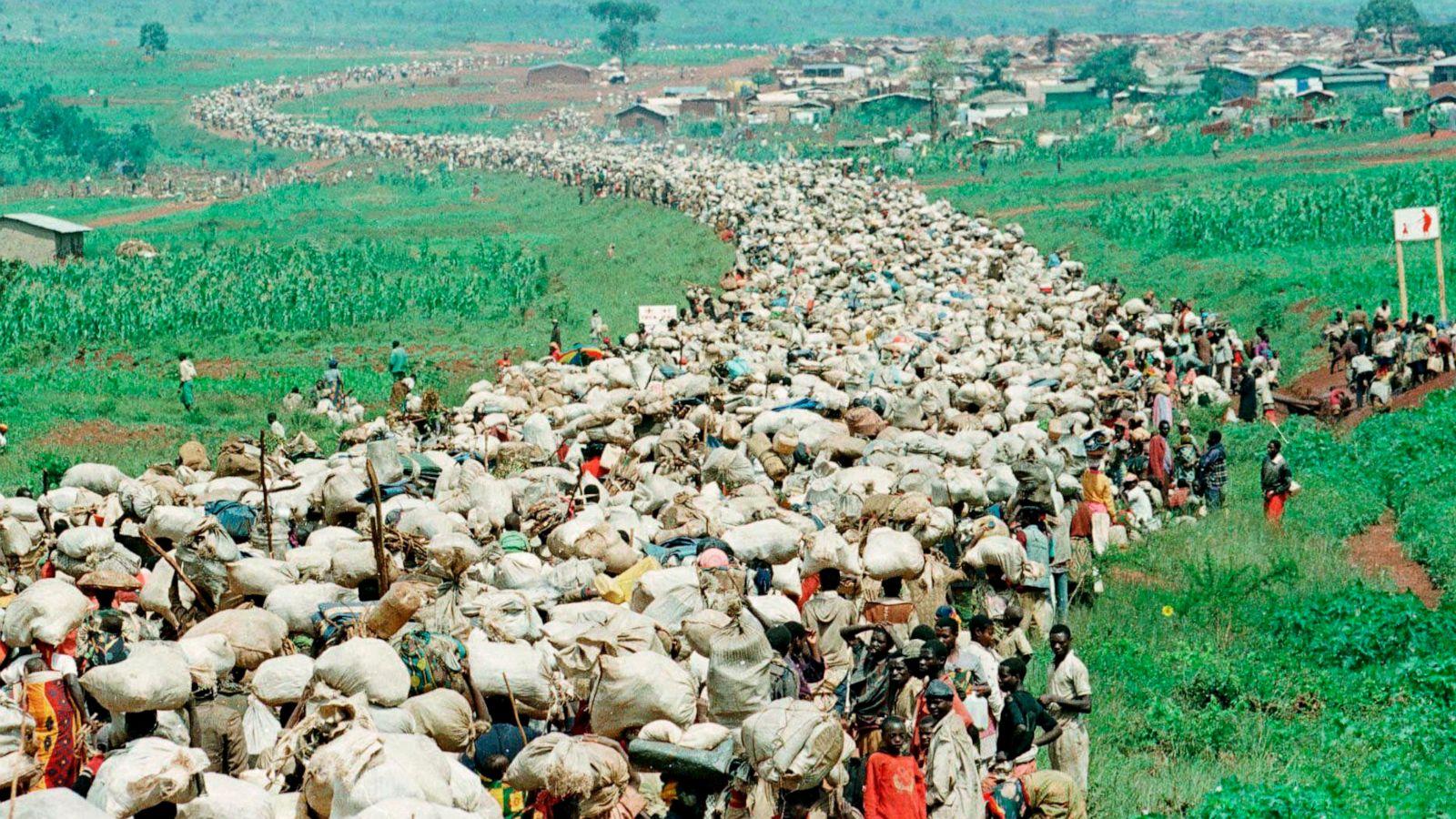
The Path to Healing in Rwanda: Insights on the Genocide and Its Aftermath
In April 1994, Rwanda experienced a horrific genocide that claimed around 800,000 lives within just 100 days. This tragic event left deep scars on the nation’s social fabric and collective memory. As the world watched in shock, Rwanda’s remarkable journey from chaos to reconciliation has become a compelling story of resilience, strength, and the arduous process of healing. This article explores the complex aftermath of the genocide by examining reconciliation efforts, survivor stories emerging from profound trauma, and important lessons learned from this dark chapter in history. By referencing credible sources such as Britannica, we analyze how Rwanda has navigated its path toward justice and unity while confronting its painful legacy.
Impact of the Rwandan Genocide on Society and Governance
The repercussions following Rwanda’s genocide have significantly influenced societal dynamics and governance structures within the country. Many survivors continue to struggle with lasting trauma and loss that have fractured community trust and cohesion. The enduring impacts include:
- Social Fragmentation: Deep-seated divisions remain between Hutu and Tutsi communities as historical grievances resonate through generations.
- Population Changes: The genocide drastically shifted demographic patterns by resulting in approximately 800,000 deaths-this imbalance has impeded both population recovery efforts and economic development.
- Gender Disparities: A significant number of female survivors faced unique challenges such as increased rates of sexual violence alongside economic difficulties.
The governance strategy adopted by post-genocide Rwanda has focused on promoting reconciliation alongside developmental initiatives. Various measures have been implemented to rebuild trust among citizens including:
- Gacaca Courts: These community-based courts were established to address crimes committed during the genocide while fostering local participation in justice processes.
- The National Unity and Reconciliation Commission (NURC): This body encourages healing through dialogue initiatives aimed at memorializing victims while integrating diverse perspectives about past events.
- Pursuit of Decentralization: By empowering local governments, Rwandan authorities aim to enhance civic engagement ensuring developmental benefits reach all community members directly.
Initiatives for Reconciliation: Healing a Fractured Nation
Soon after enduring one of history’s darkest periods in 1994, Rwanda embarked on an ambitious quest for reconciliation aimed at mending societal wounds. Key initiatives were launched to foster dialogue across communities with an emphasis placed on weaving together narratives shared by both victims and perpetrators alike. Notably, Gacaca courts , which facilitated localized justice mechanisms played an essential role during this period by addressing grievances publicly while promoting communal healing processes. Today’s survivors actively engage in projects like umubano (community development), showcasing their resilience amidst ongoing grief.
Additonally,the Rwandan government has rolled out numerous policies designed specifically for reinforcing national unity whilst rebuilding trust among various ethnic groups residing within its borders including:
- Curriculum Reform:Aimed at presenting historical accounts more equitably across educational platforms.
- Mourning Commemorations:An annual observance dedicated to honoring those lost during these tragic events facilitating collective mourning experiences for all citizens involved .
- < strong >Integration Programs :Economic strategies encouraging former combatants’ transition back into civilian life .
As it progresses forward ,Rwanda continues emphasizingcommunity-driven healing efforts ,which prioritize understanding ,dialogue ,and collaboration reflecting commitment towards establishing future conditions conducive for lasting peace . Below is an overview summarizing key reconciliation initiatives :
< strong >Initiative < strong >Description
National Unity & Reconciliation Commission (NURC) Facilitates dialogues promoting policies geared towards peace & unity .< /td >
< /tr >< Survivor Support Programs< /td >< Provides resources aiding genocide survivors.< /td >< < /tr > < Dialogue Forums< /td >< Encourages conversations fostering mutual understanding between former adversaries.< /td >< < /tr > < /tbody >
Empowering Survivors: Building Resilience Post-Genocide in Rwanda
The aftermath following Rwanda’s tragic events presented immense physical as well as psychological hurdles for many survivors who now face daunting paths toward recovery . Their journey involves not only individual determination but also robust support systems provided through various organizations along with governmental assistance programs focused primarily upon addressing immediate needs such as healthcare access ,psychological counseling services,andeconomic empowerment opportunities .
Beyond meeting immediate requirements,fostering resilience amongst these individuals remains crucial throughout their recovery process.Initiatives designed specifically around promotingsocial cohesion & reconciliationaimed at unifying previously divided communities often encourage open discussions via inclusive gatherings or collaborative projects demonstrating effectiveness when building trust levels.The following table illustrates significant aspects related successful resilience-building endeavors :
/ tr>
/thead>
Community Dialogue Sessions
Conflict Resolution
Increased Trust
/ td>
/ tr>
Women’s Empowerment Workshops
Economic Independence
Job Creation
/ td>
/ tr>
Trauma Healing Programs
Mental Health
Improved Wellbeing
/tr>
/tbody>
/table/
In conclusion,the legacy stemming from Rwandas horrific experience remains deeply etched within its national narrative symbolizing both unimaginable suffering yet remarkable fortitude exhibited throughout this ordeal.The concerted actions taken toward achieving reconciliatory measures coupled with pursuit justice play pivotal roles necessary rebuilding fractured societies ultimately nurturing sense belonging amongst diverse populations.Survivors now embodyers pain strength continue integral participants shaping ongoing journeys reminding us all about enduring human spirit prevailing against adversity.As they forge ahead,Rwanda draws upon invaluable lessons derived during dark times serving not only testament resilient people but cautionary tale urging vigilance combating hatred division globally inviting reflection engagement striving create brighter futures rooted dignity peace accessible every citizen.
Justice Denied: The Disparity Between Sentenced Albanians and Unpunished Serbian Atrocities
In a controversial ruling, four Albanians have been sentenced to an astonishing 81 years in prison for war crimes, sparking...
Read moreDetails![Startling Revelation: TFA Detected in Every Blood Sample from 110 Europeans!]()
![Exposing the Hidden Threats: A Gripping Film on Africa’s Digital Struggles]()
![Surge in Cannabis Smuggling: North America and Thailand Set Their Sights on Europe]()
![Is Asia’s Largest Market Losing Steam in the LNG Boom?]()
![Philippines Shocks Uzbekistan in Thrilling Davis Cup Upset!]()
![Don’t Miss the Epic Clash: Serbia Takes on the Netherlands Live on September 27, 2026!]()
![Austrian 10-Year Bond Yields Surge to a 15-Year High!]()
![Estonia Makes a Bold Move: Stops Transit of Russian and Belarusian Grain!]()
![Belgium to Send Three F-16s to Ukraine by Year’s End!]()
- < strong >Integration Programs :Economic strategies encouraging former combatants’ transition back into civilian life .










