

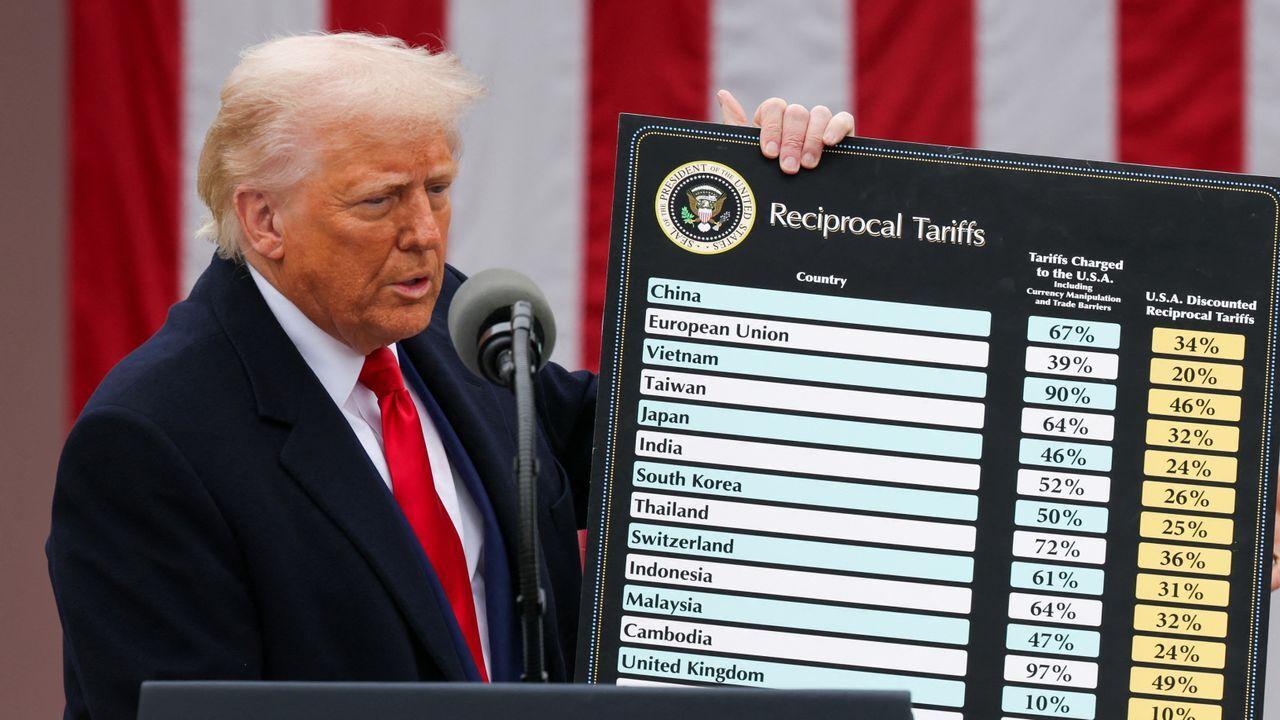
In a striking response to the U.S. announcement of sweeping global tariffs, financial markets across Asia and Europe have experienced notable declines, reflecting growing concerns over escalating trade tensions and potential economic repercussions. The tariffs, intended to bolster domestic industries, have sparked fears of retaliation and a ripple effect through the interconnected global economy. As investors grapple with the implications of these protectionist measures, key indices in major markets have plunged, signaling a turbulent phase ahead. This article delves into the immediate impact of the U.S.tariff policy on international markets, examining the reactions from investors and analysts alike, and exploring what these developments may mean for global trade moving forward.
Impact on Asian economies as Tariff Fears take Hold
The recent announcement of global tariffs by the U.S. has sent ripples across Asian economies,causing immediate reactions in stock markets and economic forecasts. Nations heavily reliant on exports, such as China, Japan, and South Korea, are especially vulnerable. With the threat of increased tariffs on key goods, businesses in these countries face greater uncertainty, which may deter investment and slow down economic growth. Analysts are already predicting potential long-term effects, including:
- Reduced export competitiveness for Asian manufacturers.
- Decreased foreign direct investment as international companies reassess risk exposure.
- Supply chain disruptions that could lead to increased production costs.
In response to these tariff fears,several asian governments are strategizing to mitigate potential fallout. Initiatives may include forging closer trade ties within the region and diversifying markets to reduce reliance on U.S. imports. While some economies might seek short-term relief through immediate policy adjustments, the broader implications of such tariffs could reshape the landscape of trade among Asia, diminishing their roles in global supply chains.Below is a summary of potential economic impacts on major Asian economies:
| Country | Potential Impact | Response Strategy |
|---|---|---|
| China | Decrease in exports; Increased production costs | Diversify export markets; Invest in domestic consumption |
| Japan | Slowdown in manufacturing; Decline in foreign investment | Strengthen trade agreements in the region |
| South Korea | Loss of competitive edge; Impact on technology exports | Enhance innovation; Focus on R&D |
European Markets React with Volatility Amid Trade Tensions
Following the U.S. government’s recent announcement of new global tariffs, European markets have experienced significant fluctuations as investors react to the potential repercussions on trade.Major indexes in europe, including the FTSE 100 and DAX, opened lower, reflecting a wave of uncertainty that has spread across the continent. Analysts are concerned that escalating trade tensions could lead to slower economic growth and disrupt established supply chains. Some key factors contributing to the market volatility include:
- Increased costs for imported goods, affecting prices and consumer spending.
- Global economic slowdown fears,leading to reduced investments.
- Currency fluctuations exacerbated by protective measures and retaliatory tariffs.
Furthermore, uncertainty surrounding negotiations between the U.S. and its trading partners has created a tense atmosphere in the markets. Some sectors are feeling the strain more than others, as evidenced by the following performance indicators from selected industries:
| Sector | Change (%) | Key Considerations |
|---|---|---|
| Automotive | -2.3% | High exposure to tariffs and international supply chains. |
| Technology | -1.8% | Potential for export restrictions on hardware. |
| Retail | -1.5% | Increased prices may reduce consumer demand. |
Navigating Uncertainty: Strategic Recommendations for investors
In the face of rising global tariffs announced by the U.S., investors are confronting a turbulent market surroundings, particularly in Asia and Europe where recent sell-offs have highlighted vulnerabilities in equity markets. Now more than ever, understanding the interconnectedness of global trade policies and their implications for local economies is paramount for making informed investment decisions. To effectively navigate this uncertainty, investors should consider the following strategic recommendations:
- Diversification: Expand investment portfolios to mitigate risk. Focus on sectors less susceptible to tariff impacts, such as technology and renewable energy.
- Geographical spread: Consider reallocating assets into emerging markets that may benefit from shifts in global supply chains, potentially bolstering growth and reducing dependency on U.S.markets.
- Regular Assessment: Conduct regular reviews of investments, adjusting strategies in response to evolving geopolitical climates and economic indicators.
It may also be prudent to maintain a cash reserve for opportunistic buying when market valuations decline significantly due to panic selling. Furthermore, establishing clear exit strategies can provide investors with peace of mind, enabling them to respond swiftly while avoiding emotional decision-making during periods of volatility. The potential for a rebound should not be overlooked, especially in sectors poised for growth as they adapt to the new economic landscape shaped by tariffs.
| Strategy | Description |
|---|---|
| Diversification | Invest in various sectors and assets to spread risk. |
| Geographical Spread | Look into emerging markets with growth potential. |
| Regular Assessment | continuously review and adapt investment strategies. |
| Cash Reserve | Maintain liquidity for potential buying opportunities. |
| Clear Exit Strategies | Have predefined plans to minimize losses. |
In Conclusion
the recent announcement of global tariffs by the U.S. government has sent shockwaves through financial markets in Asia and Europe, reflecting the deep interconnectedness of today’s global economy. Stock exchanges across the region responded swiftly, with declines that highlight investor anxiety over the potential repercussions of trade tensions and economic uncertainty. As stakeholders assess the longer-term implications of these tariffs, experts suggest that vigilance is essential.The landscape remains dynamic, with countries and markets poised to adapt to shifting trade policies. As we continue to monitor these developments, the potential for further economic ripple effects underscores the need for informed discourse on trade relations and their impact on global stability.










