

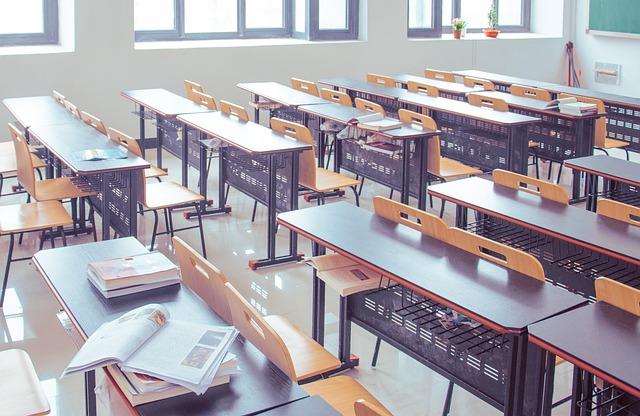
As the new school year commences, students across the United States are stepping back into classrooms that are not only filled with the excitement of learning but also the oppressive heat of rising temperatures. A recent investigation by Time Magazine reveals that many educational institutions are grappling with dangerously high classroom temperatures, posing serious health risks to students and educators alike.With summer extending its reach deeper into the fall months, and air conditioning systems frustrated by outdated infrastructure or budgetary constraints, the consequences of these sweltering conditions can be severe. This article delves into the impact of extreme heat on academic performance, mental health, and overall well-being, while also highlighting the urgent need for policy changes to ensure safe and conducive learning environments across the nation. As communities grapple with the intersection of climate change and education, the question remains: how can schools protect their most vulnerable populations from the growing threat of excessive heat?
classroom Heat Poses Serious Health Risks for Students and Educators
As temperature records continue to break across the nation, classrooms are becoming increasingly inhospitable. Elevated heat levels can lead to significant health issues for students and educators alike, exacerbating existing conditions and hindering academic performance. Heat-related illnesses, including heat exhaustion and heat stroke, pose immediate threats, particularly to vulnerable populations such as young children and those with pre-existing health conditions. Furthermore, studies have shown that high classroom temperatures can negatively impact focus and retention, leading to declines in overall student achievement.
The consequences extend beyond physical health. Chronic discomfort and irritability induced by sweltering conditions can lead to increased incidents of absenteeism and behavioral problems. community members are voicing their concern over the outdated infrastructure of many schools, were inadequate ventilation and ineffective cooling systems fail to protect those within. As classrooms grapple with the dual pressures of ongoing climate change and public health challenges, it has become crucial to prioritize improvements in school environments. Steps such as enforcing stricter climate control regulations and investing in lasting cooling solutions may prove vital for safeguarding the well-being of students and educators during these sweltering months.
Innovative Solutions to Combat Rising Temperatures in Schools
In recent years, the alarming rise in classroom temperatures has necessitated a critical reevaluation of how schools can adapt to extreme weather conditions. Innovative solutions are emerging, with many districts exploring a range of strategies aimed at enhancing student comfort and ensuring effective learning environments. Among these initiatives, green roofing systems are gaining traction for their ability to insulate buildings and absorb heat, providing a natural cooling effect. Additionally, the integration of solar energy sources, such as photovoltaic panels, not only reduces overall energy costs but also powers advanced cooling systems, creating a sustainable model that addresses climate adaptability.
Moreover, several school districts are prioritizing natural ventilation techniques that utilize airflow to regulate temperatures efficiently. this approach includes strategically placed windows and ventilation systems designed to enhance airflow during peak heat periods. the implementation of smart technology is also becoming commonplace, allowing for real-time monitoring of classroom temperatures and optimizing HVAC operations. As these innovative measures demonstrate positive results, many educators and administrators remain hopeful that an interdisciplinary approach-combining architecture, technology, and environmental science-will ultimately lead to a more sustainable and comfortable learning environment for students across the nation.
urgent Policy Changes Needed to Ensure Safe Learning Environments
The alarming rise in classroom temperatures across the United States is forcing students and educators to endure conditions that are not only uncomfortable but also hazardous to health and learning. with climate change intensifying heatwaves, many school buildings, particularly older structures lacking modern air conditioning, are becoming veritable saunas during peak summer months. This escalating crisis requires decisive action from policymakers at all levels to safeguard the well-being of our students and ensure that learning is not compromised by heat-related challenges.
To effectively combat this growing issue, a multi-faceted approach must be adopted that includes:
- Investment in Infrastructure: Allocating funds for retrofitting schools with adequate cooling systems and insulation to regulate indoor temperatures better.
- Health Guidelines: Establishing thorough health and safety protocols that account for extreme weather conditions to protect students and staff.
- Flexible Scheduling: Reevaluating school start times and daily schedules to avoid the hottest parts of the day.
- Community Partnerships: Collaborating with local governments and organizations to create cooling centers that can provide relief for students during heatwaves.
The urgency of these policy changes cannot be overstated; the future of academic achievement, mental health, and overall safety depends on it.
Closing Remarks
As students across the nation step back into their classrooms, the alarming reality of dangerously high temperatures looms large over education systems already grappling with the challenges of post-pandemic recovery. Experts warn that the combination of rising temperatures and inadequate infrastructure not only threatens student health but also undermines academic performance and overall learning environments. As this crucial issue gains visibility, it is imperative for policymakers, educators, and community leaders to prioritize solutions that ensure safe and conducive spaces for all students. With temperatures on the rise, the call for action is clear: America must not only invest in climate resilience but also foster educational equity, ensuring that every child has the opportunity to thrive in a safe and stable environment.As discussions around climate change and its implications escalate, the urgency to address the overheating of our classrooms cannot be overstated. The future of our students-and their education-depends on it.










