

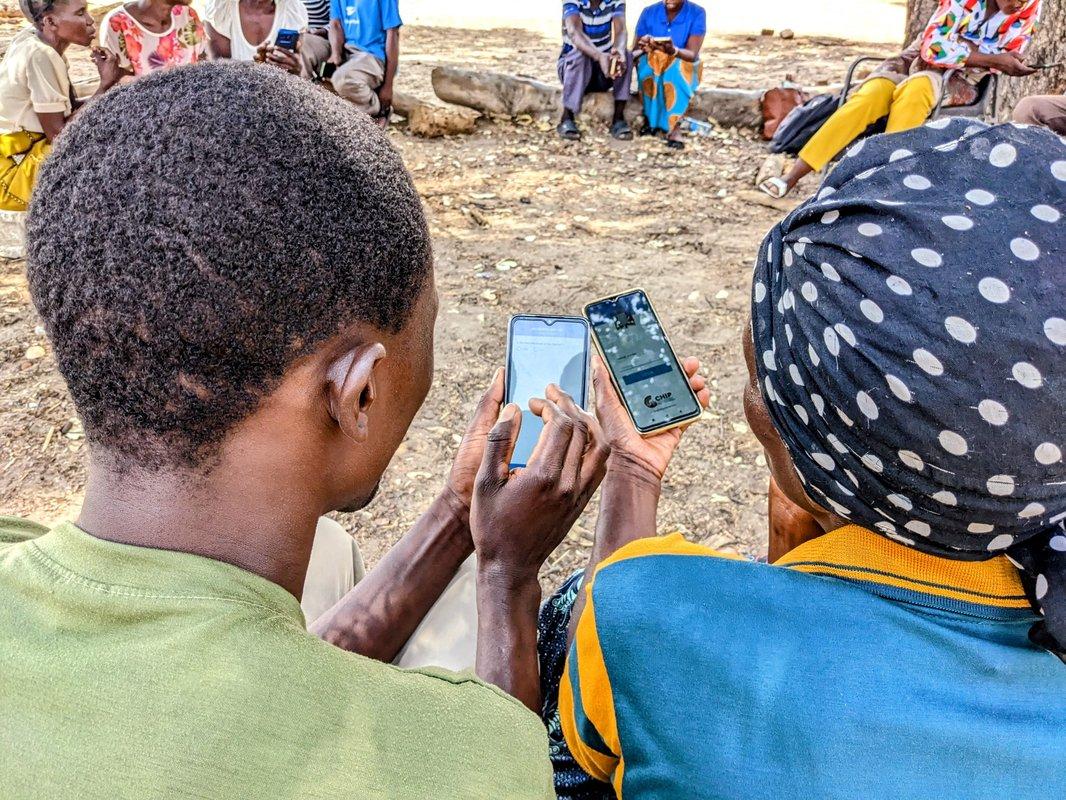
Revolutionizing Healthcare in Zambia: A Digital Transformation Journey
Zambia,located in the heart of Sub-Saharan Africa,is currently grappling with a notable challenge: providing effective and accessible healthcare to its varied population. The country’s diverse geography encompasses both bustling urban areas and remote rural communities, making it essential to adopt a cohesive strategy for health service delivery. Enter PATH, an organization at the forefront of this transformation, dedicated to modernizing Zambia’s healthcare framework by shifting from outdated paper-based systems to advanced digital solutions. This initiative aims not only to boost the efficiency of healthcare services but also to empower local communities, enhance patient outcomes, and ultimately create a healthier future for all Zambians. As Zambia embarks on this digital journey, the implications for community health care are substantial—ushering in an era characterized by streamlined operations, improved data management practices, and increased accessibility for every citizen. In this article, we delve into PATH’s strategies, the obstacles encountered along the way, and what this transformation means for Zambia’s healthcare landscape.
Digital Innovation in Community Healthcare
The community health care sector in Zambia is witnessing a significant shift as digital technologies begin replacing antiquated paper systems.With mobile health innovations and refined data management platforms emerging on the scene, healthcare professionals can now access vital patient data instantly—greatly improving care delivery efficiency. These advancements empower local health providers by enabling them to:
- Optimize Patient Management: Digital records minimize errors while enhancing tracking capabilities of patient histories.
- Enhance Resource Distribution: Data analytics allow administrators to allocate resources more effectively based on community needs.
- Improve Communication: Instant messaging tools facilitate better interactions between patients and providers—creating supportive environments conducive to education and follow-up care.
A key innovation is the establishment of a centralized health information system that acts as a comprehensive repository for critical health metrics across various regions. This system not only enables extensive data collection but also aids strategic planning efforts aimed at disease prevention and promoting overall public health. To illustrate these advancements’ impact quantitatively consider these metrics before versus after implementing digital systems:
| Metric | Before Digital Implementation | After Digital Implementation |
|---|---|---|
| Patient Registration Duration | 15 minutes | 5 minutes |
| Error Rate in Medication Dispensing | ||
| 30% | < td >5%< tr >< td >Follow-up Appointment Compliance< tr >< td >40%< td >75% |
This data underscores not just operational enhancements but also highlights potential improvements in public health outcomes as Zambia embraces technological innovation within its healthcare framework. As these changes unfold further,the community’s approach towards healthcare stands testament that technology can indeed revolutionize services even within resource-constrained settings.
Enhancing Data Management & Patient Care Through Technology Integration
The integration of technology into Zambian community healthcare has become indispensable for refining data management processes alongside improving patient care standards.As facilities transition from conventional paper methods towards advanced digital platforms,their workflows are becoming increasingly efficient while accuracy levels rise.Digital solutions facilitate systematic collection along with analysis capabilities regarding patient information which allows real-time accessto medical records.This evolution mitigates risks associated with data loss while empowering informed decision-making among practitioners.
Additionally,this technological leverage fosters enhanced communication channels between patients & their caregivers.Mobile applications coupled with telehealth services serve as crucial instruments promoting engagement & education thereby increasing accessibility especially within remote locales.The primary advantages stemming from such advancements include:
- < strong >Improved Data Precision:< / strong > Minimizing human error linkedto manual entry processes.< / li >
- < strong >Better Patient Monitoring:< / strong > Facilitating effective follow-upsand chronic illness management.< / li >
- < strong >Resource Optimization:< / strong > Assisting clinicsin allocating resources efficiently based upon real-time demands.< / li >
The ongoing embrace of digital transformations necessitates continuous training initiatives aimed at equipping personnel adequately whilst ensuring sustainability concerning these technologies.The prospect lies heavily upon both successful deployment alongside commitment exhibited by communities adapting toward progressive changes ahead!
Capacity Building: Training Healthcare Workers For A Digitally Enhanced Future!
The shift away from conventional paper-based frameworks toward digitized platforms signifies more than mere technological upgrades; it represents profound alterations regarding how medical professionals operate throughout Zambian territories.Training programs have been meticulously crafted designed specifically targeting skill advancement necessary navigating through utilizing modern-day tools effectively.This includes hands-on workshops online courses plus onsite demonstrations guaranteeing each worker feels confident competent adapting amidst rapid advancement trends occurring today!
Critical elements encompassed within training modules comprise :
- < strong>Digi Literacy:< / strong > Familiarization workers basic computer skills software applications relevant directly impacting their roles.< / li >
- < strong>Datanagement Techniques:< / strong>Tutoring proper entry retrieval analysis techniques enhancing recordkeeping practices overall!< / li >
- < string>Telesolutions integration :< string /> Introducing virtual consultation mechanisms improving access especially amongst isolated populations !< string />










