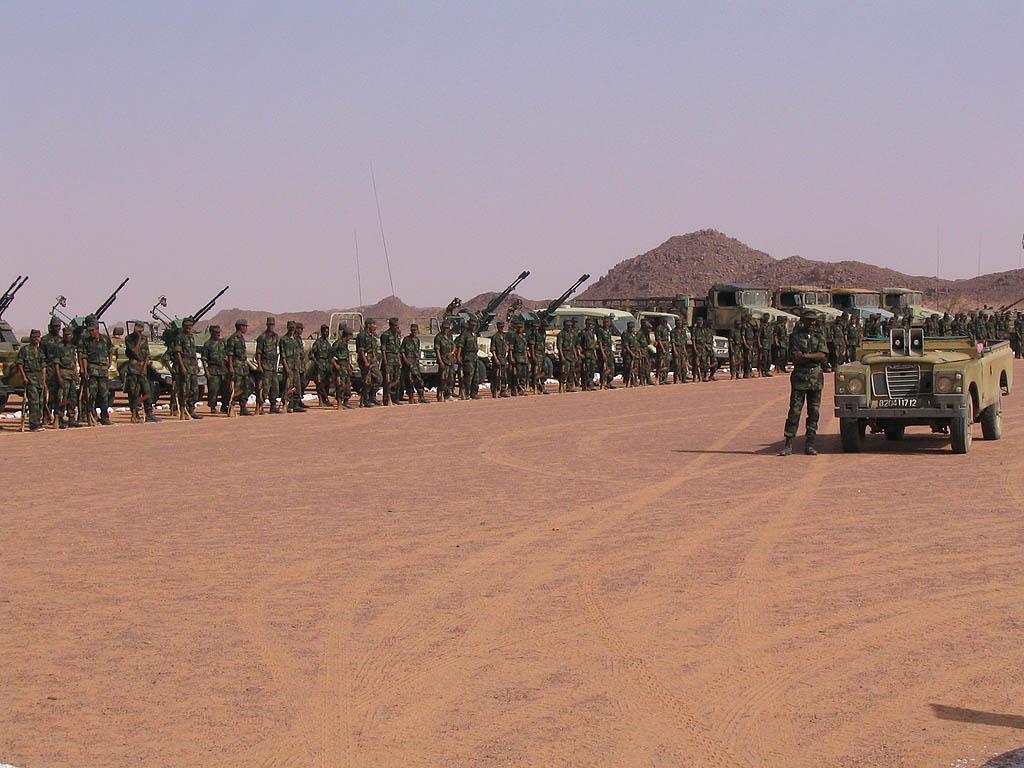
The Western Sahara conflict stands as one of Africa’s most prolonged and complex disputes, intricately woven into the continent’s colonial legacy and geopolitical dynamics.This territory,rich in resources and cultural importance,has been the focal point of a protracted struggle between the Sahrawi people,represented by the Polisario Front,and Morocco,which asserts sovereignty over the region. As diplomatic efforts stall and tensions simmer, the implications of this conflict extend far beyond the borders of Western Sahara, influencing regional stability, migration patterns, and international relations across Africa. In this analysis, we delve into the origins and developments of the Western Sahara conflict, exploring its ramifications for neighboring countries, the African Union, and global powers invested in Africa’s future. Through this lens, we seek to understand what the ongoing strife means not only for those directly involved, but for the broader African landscape and the quest for lasting peace and collaboration on the continent.
Understanding the Geopolitical Implications of the Western sahara Conflict for African Stability
The Western Sahara conflict presents a complex challenge not only for the parties directly involved but also for the broader African landscape. The unresolved status of western Sahara contributes to regional instability, affecting neighboring nations and the security dynamics across North Africa. Countries like Morocco and Algeria are deeply entrenched in this dispute, leading to a political stalemate that breeds tension and potential conflict. This underlying discord can detract from cooperative regional initiatives, such as the African Continental Free Trade Area (AfCFTA), undermining the efforts towards economic integration and collaboration that many African nations are striving to achieve.
Moreover, the geopolitical ramifications extend beyond the immediate region.Involvement from various external actors, including global superpowers seeking influence in Africa, can exacerbate existing divisions and fuel further conflict. The conflict has implications for resource allocation, as Western Sahara is rich in phosphates and fishing resources, which are vital for local economies. Additionally, the rise of non-state actors and extremist groups taking advantage of the instability could have cascading effects on trade routes, migration patterns, and security cooperation across borders. Understanding these elements is crucial for policymakers aiming to foster a more stable and prosperous Africa.
The Humanitarian Crisis in Western Sahara and Its Broader Impact on Regional Development
The humanitarian situation in Western Sahara continues to deteriorate, exacerbating the plight of thousands of Sahrawi refugees who have been displaced for decades. The resolution of the Western Sahara conflict remains elusive, contributing to sustained instability in the region. This drawn-out crisis has notable implications not only for the immediate population but also for neighboring states, placing pressure on local resources and creating barriers to economic development. Key challenges include:
- Resource Scarcity: Continued conflict hampers access to essential resources like water and food, affecting both refugees and host communities.
- Social Unrest: Displacement and lack of opportunities can lead to increased tensions within and between communities, destabilizing already fragile regions.
- Economic Paralysis: Prolonged conflict inhibits foreign investment and local business development, creating a cycle of poverty and dependence.
The broader ramifications of this crisis extend to regional security dynamics and international relations. The involvement of various actors, including Algeria and Morocco, highlights the geopolitical stakes in Western Sahara, influencing African union policies and the alignment of regional blocs. With regional powers vying for influence, the situation poses a risk of escalating tensions, which can deter collaboration across North Africa. relevant factors include:
| Factor | Impact |
|---|---|
| Increased Militarization | Potential arms race between neighboring countries, heightening conflict risk. |
| Migration Pressures | Increased flows of refugees can destabilize nearby countries, straining resources. |
| Foreign Influence | Geopolitical competition may lead to external intervention in the conflict, complicating peace processes. |
Strategic Recommendations for Diplomacy and conflict Resolution in the African Context
To effectively navigate the complexities of the Western Sahara conflict,it is essential for African nations and international stakeholders to adopt a multi-faceted diplomatic approach.Establishing a framework that encourages inclusive dialog among all parties is paramount. Engagement should prioritize the voices of the Sahrawi people, ensuring their right to self-determination is central to discussions. This can be achieved through:
- Multilateral Initiatives: Encourage regional organizations like the African Union to mediate and facilitate talks.
- Confidence-Building Measures: create programs that promote cooperation in areas such as trade,education,and cultural exchange among conflicting parties.
- International Support: Leverage partnerships with global powers to reinforce peaceful negotiations and provide resources for humanitarian needs.
A complementary strategy should focus on enhancing conflict resolution capacities across the continent. This involves investing in training programs aimed at equipping local leaders and communities with necessary diplomatic skills. Additionally, fostering platforms for grassroots engagement can bridge divides, ensuring a more comprehensive understanding of the issues at stake.Key steps may include:
- Capacity Building: Workshops and seminars on conflict resolution strategies tailored to local contexts.
- Media Engagement: Utilize local and international media to disseminate messages of peace and reconciliation.
- Mediation Networks: Establish networks of trained mediators who can intervene in conflicts across the region.
to Conclude
the Western Sahara conflict remains a critical flashpoint in African geopolitical dynamics, embodying broader themes of colonial legacy, self-determination, and international diplomacy. As regional powers and global actors continue to navigate this long-standing dispute, its resolution—or lack thereof—will have significant implications for stability and cooperation across the continent. Understanding the intricacies of this conflict not only sheds light on the historical complexities involved but also highlights the urgent need for greater engagement and innovative solutions. As Africa seeks to forge a unified path towards development and peace,the lessons drawn from the Western Sahara situation will undoubtedly play a pivotal role in shaping the future of its diplomatic endeavors. The road to resolution may be fraught with challenges,but it is essential for African nations and the international community alike to prioritize dialogue and collaboration in the pursuit of lasting peace.