Introduction
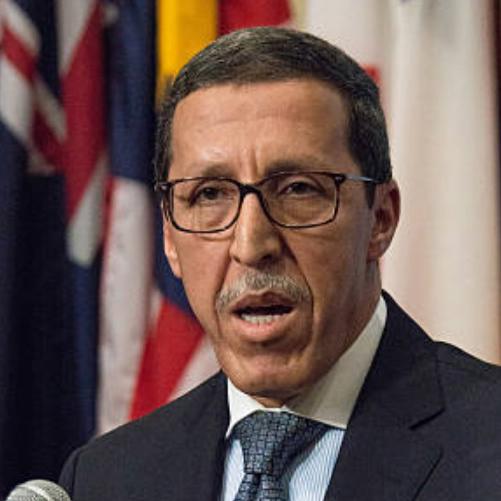
As Morocco prepares to commemorate the 50th anniversary of the Green March,a pivotal event in the nation’s history,discussions surrounding the future of Western Sahara are intensifying. Omar Hilale, Morocco’s Ambassador to the United Nations, has been at the forefront of advocating for a definitive resolution to the long-standing territorial dispute. The Green March, which took place in November 1975 and involved hundreds of thousands of Moroccans advancing into Western Sahara, is not merely a historical milestone; it symbolizes Morocco’s enduring claims over the territory. In light of the forthcoming anniversary, Hilale’s statements and diplomatic efforts underscore the country’s commitment to achieving closure on this contentious issue. This article delves into the implications of the Green march anniversary, the current geopolitical landscape surrounding Western Sahara, and the role of Moroccan diplomacy in shaping the future of this disputed region.
Omar Hilale’s Vision for a Sustainable Resolution in Western Sahara
Omar Hilale has positioned himself as a pivotal figure in the quest for a sustainable resolution in Western Sahara, especially as the region approaches the 50th anniversary of the Green March. His vision emphasizes dialog, advancement, and diplomacy, aimed at fostering a peaceful coexistence that addresses the aspirations of all stakeholders involved. Hilale advocates for leveraging natural resources responsibly, ensuring that economic benefits are equitably distributed among local populations. This approach is designed to enhance the quality of life in the region while maintaining ecological integrity, aligning with Morocco’s broader commitment to sustainable development and environmental stewardship.
Central to Hilale’s strategy is the concept of inclusive governance, where local communities have a voice in decision-making processes. He believes that empowering residents will lead to more effective solutions tailored to their specific needs, ultimately contributing to stability in the region. To further this vision, hilale suggests initiatives that include:
- investment in renewable energy projects to promote energy independence.
- Infrastructure development to improve connectivity and access to essential services.
- Cultural exchange programs aimed at fostering understanding and cooperation between diverse groups.
Through these initiatives, Hilale envisions a paradigm shift where Western Sahara is transformed into a symbol of unity and progress, free from the shadows of conflict. His commitment to a extensive and pragmatic resolution reflects a deep understanding of the complexities surrounding the territory, paving the way for a future where collaboration and peace triumph over discord.
Commemorating the Green March: A Path Towards Lasting Peace
As the 50th anniversary of the Green March approaches, the meaning of this pivotal event in Morocco’s history is more pronounced than ever. Omar Hilale, Morocco’s ambassador to the United Nations, emphasized the march’s enduring legacy as a symbol of national unity and a strategic move towards resolving the longstanding Western Sahara conflict. The peaceful mobilization, which saw thousands of Moroccan citizens march into Western Sahara in November 1975, not only solidified Morocco’s claims over the territory but also showcased the determination of its people to reclaim their land. This historical event serves as a reminder of the importance of dialogue and negotiation in addressing unresolved territorial disputes, heralding a potential path towards sustained peace in the region.
The upcoming commemorations aim to reinforce both national pride and international awareness regarding the dynamics at play in Western Sahara. Key discussions and events lined up for the anniversary include:
- Panel Discussions: Featuring policymakers and analysts who will share insights on the evolution of the Green March and its implications for future negotiations.
- Cultural Exhibitions: Showcasing art and historical artifacts that highlight Moroccan resilience and culture.
- Community Engagement: Involving local communities in dialogues about peacebuilding and the importance of collective memory.
In addition,a special commemoration event will bring together influential voices to discuss the role of sovereignty and self-determination in achieving a lasting resolution. Collaborations with international organizations could lead to a reinvigorated dialogue platform, aimed at bridging divides and fostering mutual respect amongst stakeholders. with the 50-year mark looming, there is an opportunity to set a course for a future where the Green March stands not merely as a chapter in history but as a catalyst for diplomatic endeavors and reconciliation.
Strategies to Strengthen Morocco’s Position in International Diplomacy
To enhance its status on the global stage, Morocco must adopt a multi-faceted approach that focuses on strategic partnerships and active participation in international organizations. By fostering stronger relationships with key international players, Morocco can amplify its influence in diplomatic discussions regarding critical issues, such as climate change and regional security. Engaging in bilateral and multilateral treaties could prove advantageous, encouraging collaboration in areas such as trade and technology. Additionally, Morocco should leverage its historical and cultural ties with African nations to position itself as a regional leader in diplomacy.
Investing in soft power through cultural exchanges and educational initiatives will also serve to strengthen Morocco’s diplomatic presence.Promoting Moroccan culture and values on international platforms can enhance its image and foster goodwill among other nations. Furthermore, establishing robust communication strategies to highlight Morocco’s achievements in diplomacy, human rights, and sustainable development can resonate positively with global audiences.By utilizing social media and engaging with international influencers,Morocco can effectively narrate its story,thereby increasing engagement and support for its diplomatic initiatives.
Closing Remarks
As the 50th anniversary of the Green March approaches, the situation in Western Sahara remains a focal point of international interest and debate. Omar Hilale, Morocco’s ambassador to the United Nations, has reiterated the kingdom’s commitment to achieving a definitive resolution to the long-standing territorial dispute. With plans for commemorative events and a renewed emphasis on Morocco’s territorial integrity, the anniversary serves as both a reminder of the complexities surrounding the issue and a signal of Morocco’s determination to navigate the path towards closure. As global attention turns to this pivotal moment, the implications for regional stability and diplomatic relations in North Africa will undoubtedly be scrutinized. The dialogue surrounding Western Sahara continues to evolve, and the actions taken in the coming months could have lasting ramifications for both Morocco and the Sahrawi people, shaping future discussions on decolonization and self-determination.