

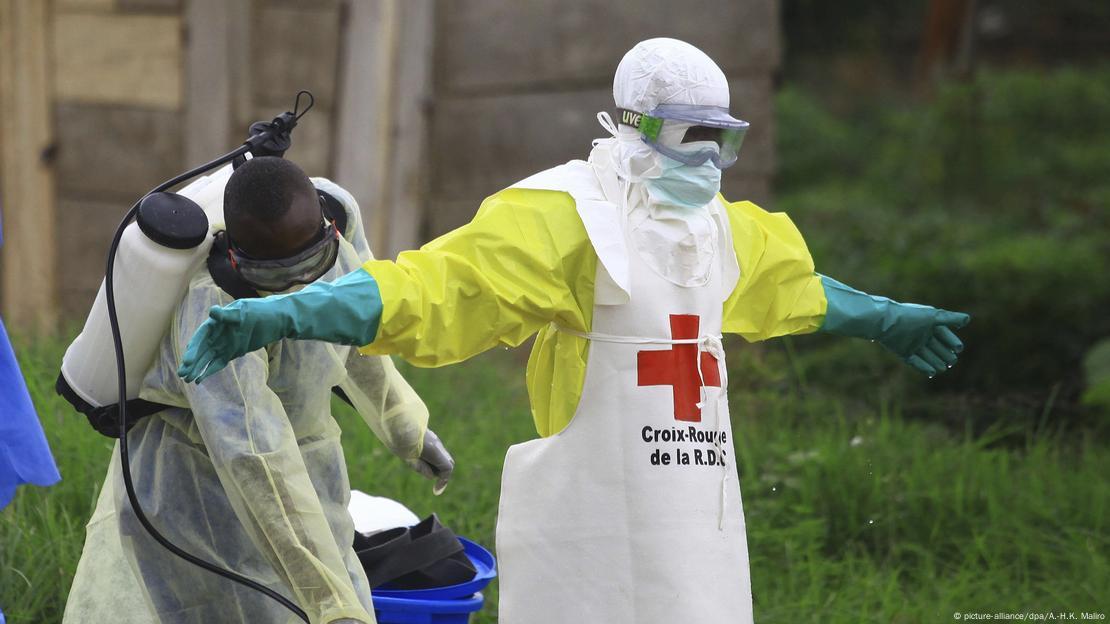
As global health systems remain vigilant against the resurgence of infectious diseases, the recent scenario assessment conducted by the Centers for Disease Control and Prevention (CDC) highlights a critical focus: the potential for an Ebola outbreak caused by the Sudan virus in Uganda.With a history of devastating outbreaks in the region, this assessment serves as a proactive measure to understand the risks, responses, and preparedness strategies necessary to mitigate the impact of such an event. in this article, we delve into the findings and implications of the CDC’s assessment, examining the current landscape of Sudan virus outbreaks, the challenges facing health officials, and the steps being taken to safeguard communities. As the world grapples with the lessons learned from past epidemics,the importance of robust surveillance and response mechanisms has never been more evident.
Understanding the Epidemiology and Transmission Dynamics of the Sudan Virus in Uganda
The sudan virus,a member of the Filoviridae family,has emerged as a significant public health threat in Uganda,particularly as the virus has shown its capacity for human-to-human transmission. Epidemiological studies indicate that the virus is primarily spread through direct contact with bodily fluids of infected individuals, including blood, saliva, sweat, and vomit. Additionally, contact with contaminated surfaces or objects can facilitate its transmission, further complicating control efforts. The zoonotic origin of the Sudan virus is largely attributed to fruit bats and possibly other animal reservoirs,which serve as the initial sources of infection in humans. Understanding these dynamics is essential for implementing effective public health interventions to curb the spread of the outbreak.
The transmission dynamics of the Sudan virus in Uganda are shaped by various factors, including population density, healthcare access, and cultural practices. High-density living conditions can facilitate rapid virus spread, especially in regions where healthcare facilities are limited and lack adequate resources for infectious disease management. To better address these challenges, key mitigation strategies must focus on community engagement and education about safe burial practices, hygiene measures, and early recognition of symptoms. A collaborative approach, blending epidemiological research with community involvement, is crucial to interrupt the transmission chain and manage potential outbreaks effectively.Below is a simplified overview of factors that influence transmission dynamics:
| Factors Influencing Transmission | description |
|---|---|
| Population Density | Higher density increases potential for rapid spread. |
| healthcare Access | Lack of facilities hampers timely interventions. |
| Cultural Practices | Conventional burial practices may increase risk. |
| public Awareness | Community knowledge of the virus is crucial for prevention. |
Critical Insights from Recent outbreak Trends and Public health response Strategies
The recent resurgence of Ebola,specifically linked to the Sudan virus in Uganda,underscores critical lessons in outbreak management. Early detection and swift public health responses have proven essential in curbing virus spread. Key strategies gleaned from recent trends include:
- Enhanced Surveillance: Early monitoring and reporting systems are vital for identifying potential outbreaks before they spiral out of control.
- Community Engagement: Involving local populations in awareness campaigns fosters trust and promotes adherence to health advisories.
- Cross-Border Collaboration: Coordinated response efforts with neighboring countries are crucial in preventing trans-national spread.
Moreover, incorporating lessons learned from past outbreaks has refined the effectiveness of public health strategies. The integration of real-time data analysis and technological tools into existing frameworks can significantly improve response time. various public health entities have highlighted the effectiveness of training local health workers to tackle crises efficiently.A summary of response outcomes reveals:
| Response Strategy | Outcome |
|---|---|
| Immediate case Isolation | 50% reduction in transmission |
| Contact Tracing Initiatives | 80% of contacts monitored |
| Public Education Campaigns | Increased reporting of symptoms by 60% |
Recommendations for Strengthening Surveillance and Community Preparedness Measures
To effectively combat and mitigate the impact of viral outbreaks such as the Sudan virus strain of Ebola,it is crucial to enhance surveillance systems and community preparedness. Strengthening these measures can be achieved through the following approaches:
- Enhanced training Programs: Equipping healthcare workers with advanced skills in detecting early symptoms of viral infections and employing proper audio-visual techniques for reporting could lead to quicker outbreak response times.
- Community Engagement Initiatives: Fostering collaborations with local leaders and organizations can create a more informed populace that is aware of the risks and knows the appropriate actions to take in the event of an outbreak.
- Technology Utilization: Deploying mobile applications and data collection tools can streamline interaction between health authorities and the community for timely alerts and details dissemination.
Additionally, the establishment of well-coordinated emergency response frameworks is needed to enhance overall resilience against outbreaks. This could include:
| Framework Component | Description |
|---|---|
| Early Warning Systems | Implementing technology-driven alert systems to monitor health behavior and detect unusual patterns. |
| Resource Allocation | Ensuring adequate supplies, such as personal protective equipment, are readily available in anticipation of potential outbreaks. |
| Public Awareness Campaigns | Conducting regular educational programs to inform the public about prevention, symptoms, and the importance of reporting health issues. |
Future Outlook
the potential for an Ebola outbreak caused by the Sudan virus in Uganda underscores the critical importance of preparedness, surveillance, and rapid response measures in public health. As highlighted by the Centers for Disease control and Prevention, thorough scenario assessments enable health authorities to anticipate challenges and coordinate effectively in the face of such threats. Ongoing research, vaccination efforts, and community engagement play pivotal roles in mitigating the impact of this life-threatening virus. As global health organizations continue to monitor the situation, it is essential for all stakeholders, including governments, healthcare professionals, and the public, to remain vigilant and informed. By learning from past outbreaks and investing in robust health infrastructure, we can enhance our capacity to respond swiftly to any future epidemiological crises.










