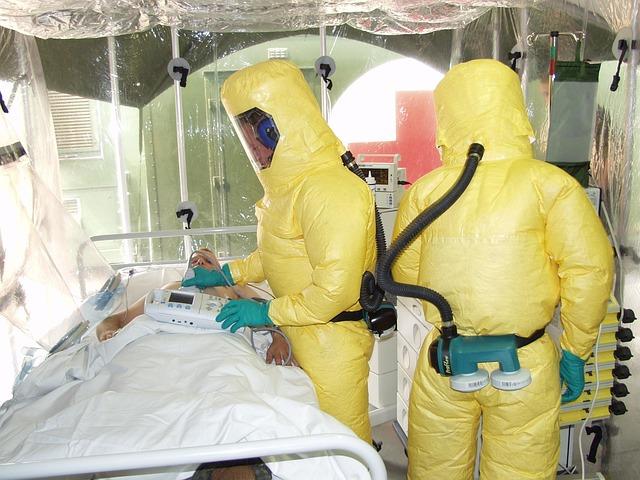
As global health challenges continue to evolve, the impact of infectious diseases like Ebola remains a critical concern for travelers venturing into affected regions. The Centers for Disease Control and prevention (CDC) plays a pivotal role in safeguarding public health by providing essential guidance and resources for those returning from Ebola-affected areas. in this article, we will explore the latest recommendations from the CDC, outline vital data for travelers, and highlight proactive measures that can be taken to ensure both personal safety and the wellbeing of communities upon their return. Understanding these guidelines is not only crucial for individual health but also for preventing the potential spread of this deadly virus. whether you are a seasoned traveler or planning your first trip to an affected region, staying informed is your first line of defense against Ebola.
Health Precautions for Travelers Post-Ebola Exposure
Travelers who have recently visited Ebola-affected regions should closely monitor their health and adhere to several essential precautions. It is vital to track your health for a minimum of 21 days post-exposure, as this is the typical incubation period for the virus. During this time, individuals should:
- Check for symptoms such as fever, fatigue, and unexplained bleeding.
- Maintain dialog with local health authorities or the health department.
- Refrain from participating in public gatherings where the risk of spreading the virus could be heightened.
In the event symptoms do appear, immediate medical attention is crucial. Seeking care promptly not only benefits the individual but also helps protect the wider community from potential exposure. Moreover, it is significant to practice good hygiene and preventive measures, which include:
- Washing hands frequently with soap and water or using hand sanitizer.
- Avoiding close contact with people until symptom monitoring is complete.
- informing healthcare providers of recent travel history before attending appointments.
Understanding Symptoms and When to Seek Medical Attention
Travelers who have visited areas affected by Ebola should be vigilant about monitoring their health for any sign of symptoms. Early symptoms typically manifest as fever, chills, and muscle aches, which can progress to gastrointestinal issues such as vomiting and diarrhea, as well as severe weakness and unexplained bleeding. Being aware of these symptoms is crucial, as they can appear between 2 and 21 days after exposure to the virus. It is essential to maintain a log of your health status during this period, making it easier to identify any changes that may necessitate medical intervention.
If you experience any of the following serious symptoms after returning from an affected region, you should seek medical attention promptly:
- High fever: Persistent fever exceeding 101.5°F (38.6°C)
- Severe digestive issues: Frequent vomiting or diarrhea that is severe or prolonged
- Severe headache: Unmanageable or worsening headaches
- Weakness: Extreme fatigue that impedes normal daily activities
- Unexplained bleeding: Bleeding from the mouth, nose, or any cuts
Timely communication with healthcare professionals is key; inform them of your travel history and potential exposure to the virus. Prompt action can substantially affect outcomes and help protect the health of others in the community.
Guidelines for Effective Communication with Healthcare Providers
Effective communication with your healthcare provider is essential, especially when you are returning from regions impacted by Ebola.Start by ensuring you are clear and concise about your travel history, including the countries visited and the dates of your stay. During your consultation, consider the following tips to enhance the dialogue:
- Be Honest: Share any symptoms you may be experiencing, no matter how minor they seem.Symptoms of Ebola can be easily misattributed to other causes.
- Prepare Questions: write down any questions or concerns you have before your appointment. This may include inquiries about potential tests, treatment options, or preventive measures.
- Clarify Medical Jargon: If there’s anything you don’t understand, don’t hesitate to ask the provider to explain. Clear understanding is crucial for effective treatment.
Additionally, it’s important to keep your healthcare provider updated on any changes in your condition or travel plans. If you feel that your symptoms worsen or new ones arise, reach out immediately. Effective communication should also involve discussing your family members’ health if they traveled with you.Use the following strategies to share information effectively:
- Document Symptoms: Keep a record of any signs or symptoms you and your family members may exhibit and share this with your provider.
- Inform About Risk Factors: Discuss any direct contact with infected individuals, healthcare settings, or animals that could pose a risk.
- Follow Up: Schedule follow-up appointments as recommended and report any changes in health promptly to your provider.
The Way forward
as the threat of ebola persists in certain regions, it is crucial for travelers returning from affected areas to stay informed and take necessary precautions. the CDC continues to provide vital resources and guidelines to ensure the safety and well-being of both travelers and the communities they return to.By adhering to the recommended health measures and remaining vigilant about symptoms, individuals can play a key role in preventing the spread of this serious disease. For more detailed information, including symptoms, prevention strategies, and what to do if you feel unwell, visit the CDC’s official website. Your health and safety are paramount-stay informed, stay safe, and help protect those around you.