

Introduction
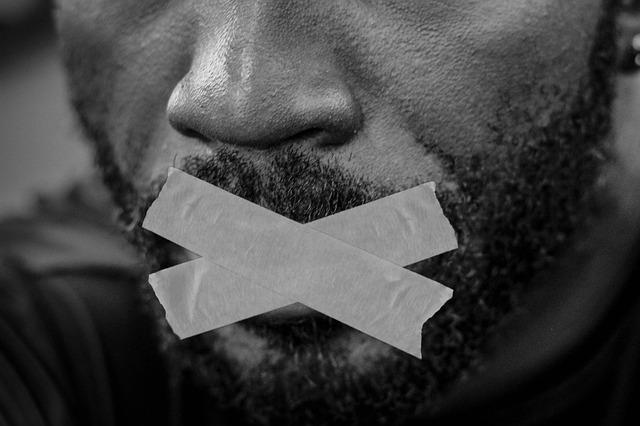
In Togo, a nation grappling with political turbulence and dissent, the plight of Generation Z activists has come sharply into focus. The World Organisation Against Torture (OMCT) has issued an urgent call for the release of 48 young activists who have reportedly been subjected to repression and arbitrary detention for voicing their demands for social and political change. As a new wave of youth emerges, armed with determination and a desire for reform, the goverment’s response has been to silence dissent through harsh crackdowns and intimidation. This article delves into the challenges facing thes activists, the broader implications for human rights in togo, and the urgent need for international attention and intervention to safeguard the voices of a generation fighting for its future.
Urgent Call for Action: The Plight of 48 Activists in Togo
The recent arrest of 48 activists in Togo represents a troubling trend of political repression targeting younger generations. These individuals were detained merely for exercising their fundamental rights to free expression and peaceful assembly, essential components of any democratic society. The ongoing crackdown is not just an infringement on personal freedoms but a calculated attempt to silence dissent and stifle the vibrant voices of Togo’s Gen Z. The implications are dire; activists who once fueled social movements and dialogues about reform now find themselves imprisoned and under threat. This is a call to the international community to rally against such blatant violations of human rights.
As these activists remain behind bars, reports of mistreatment and lack of access to legal aid surface, exacerbating their plight.Human rights defenders, both locally and globally, are urged to amplify their voices and demand justice. The following actions can contribute to their urgent release:
- Raise awareness: Share their stories on social media and with local communities.
- Engage with policymakers: Urge government officials and international bodies to apply pressure on Togo’s authorities.
- Support local organizations: Contribute to groups advocating for activists’ rights and legal assistance.
only through collective action can we hope to challenge this systemic repression and uphold the values of democracy and human rights in Togo.
Understanding the Repression of Gen Z in Togo’s Political Landscape
The political climate in Togo has historically been fraught with tension, particularly for younger generations seeking to voice their aspirations for a democratic and inclusive society. Gen Z, representing a wave of digital-native activists, has emerged as a pivotal force in challenging the long-standing authoritarian regime.As these young leaders rally for change, thay face a harsh reality: repression has become a systematic response from the government to quell dissent. Recent events have highlighted the alarming trend of arbitrary detentions, where 48 activists remain imprisoned, often without just cause, merely for exercising their rights to free speech and assembly.
This environment of fear not only stifles activism but also cultivates a culture of silence among youth who might otherwise engage in political discourse. The government’s efforts to suppress dissent are multifaceted, including intimidation tactics, censorship of social media platforms, and violent crackdowns on peaceful protests. As global attention intensifies on Togo’s human rights violations, it is indeed imperative that the international community stands in solidarity with Gen Z activists. The urgent call for the release of the imprisoned activists underscores a vital need for accountability and the restoration of fundamental freedoms. The future of Togo hinges on the ability of its youth to freely express their views and actively participate in shaping their nation’s destiny.
Recommendations for International Advocacy and Support for Togo’s Civil Society
As the situation in Togo continues to deteriorate, it is indeed imperative for international organizations, governments, and civil society actors to engage more deeply with the country’s activists and their struggles. Global advocacy should focus on highlighting the specific cases of the 48 detained activists, ensuring their stories reach a wider audience. This can be achieved through various methods, including:
- Public Campaigns: Launching awareness campaigns that shed light on the repression faced by activists in Togo.
- Diplomatic Pressure: Encouraging foreign governments to apply diplomatic pressure on Togolese authorities to secure the release of political prisoners.
- Support Networks: Establishing support networks for Togolese civil society groups that include legal aid, psychological support, and training resources.
Additionally, international stakeholders should consider leveraging economic assistance, connecting aid to tangible commitments from the Togolese government regarding human rights and freedom of expression. By doing so, the global community can send a clear message that repression will not be tolerated and that solidarity with local movements is essential. To strengthen these efforts, emphasis should also be placed on:
- Engagement with Media: Facilitating access to international media to amplify the voices of those silenced in Togo.
- Partnerships with Local Organizations: Supporting local NGOs and movements by providing grants and technical assistance to enhance their capacity to advocate for change.
- International Monitoring Missions: Organizing missions to document human rights violations and bring them to the attention of relevant international bodies.
In Summary
In light of the rising concerns surrounding the repression of Gen Z activists in Togo, the call for the immediate release of the 48 detained individuals has never been more urgent. As highlighted by the World Organisation Against Torture (OMCT), these young voices represent a critical element of the nation’s civil society and their unjust imprisonment threatens the very foundations of democratic expression in the country.
The international community must remain vigilant and engaged, advocating for human rights and supporting mechanisms that safeguard the freedoms of all citizens, particularly youth who bravely stand against oppression. The plight of these activists underscores a broader narrative of resistance amidst authoritarianism, reminding us that the struggle for human rights transcends borders and generations. As we look towards the future, it is imperative that we amplify these voices and demand accountability from those in power. The world is watching, and now is the time to act in solidarity for a just and free Togo.










