

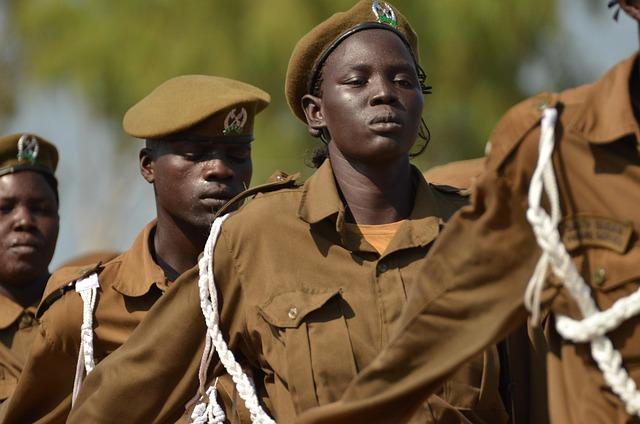
As the conflict in Sudan continues to escalate,the United Nations has issued a stark warning about the profound impact of ongoing violence on the nation’s youth. In a situation marked by humanitarian crises, rampant displacement, adn deteriorating living conditions, the UN emphasizes that the war not only threatens immediate safety but also jeopardizes the future of an entire generation.With millions of children and adolescents caught in the crossfire, the implications for education, health, and social stability are dire. This article delves into the challenges facing Sudanese youth amidst the turmoil and examines the broader consequences of the conflict on the nation’s prospects for peace and recovery.
Sudan’s Ongoing Conflict Disrupts Education and Health Services for Youth
The ongoing conflict in Sudan has far-reaching implications for the country’s youth, particularly in the realms of education and health services.As violence escalates, schools are being forced to close, depriving countless children and adolescents of critical learning opportunities. Reports indicate that over 6 million children are out of school,leading to an alarming gap in education and personal development. The situation is compounded by the lack of resources and infrastructure, making it increasingly difficult for humanitarian organizations to deliver essential services to those in need.
Along with the disruption of academic pursuits, health services are equally compromised in this tumultuous habitat. Young people, already vulnerable, face significant risks related to sanitation, nutrition, and access to healthcare. The conflict has resulted in:
- Increased malnutrition rates among children due to food shortages.
- Limited access to preventive care and immunizations.
- Higher rates of mental health issues stemming from trauma and instability.
These challenges not only jeopardize the immediate health and wellbeing of the youth but also threaten to derail an entire generation’s prospects for a secure and prosperous future.
UN Calls for Immediate Humanitarian Aid to Mitigate Long-Term Consequences
the ongoing conflict in Sudan has escalated to alarming levels, putting countless lives at risk and endangering the future of the country’s youth. The United nations has raised urgent concerns regarding the humanitarian crisis, emphasizing the need for immediate assistance to prevent irreversible damage to an entire generation. Factors such as interrupted education, limited healthcare access, and rampant food insecurity are expected to have lasting implications on the country’s social fabric. Without prompt intervention,these challenges will significantly hinder the development opportunities for millions of children and young adults.
The UN urges international communities and organizations to step up their efforts in providing essential resources. The call to action includes:
- Emergency food supplies: Addressing acute malnutrition and hunger among vulnerable populations.
- Medical assistance: Delivering healthcare services and supplies to affected regions.
- Education resources: Reestablishing educational programs to ensure children can resume learning.
- Protection measures: Safeguarding the rights and well-being of displaced individuals.
Swift humanitarian aid will not only alleviate the immediate suffering but also pave the way for a more stable and sustainable future for Sudan’s youth, helping to restore hope and resilience within the nation.
Global Community Urged to Support Peace Initiatives and Stabilization Efforts
The ongoing conflict in Sudan is not merely a regional crisis; it poses a significant threat to global stability. With the UN emphasizing that the war jeopardizes the future of an entire generation, the urgency for international intervention has never been greater. Efforts to promote peace must prioritize the needs of Sudan’s civilians who are caught in the crossfire. The rising displacement rates and humanitarian needs call for immediate action from the global community. Support initiatives could include:
- Financial aid to support NGOs working on the ground.
- Peacekeeping missions to stabilize conflict zones.
- Diplomatic pressure on warring factions to cease hostilities.
- Advocacy campaigns to raise awareness about the humanitarian crisis.
Furthermore, regional partnerships should be strengthened to foster collaboration in addressing the underlying causes of the conflict. the complexities of Sudan’s sociopolitical landscape necessitate a commitment to long-term rebuilding efforts, which should involve local voices and perspectives to ensure sustainable peace. By investing in education, infrastructure, and healthcare, the global community can definitely help mend a fractured society and secure a brighter future for sudanese youth. Key strategies should focus on:
- Community dialog to foster understanding and reconciliation.
- Youth engagement programs to empower the younger generation.
- International partnerships to share resources and knowlege.
the Way Forward
the ongoing conflict in Sudan casts a long shadow over the future of a generation that has already endured tremendous hardships. With the United Nations sounding alarm bells about the potential for long-term socio-economic repercussions, it is indeed crucial for the international community to not only recognize the immediate humanitarian crisis but also to invest in sustainable solutions that support peace and stability. As the situation develops, ensuring the well-being and security of sudan’s youth will be vital to fostering a more hopeful and resilient society. The eyes of the world remain on Sudan, where the choices made today will resonate for decades to come.










