

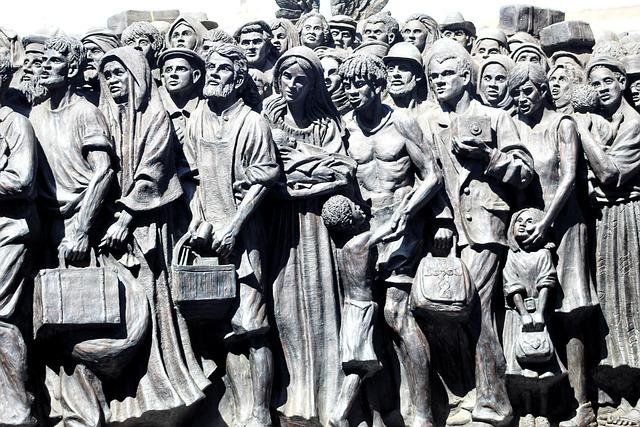
In the wake of prolonged conflict and instability, Sudan has seen a significant influx of refugees returning to their homeland. though, the United Nations warns that these returnees are not finding the safety and stability they seek; rather, they face a daunting “struggle for survival.” With the scars of war still fresh and the infrastructure in ruins, many returnees confront dire challenges, including food insecurity, lack of healthcare, and limited access to essential services. as the humanitarian crisis unfolds, the international community is urged to pay attention to the plight of these individuals striving to rebuild their lives amidst adversity. This article delves into the complex realities facing Sudanese refugees returning home and the pressing need for support as they navigate a fragile landscape marked by their recent past.
Sudan Refugees Confront Fresh Challenges Amidst Homecoming Efforts
As Sudanese refugees begin to return to their homeland, they are met with a daunting array of challenges that threaten their efforts to rebuild their lives. The aftermath of conflict has left many areas in disarray, with essential services crippled and infrastructural damage widespread. Displaced individuals are grappling with basic survival needs, as they find their homes either destroyed or uninhabitable. The United Nations reports that a significant number of returnees face difficulties in accessing:
- Food and Water: With local resources diminished, many returnees are struggling to secure adequate nutrition and clean drinking water.
- Healthcare: A lack of medical facilities means that many returnees cannot access necessary healthcare services, exacerbating existing health issues.
- Shelter: The destruction of homes and lack of construction materials have left numerous families without safe and stable living conditions.
- Employment: The job market remains fragile, making it difficult for returnees to find enduring livelihoods.
Along with these immediate needs, there is a prevailing sense of uncertainty among those returning. Many are haunted by memories of violence and instability, making reintegration into their communities a psychological struggle as well. The prospect of rebuilding their lives is clouded by concerns about their safety and the potential for renewed conflict. The international community is closely monitoring the situation, as increased support and resources are necessary to aid those facing this new struggle for survival. As conditions fluctuate, the resilience of these individuals is put to the test, challenging the notion of a safe homecoming.
Humanitarian Response Needed to Address Immediate Needs of Returnees
The recent influx of returnees to Sudan has brought to light the pressing and immediate humanitarian needs that these individuals face. Many returnees, having fled conflict and instability, are arriving back to a country grappling with its own challenges. They encounter inadequate infrastructure, disrupted healthcare systems, and a lack of basic necessities.The reality is stark, as these individuals find themselves not only seeking to rebuild their lives but also struggling to locate essential resources such as:
- Food and water – Access to safe food and clean drinking water is critically low, posing severe health risks.
- Healthcare – Medical facilities are under-resourced and frequently enough inaccessible, leaving many without necessary treatments.
- Shelter – Many returnees lack proper housing, forcing families to endure untold hardships living in overcrowded or makeshift shelters.
- Employment opportunities – The job market is limited, complicating their re-entry into society and economic stability.
International organizations and local authorities must unite efforts to address these challenges swiftly. Expedited humanitarian response is essential to ensure that returnees receive the assistance they desperately need. Immediate steps should include:
- Emergency food assistance – To combat malnutrition and food insecurity among returnee populations.
- Medical aid – Provision of essential healthcare services and supplies to address urgent health concerns.
- Shelter support - Initiatives to provide safe and adequate housing for those returning to a precarious living situation.
- Job creation programs – Encouraging local employment initiatives to help reintegrate returnees into the economy.
Long-Term Solutions Essential for Sustainable Reintegration and Stability
As Sudanese refugees embark on their journeys back to their homeland, the challenges they encounter extend far beyond repatriation. The prevailing circumstances demand a reevaluation of support mechanisms to ensure that returnees can rebuild their lives sustainably. Immediate humanitarian assistance is critical, yet it must be complemented by long-term strategies that address the root causes of displacement and promote economic stability. Key focus areas for sustainable reintegration should include:
- Access to Education: Establishing educational opportunities to equip both children and adults with the necessary skills for a viable livelihood.
- Employment Opportunities: Developing local economies through job creation and vocational training programs tailored to the needs of returnees.
- Healthcare Services: Re-establishing healthcare infrastructure to provide essential medical services and address the psychosocial impacts of displacement.
- Community Engagement: Encouraging social cohesion and involving local communities in the reintegration process to foster acceptance and support.
Moreover, addressing the legal and land rights of returning refugees is paramount to ensuring they have a stake in their communities. Without sufficient legal frameworks in place, many returnees may find themselves vulnerable to land disputes or excluded from essential social services. The international community, along with local authorities, must collaborate to create an habitat that supports not only the return but the thriving of individuals and families. This holistic approach is essential to pave the way for a stable future, reducing the likelihood of renewed displacement and fostering resilience within society.
Concluding Remarks
the plight of returning Sudanese refugees underscores a complex narrative of resilience amidst adversity. As reported by Al Jazeera, the challenges these individuals face upon their return are multifaceted, ranging from inadequate access to basic necessities to the looming threat of renewed conflict. While the United Nations and various humanitarian organizations continue to strive for sustainable solutions, the returnees find themselves navigating a perilous path toward rebuilding their lives in a country still grappling with instability. The international community must remain vigilant and supportive, ensuring that the needs of these vulnerable populations are met and that their voices are heard. As the situation develops, it is crucial that both local and global efforts are intensified to create a safer and more hopeful future for those who have endured so much.










