

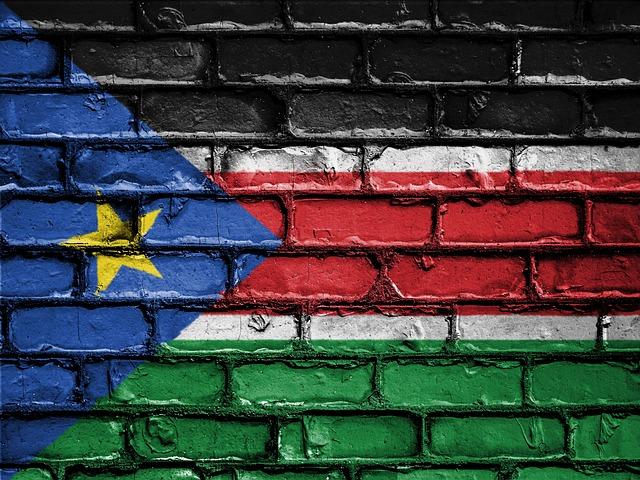
In a significant shake-up of South Sudan’s leadership, President Salva Kiir has dismissed key figures in his administration, including the army chief and the finance minister. This latest reshuffle, reported by Reuters, comes amid ongoing challenges in the young nation, which has been grappling with economic difficulties and ongoing tensions within its military and political ranks. the removal of these high-profile officials raises questions about Kiir’s strategy for stabilizing the country and addressing issues that have persisted since the civil war ended in 2018. As south Sudan navigates a precarious path toward peace and prosperity, the implications of this restructuring will be closely watched both domestically and internationally.
South Sudan’s Leadership shakeup: Implications for National Security and Governance
In a significant leadership reshuffle, South Sudan’s president Salva Kiir has dismissed key figures including the army chief and the finance minister. This strategic move, characterized by analysts as an attempt to consolidate power, raises critical questions about the nation’s stability in an already fragile political landscape. Following years of civil conflict, the dismissal of such high-ranking officials comes at a time when the country is grappling with a myriad of challenges, including rampant inflation, widespread poverty, and ongoing insecurity. The new appointments are seen as pivotal not only in shaping military strategy but also in addressing economic concerns that have plagued the nation since its independence in 2011.
The implications of these changes extend beyond mere personnel adjustments; they signal a potential shift in governance and security protocols that could either bolster or undermine peace efforts initiated in the wake of the peace agreement. Experts suggest that the reappointment of military leadership could alter the dynamics of power among various factions within the government, with potential outcomes including:
- Increased tensions: Rival factions may perceive these changes as a threat, leading to escalated conflicts.
- Shifts in Military Strategy: New leaders might employ different strategies that could either stabilize or destabilize regional security.
- Economic Policies Impact: The finance minister’s dismissal may impede progress on economic reforms if not replaced by someone with a robust plan.
Analyzing the Strategic reasons Behind the Dismissal of Key Military and Financial Leaders
The recent dismissal of key figures within South Sudan’s military and financial sectors has raised questions about the underlying motives driving President Kiir’s decisions. One strategic reason could be the need to consolidate power and eliminate dissenting voices within the government. By reshuffling the leadership, Kiir is effectively sending a message that loyalty over competency will dictate the new direction of the nation. This approach also serves to instill a sense of fear among remaining officials,perhaps deterring any opposition or challenges to the president’s authority. Key dynamics to consider include:
- Control over the military: By appointing a new army chief, Kiir may be aiming to reinforce his grip on the armed forces, ensuring that military actions align closely with his political goals.
- Financial oversight: Replacing the finance minister could be seen as an attempt to revamp the nation’s economic strategies amidst ongoing fiscal challenges,while also ensuring that economic policies support governmental stability.
- International perception: Kiir’s reshuffle might also be a tactical move aimed at reshaping international relations, especially with foreign investors and aid organizations who closely scrutinize governance and clarity.
Moreover, the timing of these changes appears significant in light of ongoing economic instability and heightened tensions within the country. The reshuffle reflects not only domestic political calculations but also a response to international pressure to demonstrate democratic governance and accountability. By appointing individuals who are perceived as aligned with his vision, Kiir seeks to create a facade of unity and progress in a landscape torn by conflict. Factors influencing this strategy include:
- Negotiating peace agreements: The president might anticipate renewed negotiations and is aligning military and financial leadership to support potential peace accords.
- Public sentiment: With public dissatisfaction regarding corruption and governance, these leadership changes could be an attempt to placate citizens and restore faith in the ruling party.
- Competitiveness for global aid: Restructuring could enhance South Sudan’s appeal to international donors by presenting a more stable and cohesive leadership team.
Recommendations for Stabilizing South Sudan’s Political Landscape Following Recent Resignations
The recent leadership changes in South Sudan underscore the urgent need for a complete strategy to stabilize the nation’s political landscape. One key proposal is to promote inclusive dialog among all political factions, including opposition groups and civil society organizations, to foster mutual understanding and rebuild trust.This dialogue should prioritize transitional justice and reconciliation efforts that address the past grievances of various communities, paving the way for a more unified national agenda. Additionally,enhancing transparency in governance is crucial; establishing mechanisms for fiscal accountability and anti-corruption measures will help restore public confidence in the leadership.
Moreover, the international community must play a proactive role by facilitating diplomatic engagement aimed at supporting peacebuilding initiatives. This could involve appointing a special envoy to South Sudan to coordinate international efforts and ensure that peace agreements are adhered to by all parties. Investment in capacity-building programs for local governance is also essential to empower communities and enhance service delivery. By prioritizing grassroots participation in political processes, south Sudan can work towards creating a more resilient state that effectively addresses the aspirations of its citizens.
To Wrap It Up
President Salva Kiir’s recent decision to dismiss key figures such as the army chief and the finance minister signals a significant shift within South Sudan’s political and military landscape. This reshuffle comes amidst ongoing challenges, including security concerns and economic instability, emphasizing Kiir’s ongoing efforts to consolidate power and address pressing national issues. As the country navigates these turbulent waters, the implications of these changes on governance and stability remain to be seen. Observers and analysts will be watching closely as South Sudan continues to grapple with its complex realities in the wake of this executive overhaul.










