

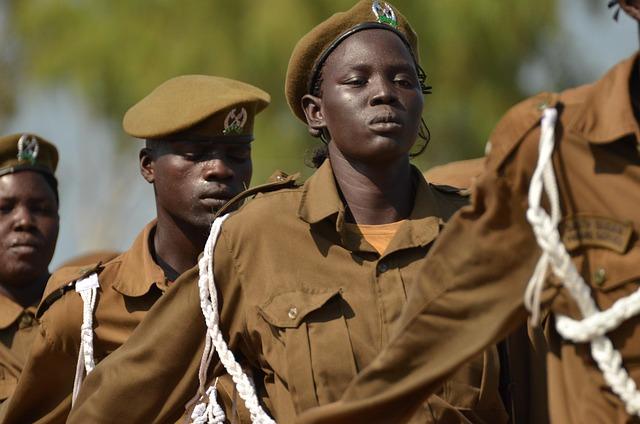
South Sudan: A Global Center for the Duty to protect
In the heart of East Africa lies South Sudan, the world’s youngest nation, which has become emblematic of both the challenges and imperatives of international humanitarian intervention.As gaining independence from Sudan in 2011, South Sudan has faced extreme levels of violence, civil unrest, and humanitarian crises, sparking urgent debates about the global community’s obligation to intervene to protect vulnerable populations. The concept of the Responsibility to Protect (R2P), which emerged in the early 2000s, argues that when a state fails to protect its citizens from genocide, war crimes, ethnic cleansing, and crimes against humanity, the international community has a duty to act. As South Sudan continues to grapple with internal conflict and the resultant suffering of its people, it stands as a critical case study for the effectiveness and challenges of R2P initiatives. This article examines South sudan’s role in the broader context of global responsibility, highlighting both the successes and shortcomings of international efforts aimed at safeguarding human rights and restoring peace in this tumultuous region.
South sudan’s Crisis and the Evolution of the Responsibility to Protect Framework
The crisis in South Sudan, the world’s youngest nation, has starkly illuminated the challenges associated with the responsibility to protect (R2P) principle. Since gaining independence in 2011, South Sudan has been embroiled in conflicts fueled by ethnic tensions, power struggles, and economic instability, leading to widespread violence and humanitarian disasters. Over seven million people, approximately half the population, are facing acute food insecurity, and the ongoing violence has resulted in severe human rights violations, including war crimes and crimes against humanity. The international community’s response has often been criticized for its ineffectiveness, as diplomatic efforts have largely fallen short in halting the violence or providing adequate support to the millions suffering in the ongoing conflict.
In response to these challenges, the evolution of the R2P framework has become increasingly relevant. Initially established to prevent genocide, war crimes, ethnic cleansing, and crimes against humanity, R2P now encompasses a broader range of protective measures aimed at civilian populations. As it pertains to South Sudan, the international community must revisit and reinforce its commitment to R2P by considering a multi-faceted approach that includes:
- Enhanced Diplomatic Engagement: Promoting dialog among conflicting parties and fostering reconciliation initiatives.
- Humanitarian Aid: Ensuring unhindered access to aid for affected communities and addressing the root causes of hunger and displacement.
- Robust Peacekeeping Missions: Deploying well-resourced international forces to protect civilians and support local security efforts.
| Actions | Impact |
|---|---|
| Increased Sanctions | Pressure on government and militia leaders to cease hostilities |
| International Criminal Justice | Accountability for perpetrators of violence |
| Community Resilience programs | Empowering local populations to rebuild and stabilize |
Aligning these strategies with the commitments under R2P will not only protect civilians in South Sudan but also strengthen the global framework for protecting human rights universally.
Addressing Human rights Violations: Strategies for International Engagement in South Sudan
In recent years, South Sudan has faced an alarming escalation of human rights violations attributed to ongoing conflict and political instability. International engagement is crucial in addressing these violations and promoting accountability. Initiatives can include enhancing diplomatic pressures, deploying targeted sanctions against individuals responsible for atrocities, and supporting local human rights organizations that document abuses. Establishing a robust human rights monitoring mechanism, supported by the international community, can also serve as a deterrent against ongoing violations. Furthermore, encouraging regional cooperation through organizations like the African Union could amplify the voice of civil society and push for reforms in governance to ensure the protection of human rights.
To effectively combat human rights abuses in South Sudan, a multi-faceted approach is required. This can include:
- Advocacy for Inclusive Peace Agreements: Ensuring that peace negotiations include human rights considerations.
- capacity Building: Providing training for local law enforcement and judicial bodies on human rights standards.
- Public awareness Campaigns: Promoting community understanding of human rights through education and media engagement.
Additionally, creating a Human Rights Fund to finance local NGOs dedicated to monitoring and reporting violations could foster a culture of accountability. Below is a table outlining potential sources of international support for such initiatives:
| Source | Type of Support |
|---|---|
| United Nations | Funding & Expertise |
| European Union | Sanctions & Diplomatic Pressure |
| Human Rights Watch | Monitoring & Reporting |
| Open society Foundations | Project Grants |
Strengthening Local capacity: Recommendations for Empowering Civil society in South Sudan
Building a vibrant civil society in South Sudan is essential for fostering sustainable advancement and promoting democratic governance. To achieve this, initiatives must focus on enhancing local skills and resources. Key recommendations include:
- Capacity Building Programs: Implement training workshops and seminars to equip local organizations with essential skills in advocacy, project management, and financial literacy.
- Networking Opportunities: Facilitate platforms for civil society groups to connect, share resources, and collaborate on common issues, thereby strengthening collective impact.
- Access to Funding: Establish local grant mechanisms and partnerships that prioritize the funding of grassroots organizations to enable them to pursue their missions effectively.
Moreover, promoting an inclusive approach to civil society empowerment is critical.engaging diverse community segments, including women and youth, ensures that voices from all walks of life contribute to the discourse. Consider the following steps:
- Community Engagement Initiatives: Design and implement programs that actively involve marginalized populations in decision-making processes.
- Mentorship Schemes: Pair experienced leaders with emerging activists to foster knowledge transfer and leadership skills development.
- Public Awareness Campaigns: Launch campaigns to raise awareness about the importance of civil society roles in governance and community resilience.
In Summary
the situation in south Sudan remains a critical area of concern for the international community, underscoring the importance of the Global Centre for the Responsibility to Protect (R2P). As the nation grapples with ongoing violence, political instability, and humanitarian crises, the principles of R2P serve as a vital framework for addressing these challenges.Through effective advocacy, collaboration, and a commitment to safeguarding human rights, the global community has the opportunity to play a pivotal role in not only protecting the citizens of South Sudan but also in fostering a path towards lasting peace and stability.
To move forward, it is essential that both national leaders and international stakeholders prioritize dialogue and accountability, ensuring that the lessons of past conflicts are learned and applied. The commitment to R2P is not merely a theoretical concept but a call to action, requiring sustained efforts to engage, support, and empower the people of South Sudan.as we look ahead, the urgency for a concerted global response has never been more pronounced, reinforcing the belief that through collective responsibility, we can help usher in a brighter future for this young nation.










