South Africa Named World’s Best nature and Wildlife Destination
In a remarkable recognition of its unparalleled biodiversity and stunning landscapes, South Africa has been crowned the world’s best nature and wildlife destination by Bizcommunity. This accolade highlights the country’s rich tapestry of ecosystems, ranging from the iconic savannas of Kruger National Park to the breathtaking coastal regions of the Cape Peninsula. As global travel trends increasingly favor lasting and nature-centric experiences, South Africa stands out as a beacon for ecotourism, attracting visitors eager to explore its vibrant wildlife and pristine environments. This article delves into what makes South Africa a top choice for nature enthusiasts and examines the implications of this prestigious title for the country’s tourism industry.
South Africa’s Diverse Ecosystems Garner Global Recognition
South Africa is increasingly being recognized on the global stage for its remarkable array of natural environments, boasting a remarkable diversity of flora and fauna that draws nature enthusiasts from around the world. The country’s unique ecosystems range from the arid deserts of the Karoo to the lush coastal forests of the Garden Route, each offering distinct wildlife experiences. This rich biodiversity plays a crucial role in ecotourism, augmenting local economies while also promoting conservation efforts aimed at protecting these invaluable habitats.
As the world’s attention focuses on sustainability, South africa’s commitment to preserving its natural heritage shines through. Key highlights of the nation’s ecological treasures include:
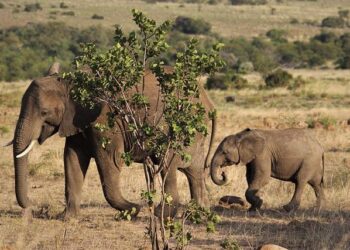
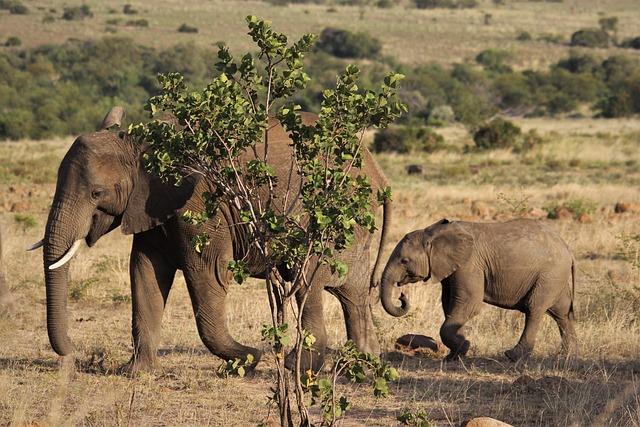
- The Big Five: Iconic species such as lions, elephants, buffaloes, leopards, and rhinoceroses, which attract millions of safaris annually.
- Unique Marine Life: Coastal ecosystems teeming with seal colonies,dolphins,and the migrating southern right whales along the shoreline.
- Floral Kingdoms: The Cape floral Region, recognized as a UNESCO World Heritage site, is a hotspot for plant diversity and endemism.
- Rich Birdlife: Home to over 900 bird species, South Africa is a paradise for birdwatchers with opportunities to spot rare and migratory species.
Unique Wildlife Experiences That Set South africa Apart
south Africa’s diverse ecosystems and protected reserves offer an unparalleled opportunity for wildlife enthusiasts to engage with nature in ways that are simply not found anywhere else. Visitors can embark on thrilling game drives across iconic parks like Kruger,where the Big Five-lions,elephants,buffalo,leopards,and rhinoceros-roam freely. Notably, the chance to experience a wildlife safari from the back of an elephant or a horseback ride through the plains adds an element of adventure that highlights the unique relationship between humans and animals.
Moreover, South Africa’s commitment to conservation shines through in its innovative wildlife experiences. Tourists can participate in tracking and monitoring programs, gaining firsthand insights into animal behavior and conservation efforts. Alternatively,the opportunity to witness the Great Migration of wildebeest in the Kalahari or the seasonal sardine run along the Wild Coast exemplifies the country’s ability to surprise and inspire. Visitors may also take part in ethical volunteer programs that ensure their engagement contributes positively to wildlife preservation, fostering a deeper connection with the land and its inhabitants.
Exploring Sustainable Tourism Practices in South Africa’s Natural Landscapes
South Africa’s unmatched biodiversity and striking vistas have positioned the country as a leader in promoting sustainable tourism. As travelers become more conscientious about their ecological footprints, South Africa showcases a myriad of practices designed to preserve its unique landscapes while supporting local communities. Tour operators and lodges are increasingly adopting eco-pleasant measures that not only safeguard wildlife but also enrich the visitor experience. Highlights include:
- Community-Based Tourism: Collaborations with local communities ensure that tourism benefits the people who live in these ecosystems, promoting cultural exchange and supporting livelihoods.
- Conservation Initiatives: Many safari operators are actively involved in wildlife conservation, contributing to efforts to protect endangered species through sustainable practices.
- Minimal Impact Lodging: Eco-lodges designed with sustainable building materials and practices offer a comfortable yet environmentally responsible stay.
- Education and Awareness: Tours often include educational components aimed at raising awareness about the importance of conservation and responsible tourism.
The natural landscapes of South Africa are not merely backdrops for adventure; they are thriving ecosystems that require careful stewardship. By integrating sustainable tourism practices, the industry aims to create a balance where economic benefits are enjoyed without compromising the integrity of the environment. This responsible approach attracts travelers seeking more than just picturesque scenery; they look for meaningful connections with nature and the communities that protect it. As South Africa continues to evolve as a premier destination for nature lovers, the emphasis on sustainability ensures its precious wildlife and landscapes will be preserved for generations to come.
In Summary
South Africa’s recognition as the world’s best nature and wildlife destination underscores its unique biodiversity and commitment to conservation. The country not only boasts iconic national parks and reserves teeming with a variety of species, but it also offers unparalleled experiences that connect visitors with the natural environment. As travelers increasingly seek sustainable and immersive wildlife encounters, south Africa stands out as a premier choice, blending rich cultural heritage with its stunning landscapes. This accolade highlights the critical importance of preserving these natural treasures for future generations while promoting responsible tourism practices. As we look ahead, continued investment in conservation and wildlife protection will be essential to maintain this status and ensure that South Africa remains a leader in nature tourism worldwide.